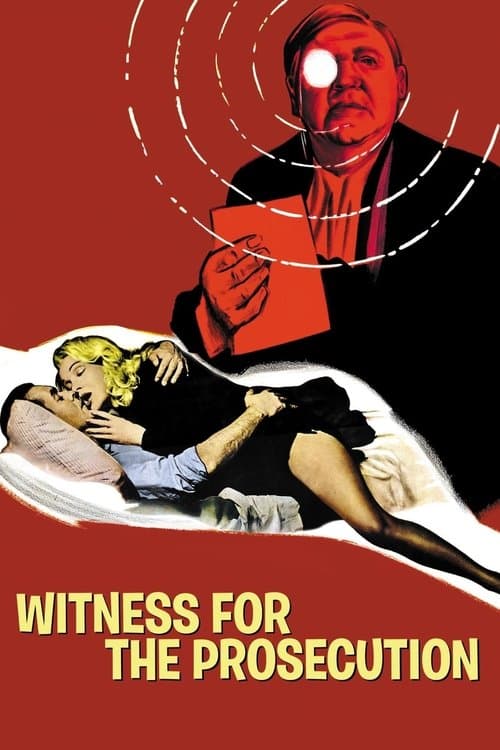
Witness for the Prosecution
Billy Wilder · 1957
A brilliant but ailing barrister takes on the seemingly hopeless case of a man accused of murdering a wealthy widow — and faces his most formidable adversary in the defendant's own wife. Wilder's most perfectly constructed thriller.
Techniques Used
3 techniques identified in this film
Legal Theater
NarrativeUsing the courtroom as a theatrical stage — where performance, rhetoric, and the rules of procedure create a formal drama separate from the truth of events.
How this film uses it
Wilder stages the trial as pure performance: Robarts's theatrical gestures, Christine's devastating testimony, the prosecution's escalating confidence. The courtroom's formal rules — who may speak, when, to whom — create a game with its own logic. The film understands that trials are not about truth; they are about which performance is most convincing.
Frame Narrative as Trap
NarrativeA framing structure that is itself a deception — a narrative presented as the container for the story that turns out to be part of the story, the frame collapsing into the content.
How this film uses it
The film's entire structure — the trial, the evidence, the witnesses — is the trap. What appears to be the narrative frame (Leonard's innocence, Christine's treachery) is itself a constructed performance for Robarts's benefit. The final revelation collapses the frame: we were inside the trap the whole time, watching a play within a play.
Expectation Collapse
NarrativeA film that uses genre conventions to build audience expectations and then systematically refuses to fulfill them — the collapse being the film's meaning rather than a flaw.
How this film uses it
Wilder constructs a perfect courtroom thriller with all its expected satisfactions — the brilliant barrister, the wrongly accused man, the hostile witness — and then collapses every expectation simultaneously. The verdict is right, the process is wrong, and the truth is different from both. The genre's promised satisfactions are used against the audience.
You Might Also Like
Films that share at least one technique with Witness for the Prosecution
Ailing barrister Sir Wilfrid Robarts takes the seemingly unwinnable case of Leonard Vole, accused of murdering a wealthy widow — only for the testimony of Vole's wife Christine to become the trial's most dangerous variable. Billy Wilder's most perfectly constructed trap, a courtroom film that treats every verdict as a new beginning.
Witness for the Prosecution
Billy Wilder · 1957
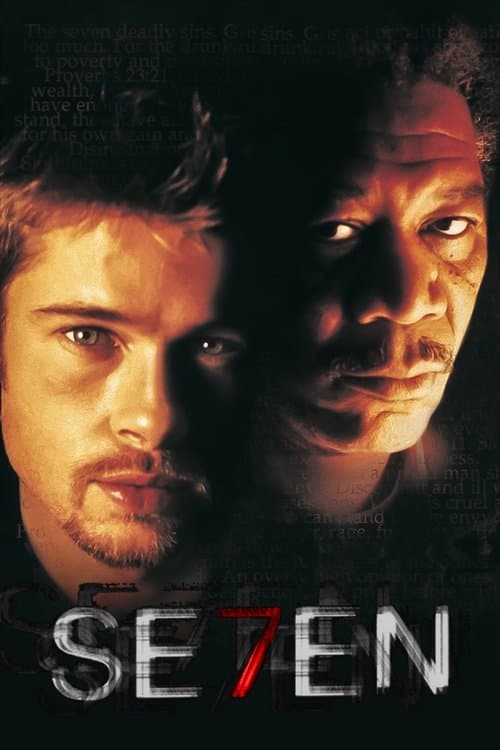
Two detectives — one cynical and days from retirement, one young and idealistic — hunt a serial killer who uses the seven deadly sins as a blueprint in a city of perpetual rain and moral rot. A film about the futility of justice in a world that has already lost.
Se7en
David Fincher · 1995
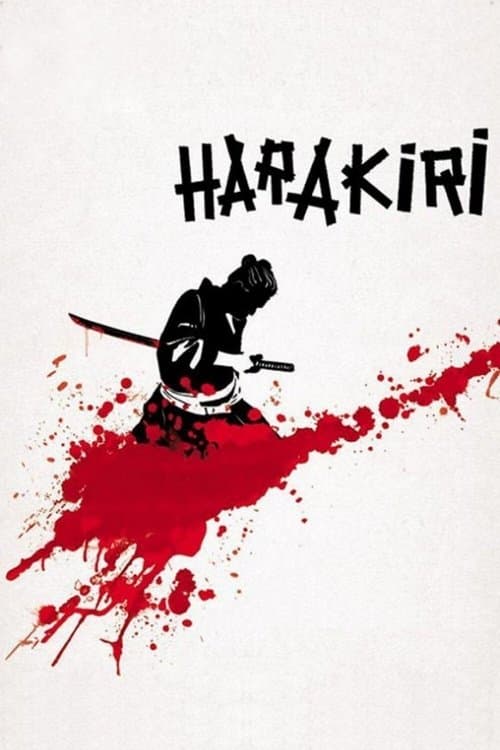
A destitute samurai arrives at a feudal lord's estate requesting permission to commit ritual suicide, but begins telling a devastating story that systematically dismantles the clan's mythology of honor from within. A film about institutional hypocrisy and the violence concealed beneath codes of duty.
Harakiri
Masaki Kobayashi · 1962