Looking like a newsreel
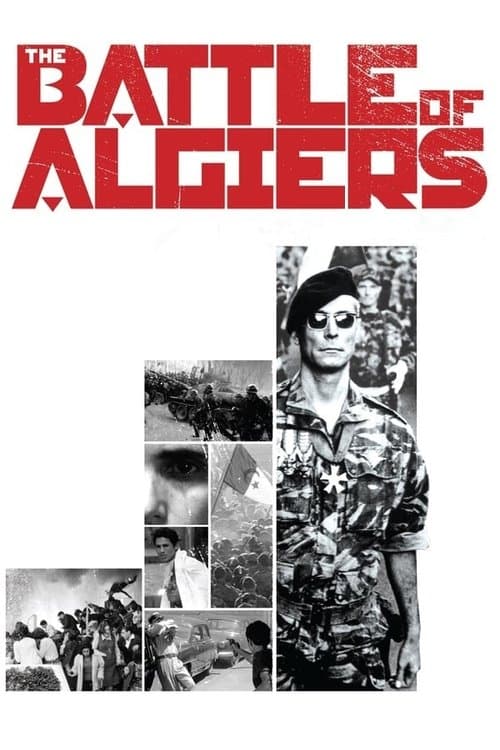
The Battle of Algiers (1966) was shot handheld on high-contrast black-and-white film, the kind you'd see in newsreels. It looked so much like a documentary that distributors had to add a title card saying no archive footage had been used. In the bomb-planting scenes, the camera moves through the Casbah like a news crew traveling with the FLN, and it's hard to tell what's staged.
Out on real streets
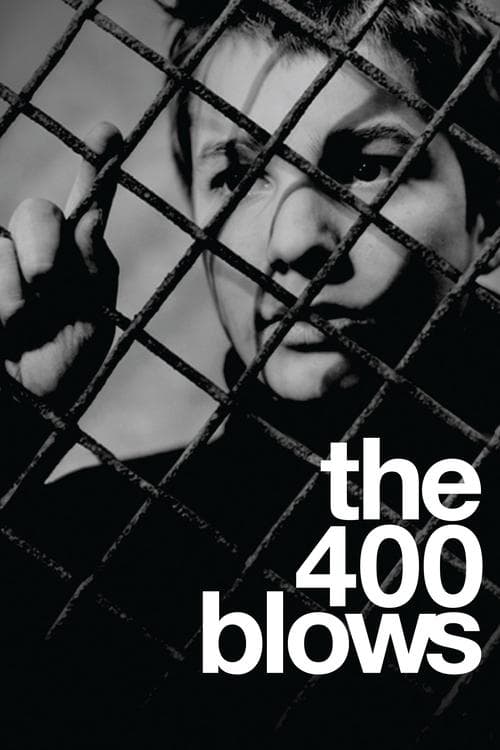
The 400 Blows (1959) took handheld cameras onto the streets of Paris. For the French New Wave, that was a way of breaking free of studio filmmaking. When Antoine moves through the city, the camera keeps pace with him, and 1950s Paris feels close and physical. The handheld look ties his story to a real place you could walk through.
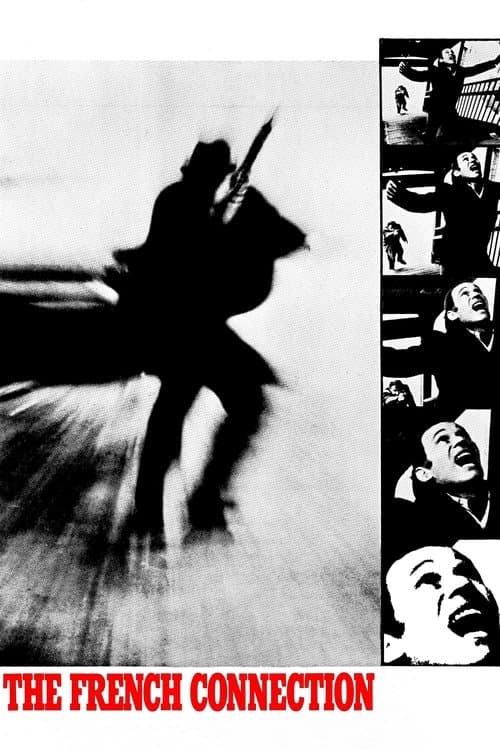
The French Connection (1971) does the same in New York. The camera is unsteady and the light is unglamorous, much like the city. In the stakeout scenes, the camera watches Doyle while Doyle watches the smugglers. The investigation plays like journalism happening in real time.
Shaking with the danger
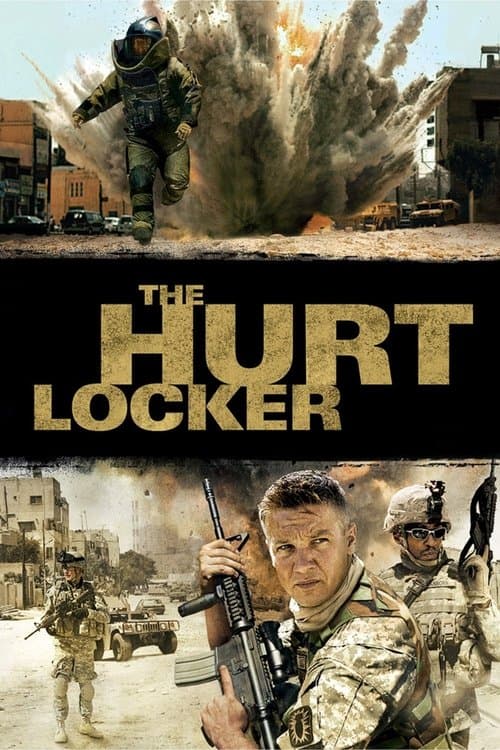
The Hurt Locker (2008) sometimes ran 4 handheld cameras at once during the bomb disposal scenes, mostly at ground level. You never get a neat, safe composition. In the opening sequence with Sergeant Thompson, the frame can barely keep up.
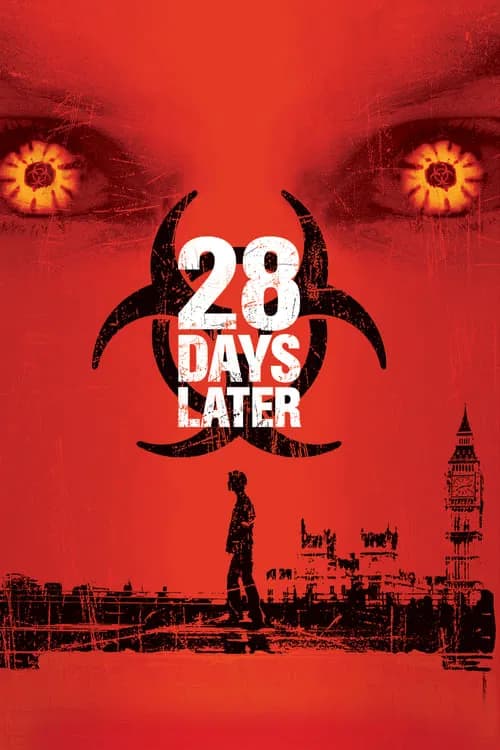
28 Days Later (2002) was shot on digital video, which was a radical choice for a cinema release at the time. The rough digital image makes empty London look like it was really recorded. The grain gives the whole film the feel of evidence.
Glued to one person
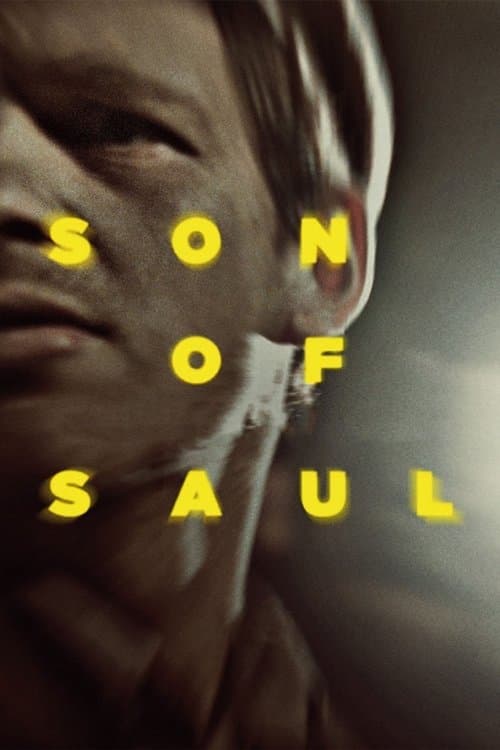
Son of Saul (2015) keeps the handheld camera physically close to Saul the whole time. When his body moves, the camera moves. As he walks through the undressing room, the crowd jostles the camera and it stays with him. You never get to step outside his physical experience.
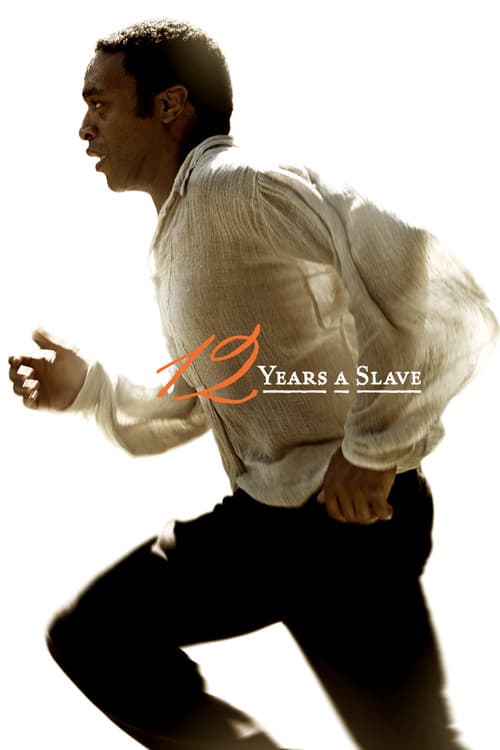
12 Years a Slave (2013) also keeps the camera very close to its lead. During Solomon's transportation, the frame stays tight on his face and body. The camera stays near enough to pick up what he's going through physically, and you feel how confined and disoriented he is.
The Florida Project (2017) goes handheld at child height. The camera follows Moonee and never tries to organize what she does, and you never get an adult's overview from above. When the kids run through the abandoned condos, the camera can't see around the next corner any sooner than they can.

Eavesdropping on a family
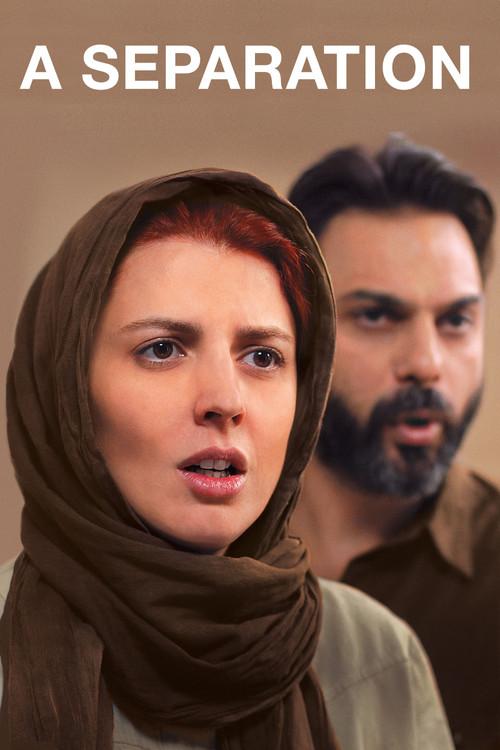
A Separation (2011) uses handheld for quieter reasons. The camera moves with people through doorways, follows arguments around corners and presses in during confrontations. You feel like you're overhearing a family you shouldn't be listening to. The argument in the stairwell is the one to watch, since the tight space and the moving camera make it feel like documentary footage.
Documentary style as a joke
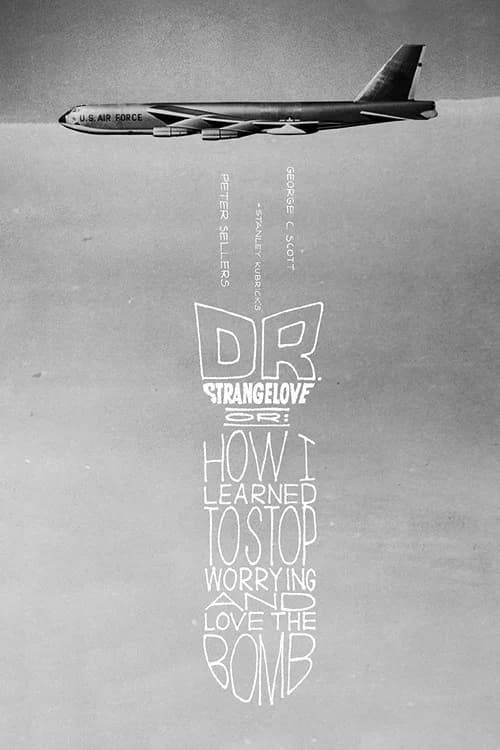
Dr. Strangelove (1964) uses the style for satire. The B-52 scenes are shot almost like a documentary, handheld and in what looks like natural light. The War Room is theatrical and stylized. The pilots look completely real as they calmly work through the steps to end the world, and the politicians look like they're in a farce. Each half makes the other funnier.
How to use this when you watch
Next time a camera shakes, ask who it's pretending to be. It might be acting like a news crew. It might be acting like someone standing right next to the main character. The answer tells you how close the film wants you to get, and how much it wants you to believe what you're seeing.
More guides
- Film Noir Lighting Explained: 8 Films That Nail It
- How Directors Build Suspense: 8 Films That Show You How
- Unreliable Narrator Movies Explained: 9 Films That Fool You
- Non-Linear Movies Explained: 8 Films Told Out of Order
- Long Takes and Oners Explained: 9 Famous One-Shot Scenes
- How Color Tells the Story: 9 Films With Meaningful Palettes