Adventure · Family · Drama

Hugo

Martin Scorsese, 2011

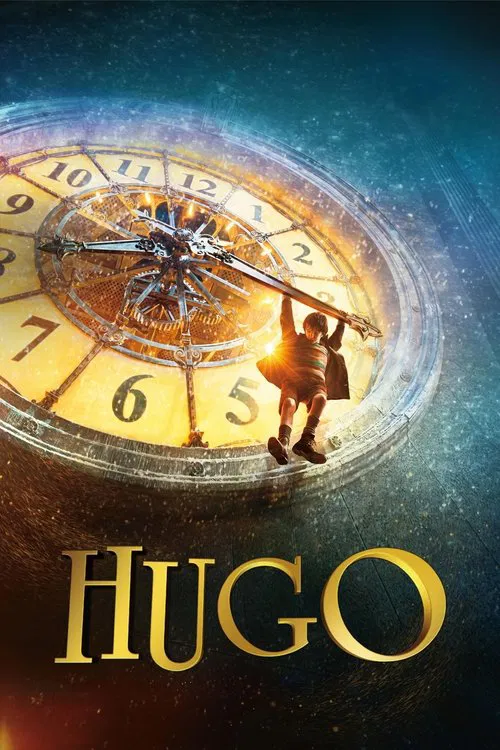
An orphan boy living inside a Paris train station in 1931 tries to fix a broken mechanical man left by his father. The quest leads him to Georges Méliès, a forgotten film pioneer. Scorsese's first 3D film is also a love letter to early cinema. Watch how depth and rebuilt sets bring it back.

Hugo (2011) poster

At a glance

Hugo is a 2011 adventure, family and drama film directed by Martin Scorsese. This breakdown covers 4 techniques (1 narrative, 2 cinematography and 1 psychology), each with the scene where you can see it. If you like how it is made, Nostalgia uses several of the same techniques.

Narrative

Symbolic Object

Returning to the same physical object again and again until it means more than what it is. It moves the plot and also stands for the film's main ideas.

How this film uses it

The mechanical man, called an automaton, and the heart-shaped key that starts it keep coming back. They begin as a puzzle for Hugo. Later they become the way Georges Méliès is found again, so the object ties the boy's grief to the old filmmaker's lost work.

Where to see it

The automaton drawing scene. Once Isabelle's key winds it up, the machine draws a scene from A Trip to the Moon and signs it Georges Méliès.
Cinematography

Historical Compositing

Digitally placing a fictional character into real archive footage, or blending actors with rebuilt period sets and backgrounds. It looks as if the character was really there in history.

How this film uses it

Méliès' glass studio was built as a set at Shepperton Studios. Actors then play his crew inside it. The flashbacks look as if the real studio had been filmed in the early 1900s.

Where to see it

The flashback to Méliès making his films. The glass-walled studio, the painted sets and the stage tricks are staged as they were done.

Cinematography

Stereoscopic Depth

Using 3D to layer faces, machinery and space in front of and behind each other. You feel placed inside the world, with objects reaching toward you.

How this film uses it

The film was shot in 3D, and Scorsese said the actors felt more upfront emotionally in it. The station, its gears and its crowds sit in clear layers. The depth makes the clockwork world feel like a place you could step into.

Where to see it

The opening shot. The camera moves from the sky down into the busy train station, and crowds swarm in every direction.

Psychology

Dream Imagery as Inner Life

Staging dreams, fantasies and imagination as literal scenes. The inner mind becomes visible, whether as wish, fear or creative power.

How this film uses it

Hugo dreams that a runaway train smashes through the station, and then that he is turning into the automaton he is trying to fix. The dream shows what the boy fears most, that he is only a machine with nobody to wind him up. You wake when he wakes.

Where to see it

The train crash dream. Hugo chases the key onto the tracks and a train comes through the station. He then hears ticking from his own body.

Questions

Hugo: quick answers

What filmmaking techniques does Hugo use?
CineCode breaks down 4 techniques in Hugo (2011): Symbolic Object, Historical Compositing, Stereoscopic Depth and Dream Imagery as Inner Life.
Who directed Hugo?
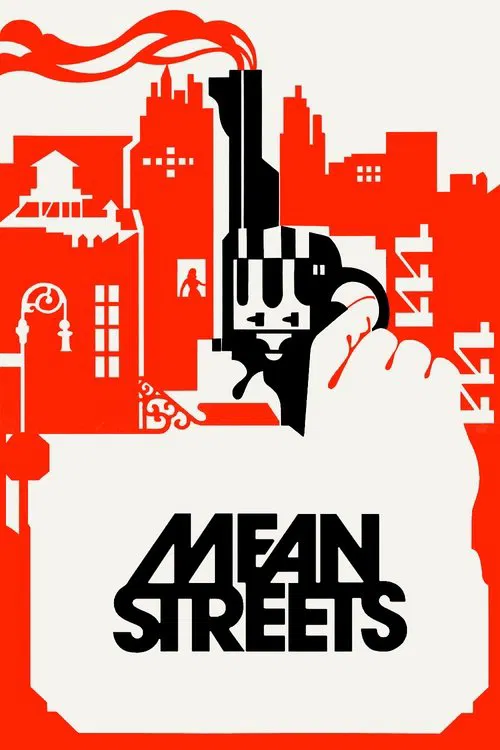
Martin Scorsese directed Hugo, released in 2011. CineCode also covers Mean Streets (1973), Alice Doesn't Live Here Anymore (1974), Taxi Driver (1976), New York, New York (1977), Raging Bull (1980), The King of Comedy (1982).
What films are similar to Hugo?
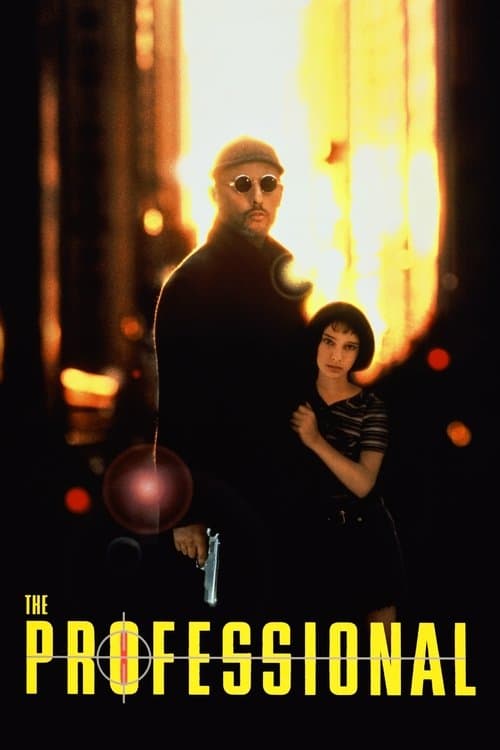
Films that share techniques with Hugo include Nostalgia (1983), The Shawshank Redemption (1994), Forrest Gump (1994), Léon: The Professional (1994).