Narrative technique · used in 20 films

Legal Theater

Staging a trial as a performance, with testimony and cross-examination played like theater. The rules can bring out the truth, or they can hide a verdict that was decided in advance.

Examples

20 films that use it

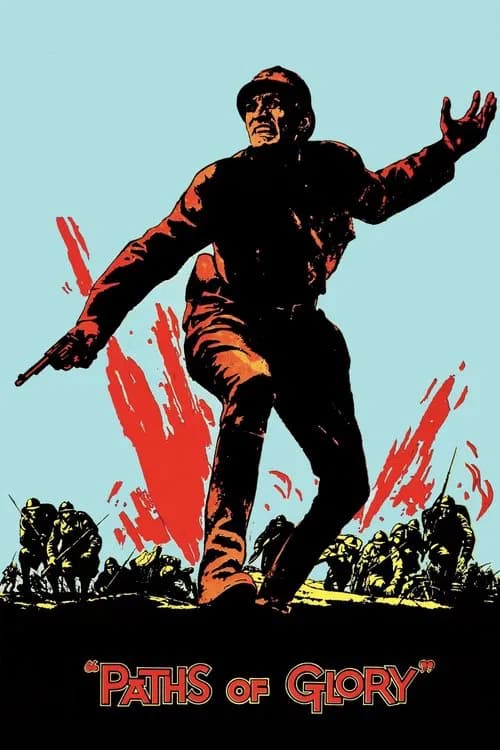
  1. Paths of Glory (1957) poster

    Paths of Glory

    Stanley Kubrick · 1957

    The court martial of the 3 soldiers follows every formal step, with witnesses, arguments and a judge. At the same time, the film makes it absolutely clear that the verdict was decided before the trial began. The ceremony of law puts on a show of justice while doing the opposite.

    Where to see it: The court martial sequence. Formal procedure is used to confirm a decision that was already made.
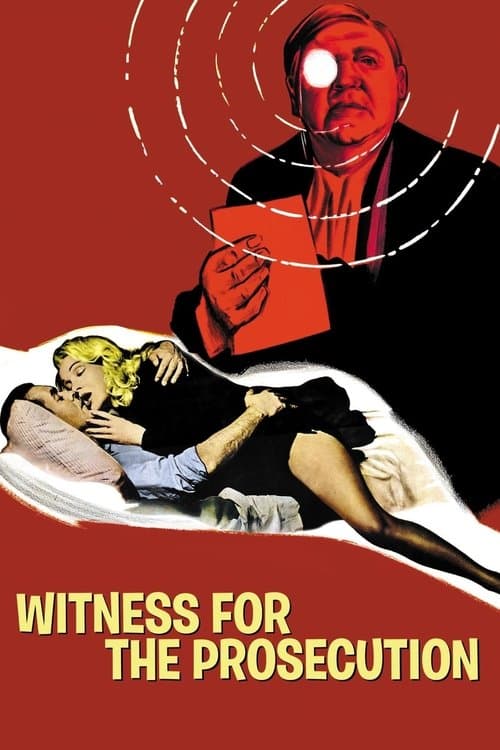
  2. Witness for the Prosecution (1957) poster

    Witness for the Prosecution

    Billy Wilder · 1957

    Wilder stages every courtroom scene like a play inside the film. The witnesses perform their stories, the barristers perform their arguments and the jury plays the audience. In the Old Bailey, whoever gives the better performance decides what counts as the truth.

    Where to see it: Sir Wilfrid's cross-examination of Christine. It's a courtroom duel, and you can't tell where legal procedure ends and showmanship begins.

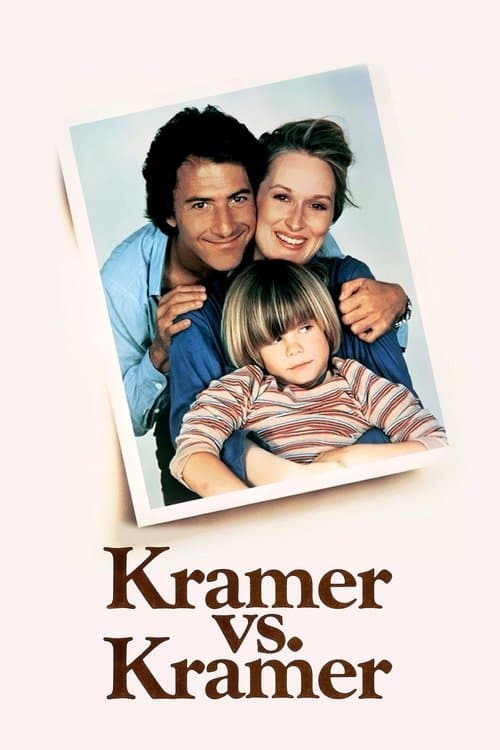
  3. Kramer vs. Kramer (1979) poster

    Kramer vs. Kramer

    Robert Benton · 1979

    The custody trial turns each parent's story into a competing version of events. You have to judge the same facts from 2 opposing moral positions, and the film doesn't declare a winner.

    Where to see it: Ted taking the stand. He says he has proven he can parent as well as Joanna and that taking Billy away could cause irreparable harm. In the courtroom, private life becomes a public argument.

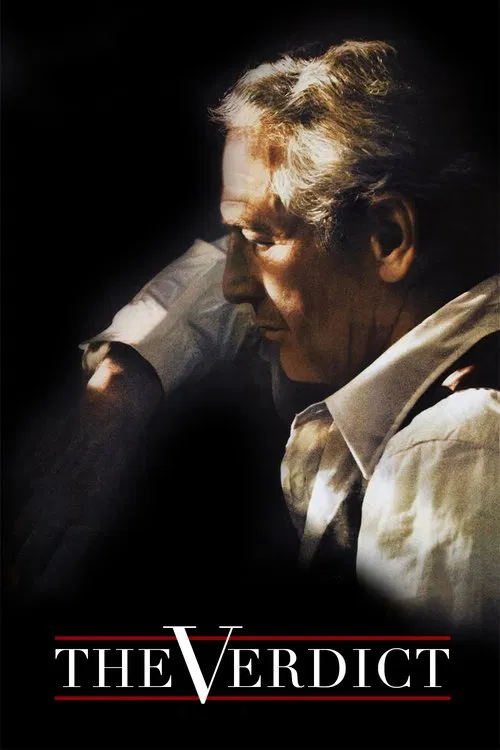
  4. The Verdict (1982) poster

    The Verdict

    Sidney Lumet · 1982

    The trial plays like a stage fight. Galvin's nurse witness gets a key fact into the room, and then the judge rules her testimony out. The rules decide the outcome as much as the truth does.

    Where to see it: Nurse Costello's testimony: She says she was pressured to change an admitting form from 1 to 9 and brought a photocopy. Judge Hoyle later strikes her testimony from the record.

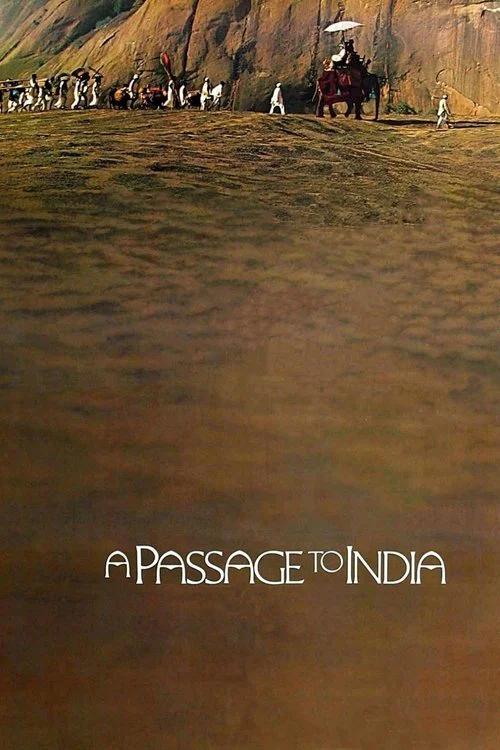
  5. A Passage to India (1984) poster

    A Passage to India

    David Lean · 1984

    The trial turns into a public performance, with the British community and the Indian crowd on opposite sides. The room is more about empire than the crime. The case collapses when Adela admits that Aziz never entered the cave.

    Where to see it: The trial. Adela withdraws her accusation, and Aziz is freed.

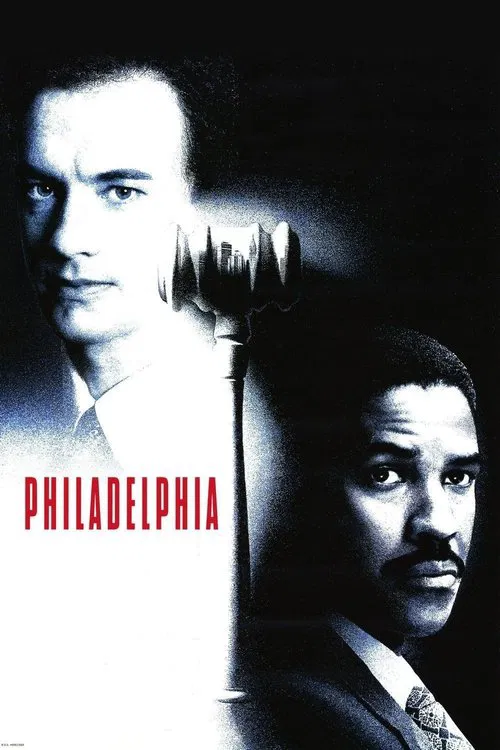
  6. Philadelphia (1993) poster

    Philadelphia

    Jonathan Demme · 1993

    The trial is staged like a play, with each witness giving a different version of the same facts. The firm's partners say Beckett was incompetent and hid his illness, and his lawyer has to show the real reason he was fired. The case is about what the room will admit out loud.

    Where to see it: The witness stand. Miller has Beckett unbutton his shirt to show the lesions on his chest, and the firm's partner Charles Wheeler testifies against him.

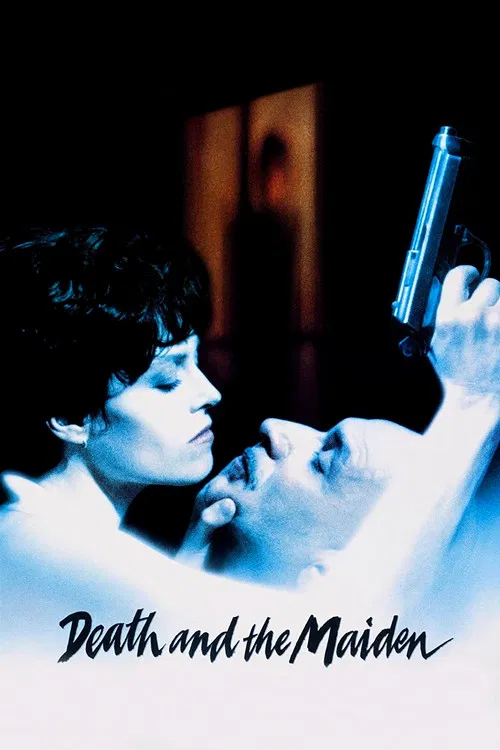
  7. Death and the Maiden (1994) poster

    Death and the Maiden

    Roman Polanski · 1994

    Paulina stages a trial at home and forces her husband Gerardo to act as Miranda's attorney. The talking is theater, with accusations, a false confession and the question of what counts as proof. The film suggests how easily a trial can be bent by the person running it.

    Where to see it: The living room trial: Paulina makes Gerardo act as Miranda's attorney in a trial she arranges. Miranda and Gerardo write a false confession to calm her.

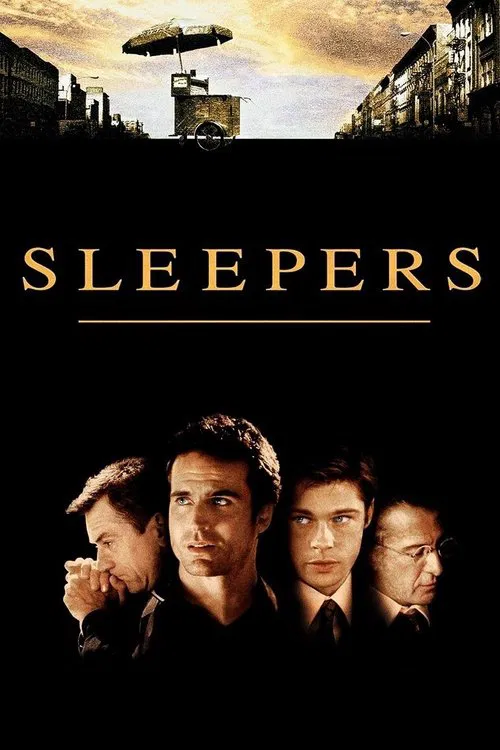
  8. Sleepers (1996) poster

    Sleepers

    Barry Levinson · 1996

    The trial is staged as a game that both sides are rigging. Michael, the prosecutor, is a childhood friend who took the case to expose the guards. A social worker breaks down on the stand, and a priest lies under oath. You watch a court used for a justice the law cannot give.

    Where to see it: The alibi. Father Bobby testifies that John and Tommy were at a Knicks game and produces ticket stubs, and they are acquitted.

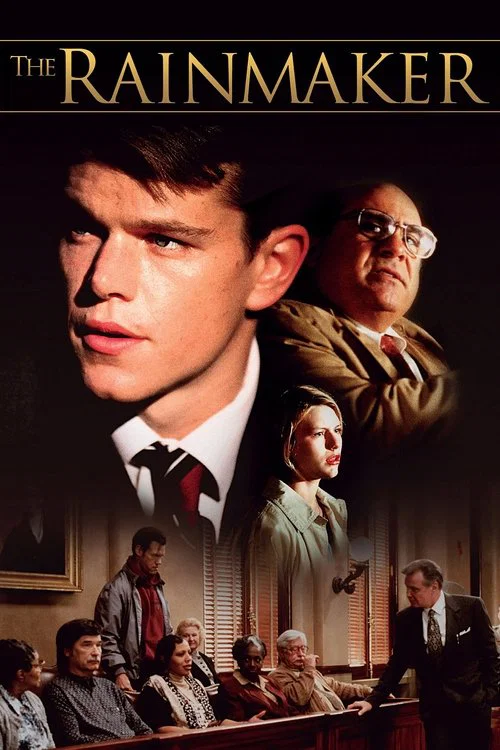
  9. The Rainmaker (1997) poster

    The Rainmaker

    Francis Ford Coppola · 1997

    The trial plays as a performance, with testimony and cross-examination built like a show. Rudy faces the experienced Leo Drummond, who gets key testimony struck because it relied on a stolen manual. The rules of the court decide what you are allowed to hear.

    Where to see it: The trial. Drummond has Jackie Lemanczyk's testimony struck, and Rudy gets it back with help from Bruiser, a fugitive in the Caribbean.

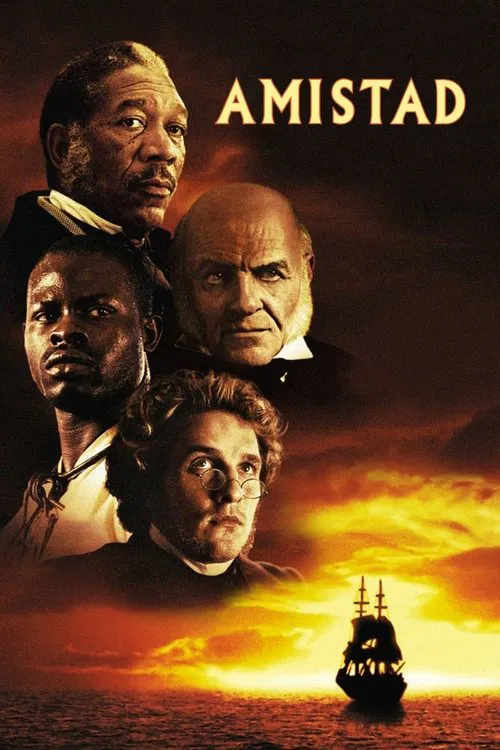
  10. Amistad (1997) poster

    Amistad

    Steven Spielberg · 1997

    The court scenes treat each witness as a performance with an audience. Lawyers argue about whether these people are property or human beings. The film suggests the law can reach the truth, but only if someone tells the story well.

    Where to see it: The Supreme Court argument: John Quincy Adams stands before the justices and argues the Africans are people with the right to fight for their freedom.

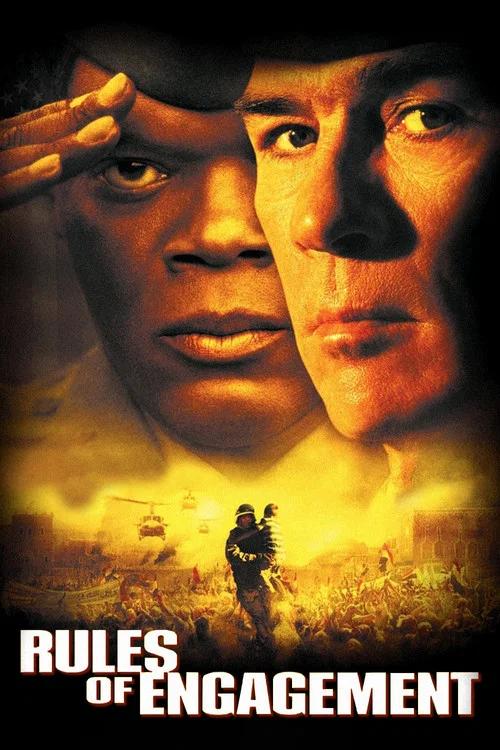
  11. Rules of Engagement (2000) poster

    Rules of Engagement

    William Friedkin · 2000

    The trial is built as a face-off. Hodges brings a shipping manifest to show a security tape reached the National Security Advisor's office and vanished. On the stand, Childers admits under cross-examination that he gave the order to fire.

    Where to see it: The court-martial testimony. Childers is cross-examined and admits he ordered the shooting, while Colonel Cao also testifies about the execution in Vietnam.

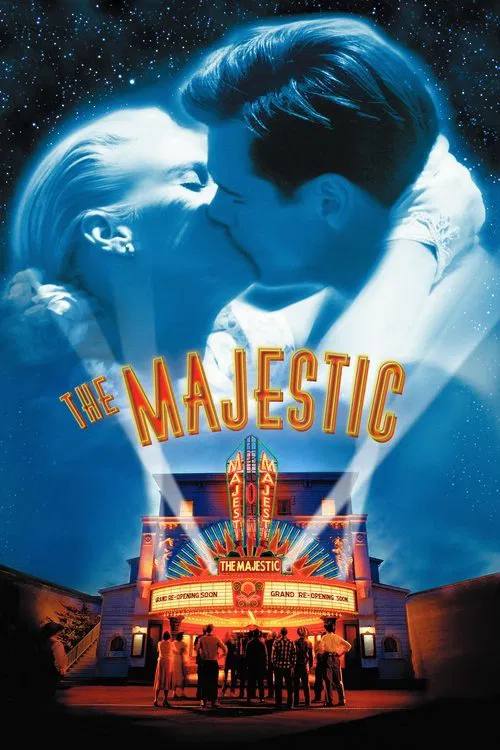
  12. The Majestic (2001) poster

    The Majestic

    Frank Darabont · 2001

    Peter is called before a congressional committee that expects him to name names. He turns the hearing into a speech about free speech. The room becomes a stage for his change of heart.

    Where to see it: The hearing. Peter reads the First Amendment while holding Luke's Medal of Honor.

  13. Intolerable Cruelty (2003) poster

    Intolerable Cruelty

    Joel Coen, Ethan Coen · 2003

    The courtroom works like a stage. Marylin pretends to break down over her husband's cheating, and then Miles calls a Swiss concierge named Puffy who reveals she asked him to find a rich fool. The trial is a show where the best performance wins.

    Where to see it: Marylin's divorce hearing. She says she loved Rex at first sight, and Puffy testifies about how she hunted for a wealthy mark.

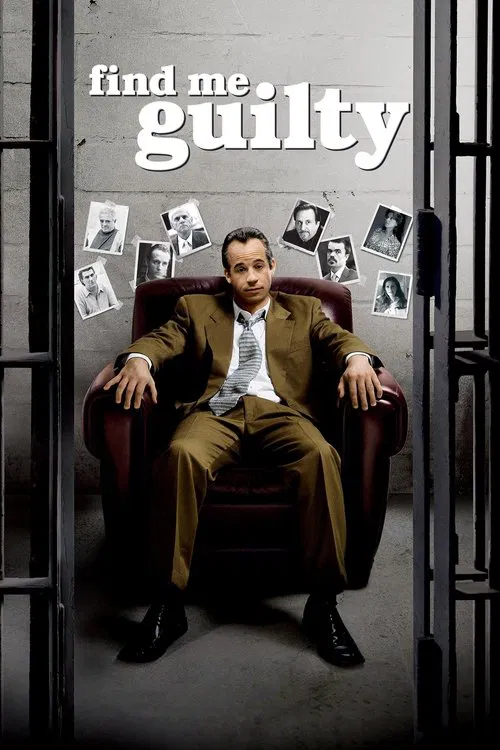
  14. Find Me Guilty (2006) poster

    Find Me Guilty

    Sidney Lumet · 2006

    Jackie plays to the jury, and the trial becomes a stage for his charm. The cross-examination of his cousin is part comedy and part family wound.

    Where to see it: The cross-examination of Tony: Klandis uses Tony's drug use to discredit him, and Jackie then asks Tony why he betrayed his love for him.

  15. A Separation (2011) poster

    A Separation

    Asghar Farhadi · 2011

    The courtroom and the magistrate's office are where the film does its thinking. Every time a character testifies, the scene is about how truth and need relate. You see what people are willing to say, what they believe and the gap between those 2 things.

    Where to see it: The repeated magistrate hearings. Different witnesses retell the same events, and the legal process turns the truth into a negotiation.

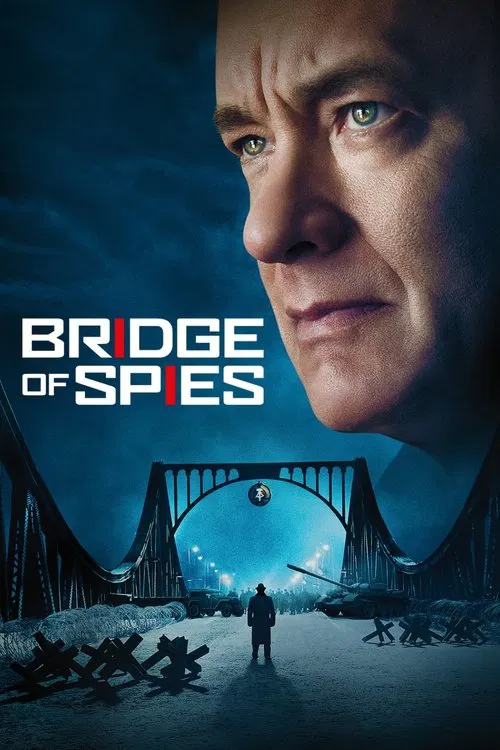
  16. Bridge of Spies (2015) poster

    Bridge of Spies

    Steven Spielberg · 2015

    Donovan argues a case nobody wants him to win. The judge and public have already decided. He argues that even an accused enemy deserves a real defense.

    Where to see it: The Supreme Court argument: Donovan tells the justices that Abel's ciphers and photography equipment were seized without a search warrant.

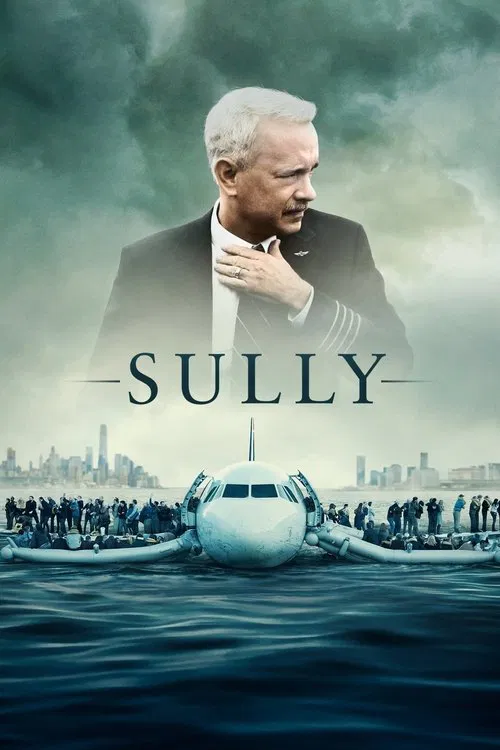
  17. Sully (2016) poster

    Sully

    Clint Eastwood · 2016

    The investigation plays like a duel. Sully argues that the simulations ignore human factors like surprise and the time needed to decide. The final hearing turns data and a cockpit recording into drama.

    Where to see it: Hearing: Sully says the simulations are unrealistic because the pilots knew the situation in advance. The NTSB then reruns them with a pause, and after the cockpit voice recording is heard, the recovered left engine confirms his account.

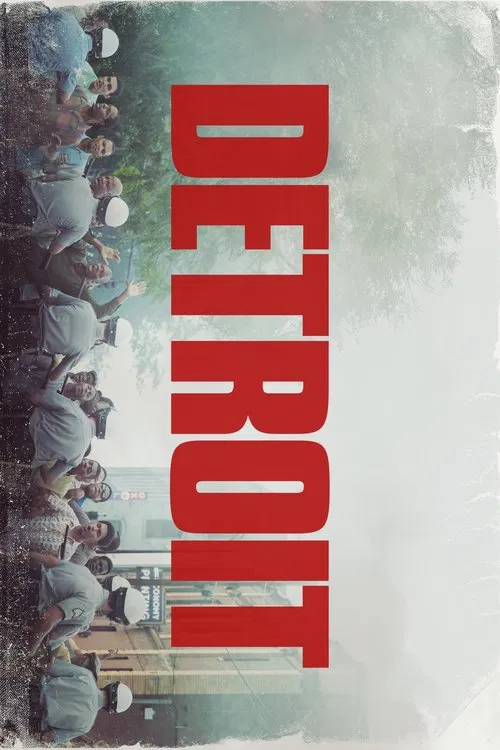
  18. Detroit (2017) poster

    Detroit

    Kathryn Bigelow · 2017

    The trial is a performance too. The survivors' testimony is picked apart by the defense, and the judge finds the officers' statements inadmissible because they were not advised of their rights. The rules of court decide the outcome before the truth does.

    Where to see it: The trial two years later: The defense attorney attacks the survivors' testimony, and the judge excludes the officers' statements.

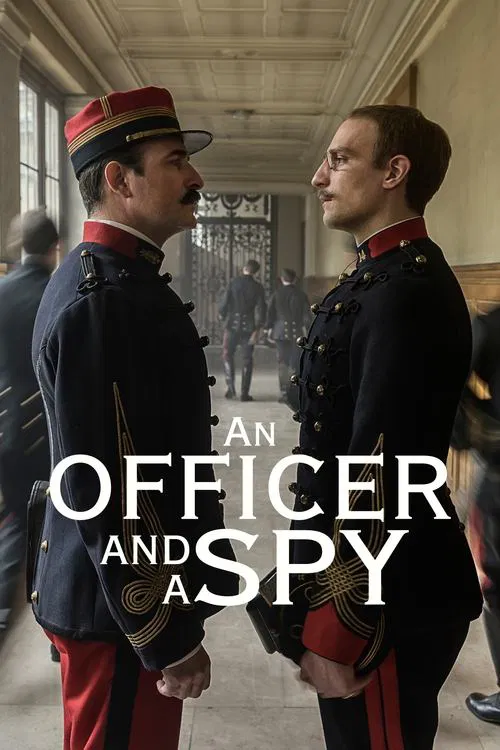
  19. An Officer and a Spy (2019) poster

    An Officer and a Spy

    Roman Polanski · 2019

    The trials play like theater. Witnesses say what the army needs them to say, and the rules fail to protect the truth. You watch the verdict seem to be decided before the evidence.

    Where to see it: Zola's trial: After Zola publishes J'Accuse, he is tried for defamation. Soldiers called as witnesses make false statements, and he is sentenced to one year in prison.

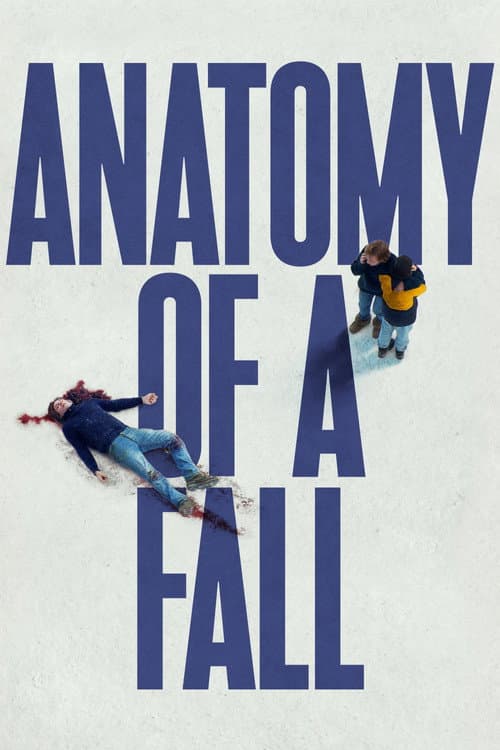
  20. Anatomy of a Fall (2023) poster

    Anatomy of a Fall

    Justine Triet · 2023

    Triet uses the trial to take apart the institution of marriage, and solving the murder is fairly secondary. Each testimony and cross-examination gives a different reading of the same relationship. The courtroom is a machine for producing competing stories.

    Where to see it: The audio recording of the couple's argument, played in court. The prosecution and the defense hear the same sounds as evidence of 2 entirely different marriages.

Questions

Quick answers

What is legal theater in film?
Staging a trial as a performance, with testimony and cross-examination played like theater. The rules can bring out the truth, or they can hide a verdict that was decided in advance.
Which films use legal theater?
Paths of Glory (1957), Witness for the Prosecution (1957), Kramer vs. Kramer (1979), The Verdict (1982), A Passage to India (1984), Philadelphia (1993) and 14 more films in the CineCode library.
What kind of technique is legal theater?
It is a narrative technique. Related narrative techniques include The Long Reveal, Earned Catharsis.