The cliffhanger that made people wait three years
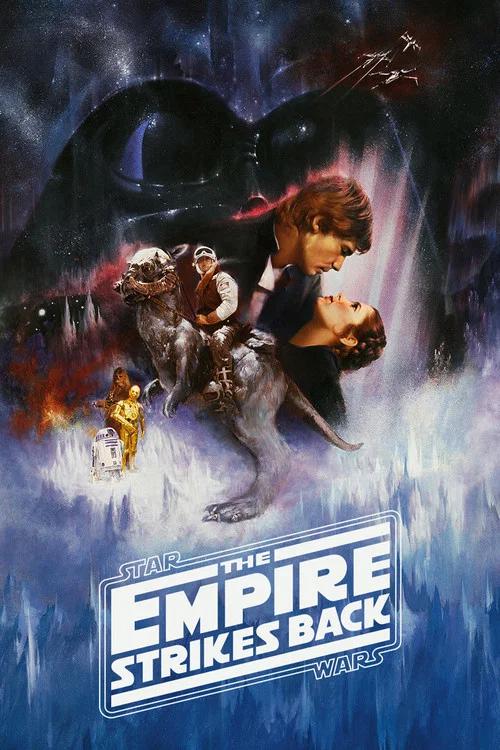
The Empire Strikes Back (1980) ends with almost nothing settled. Han Solo is frozen in carbonite and carried off by Boba Fett. Luke has lost his hand and just heard Vader say he is his father. The last shot is Luke and Leia watching the Millennium Falcon fly away to chase after Han.
Audiences had to wait until 1983 for Return of the Jedi, and people argued about whether Vader was telling the truth the whole time. The film hands you a big question and then stops, and that open loop does a lot of the work of keeping a franchise alive.
The box you never see inside
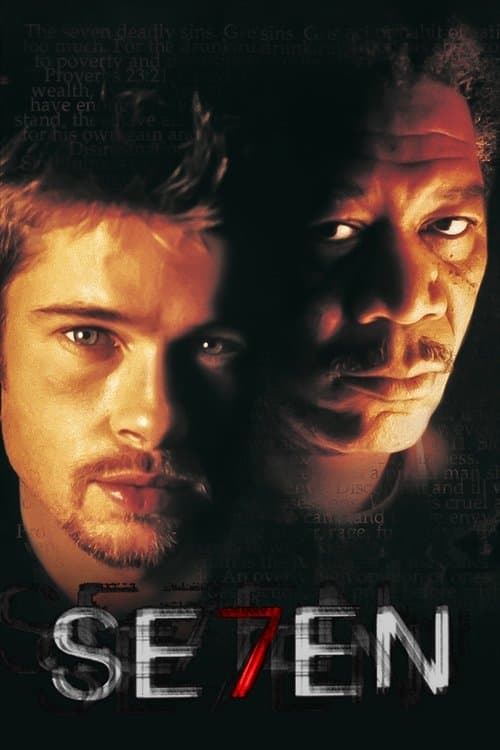
In Se7en (1995), the murders of the first five sins are shown through their aftermath. Detectives Somerset and Mills walk into the crime scenes after the killer has left. The film holds back the act itself every time, and you keep trying to rebuild what happened from the evidence.
The finale in the desert works the same way. John Doe tells Mills what is in the box and the camera never opens it. You only see Mills's face as he works it out. Your mind fills the gap with something worse than a prop could show, and "What's in the box?" became one of the most repeated lines of the 1990s.
A story that stops mid-sentence
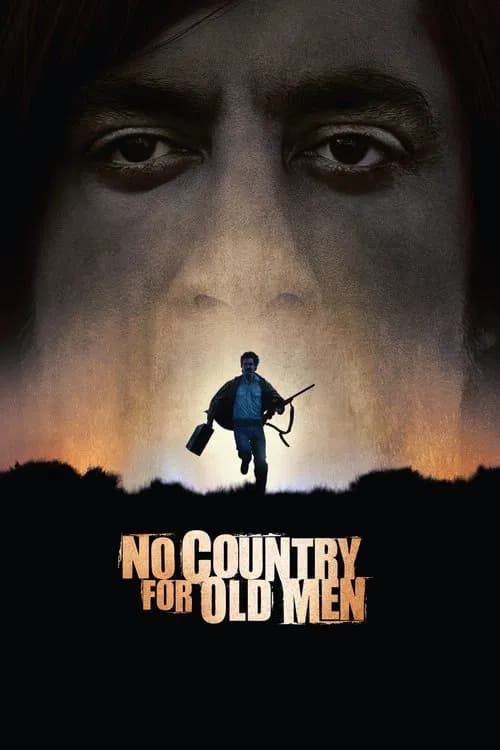
No Country for Old Men (2007) refuses to give you the scenes a thriller usually saves for the end. Llewelyn Moss is killed off screen, and the film cuts to his body afterward. Later, Chigurh visits Carla Jean and the camera stays outside, then shows him checking the soles of his boots. The showdown you were promised never arrives.
The last scene is Sheriff Bell at a kitchen table telling his wife about a dream, and the film cuts to black just as he finishes. Anton Chigurh is still out there after a car crash that he simply walks away from. Many viewers leave the theater annoyed and still thinking about it days later, which is the effect at work.
Two endings left hanging at once
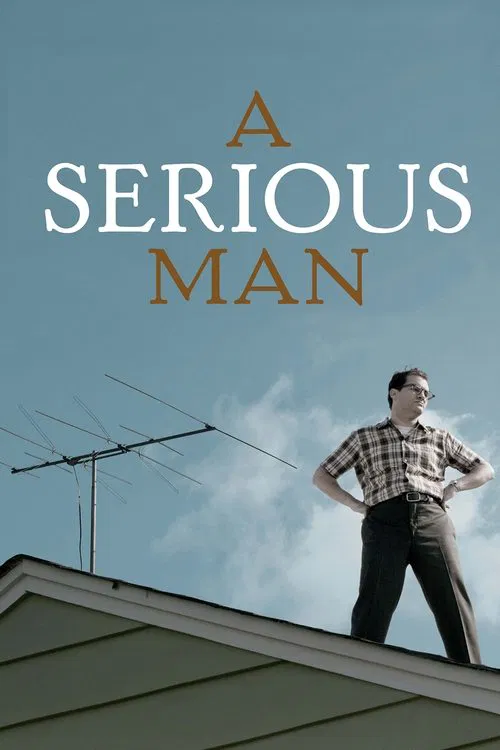
A Serious Man (2009) is the story of Larry Gopnik, a physics professor whose life falls apart for no reason anyone will explain. The film opens with a Yiddish prologue about a visitor who may or may not be a dybbuk, and it never says which. The Coens set up that question in the first minutes and walk away from it.
The final minutes stack two more open loops on top. Larry gets a call from his doctor's office saying the chest X-ray results need to be discussed in person, right away. Outside, a tornado is bearing down on his son's school. The film cuts to black before either thing resolves.
Two versions of the same event
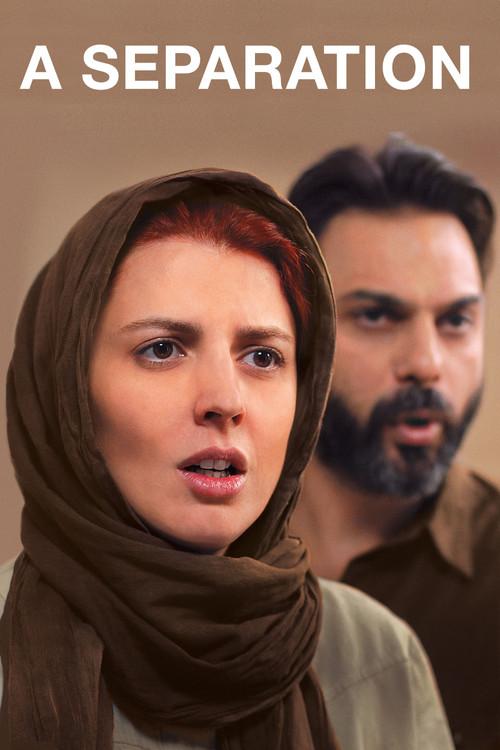
A Separation (2011) turns on a single moment. Nader pushes Razieh, the caregiver he has hired for his father, out of his apartment, and she later loses her pregnancy. Did the shove cause it? Did Nader know she was pregnant? Asghar Farhadi keeps the camera away from the key event and gives each side's account equal weight.
The ending keeps the same question open. Nader and Simin's daughter Termeh is asked to choose which parent she will live with. The film shows her answer to the judge nowhere. It cuts to the couple waiting in the corridor outside, and then to the credits. You leave still trying to decide who was telling the truth.
The case that never closes
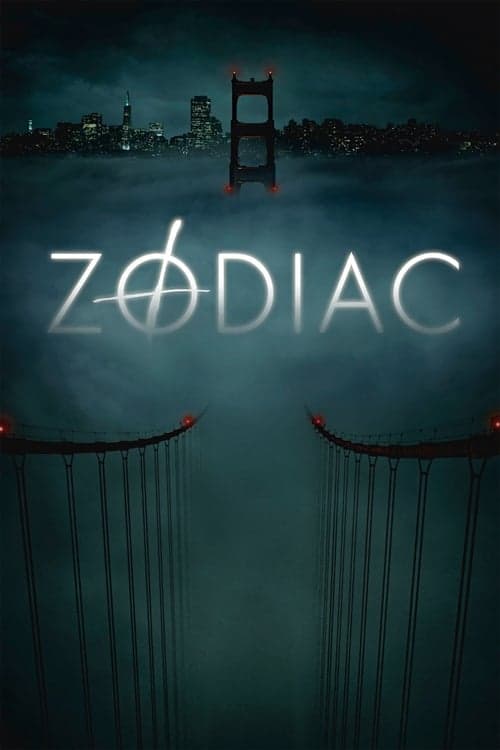
Zodiac (2007) spends over two and a half hours on a killer who is never conclusively named. Detectives chase leads, newspapers print ciphers and suspects fall through. Robert Graysmith, a cartoonist, keeps going long after the police have moved on, and the film shows how an open case takes over a person.
The suspect the film leans toward is Arthur Leigh Allen, and Fincher stops short of a conviction. On-screen text at the end says Allen died in 1992 without being charged. The viewer carries the same unfinished business that Graysmith does.
Holding the answer until the last minute
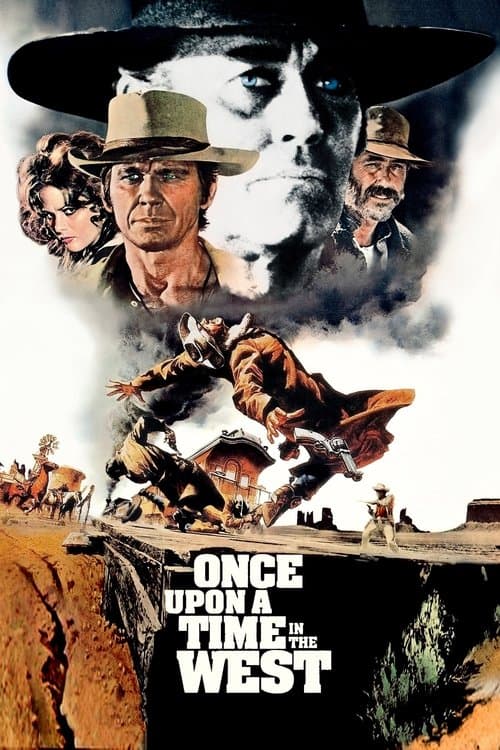
Once Upon a Time in the West (1968) keeps teasing a memory. A man called Harmonica plays a harmonica and stares at Frank, and a flashback keeps almost surfacing: a hot, dusty scene with a figure we cannot quite see. You are told he wants revenge but not why.
The full flashback comes in the final duel. Frank, as a young man, jams the harmonica into the mouth of a boy who is holding up his brother with a rope around his neck. The answer to a question that has been open for nearly three hours finally lands, and Morricone's score swells under it. The film waited so long that the payoff feels earned.
How to use this when you watch
Next time a film cuts away from a scene, ends on a question or never shows you the key moment, notice what your mind does with the gap. You will probably keep working on it after the credits, and that is the Zeigarnik effect doing what the filmmaker planned. If you are making your own work, try leaving one thing open on purpose and see what people ask you about afterward.
More guides
- Film Noir Lighting Explained: 8 Films That Nail It
- How Directors Build Suspense: 8 Films That Show You How
- Unreliable Narrator Movies Explained: 9 Films That Fool You
- Non-Linear Movies Explained: 8 Films Told Out of Order
- Long Takes and Oners Explained: 9 Famous One-Shot Scenes
- How Color Tells the Story: 9 Films With Meaningful Palettes