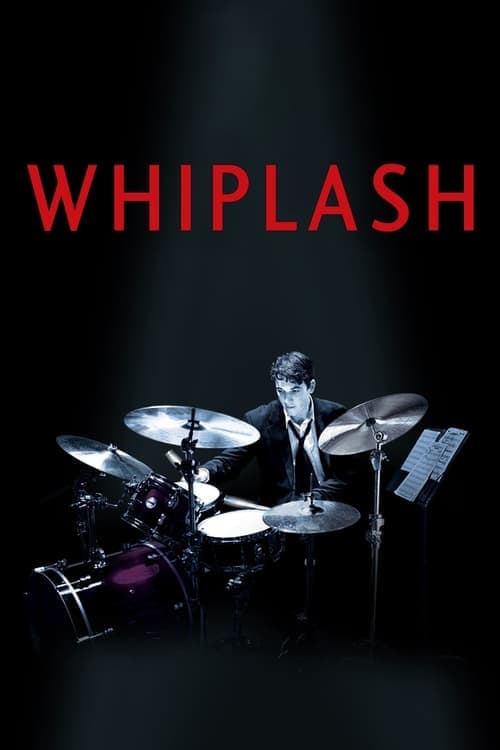
Whiplash
Damien Chazelle · 2014
A jazz drumming prodigy at a cutthroat conservatory is pushed to the breaking point by a ferociously demanding conductor. A visceral examination of obsession, abuse, and the price of greatness.
Techniques Used
4 techniques identified in this film
Kinetic Editing
EditingEditing that matches the rhythm, tempo, and energy of a scene's action or music, using cut timing to generate visceral physical sensation in the viewer.
How this film uses it
Chazelle and editor Tom Cross cut the drumming sequences to the exact rhythmic pulse of the music, making the editing itself percussive — the audience experiences the performance physically.
Close-Up Fragmentation
CinematographyDecomposing a human body or action into extreme close-up shots of individual parts, creating intensity and dehumanization through visual fragmentation.
How this film uses it
Chazelle's camera relentlessly fragments Andrew's body — bleeding hands, sweating forearms, twitching face — turning him into a collection of strained parts rather than a whole person.
Ambiguous Antagonist
NarrativeA character whose moral status the film refuses to resolve, allowing them to function simultaneously as villain and as catalyst for genuine growth.
How this film uses it
Fletcher is portrayed as genuinely abusive (psychologically and professionally) but also as the mechanism through which Andrew reaches transcendence — the film refuses to fully condemn or fully vindicate him.
Sound Perspective
SoundVarying the acoustic quality, volume, and presence of sound to match psychological proximity rather than physical distance, externalizing a character's focus.
How this film uses it
During Andrew's most intense drumming passages, the mix brings the snare to the front with hyper-real presence, isolating it from ambient sound to place us inside Andrew's tunnel-vision focus.
You Might Also Like
Films that share at least one technique with Whiplash
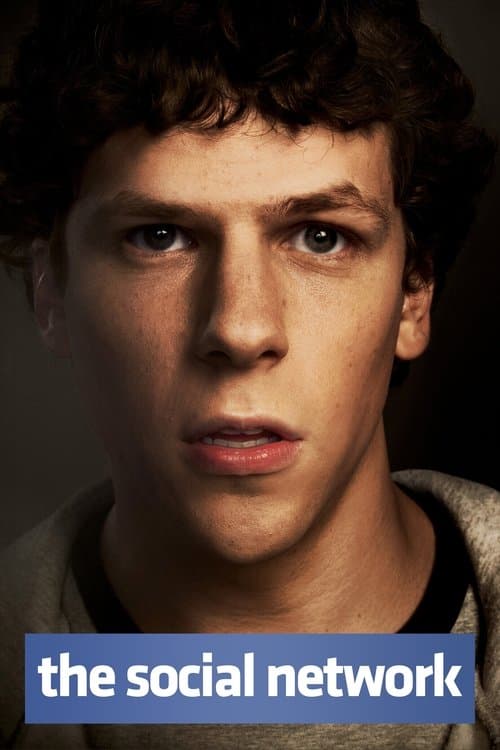
The founding of Facebook is reconstructed through two simultaneous depositions — a legal process that reveals how a social network built to connect people was created by someone who could not. Fincher's film moves at the speed of thought and uses Aaron Sorkin's dialogue as a weapon.
The Social Network
David Fincher · 2010

In a post-apocalyptic wasteland, Imperator Furiosa attempts to smuggle the warlord Immortan Joe's wives to freedom while Max Rockatansky — captive, feral — becomes an unlikely ally. A two-hour chase film that is also, formally, one of the most precisely edited action films ever made.
Mad Max: Fury Road
George Miller · 2015

A programmer is invited to his company's CEO's remote estate to administer a Turing test on an AI with a humanoid body — and finds that the real test may not be the one he was told about. A film about consciousness, manipulation, and the Turing test's most dangerous implication.
Ex Machina
Alex Garland · 2014