Drama · Fantasy

The Last Temptation of Christ

Martin Scorsese, 1988

Based on a novel by Nikos Kazantzakis, this film shows Jesus as a carpenter torn between his own wants and God's plan. On the cross he is offered an ordinary life instead. Worth watching for how a film can stage a vision that looks completely real.

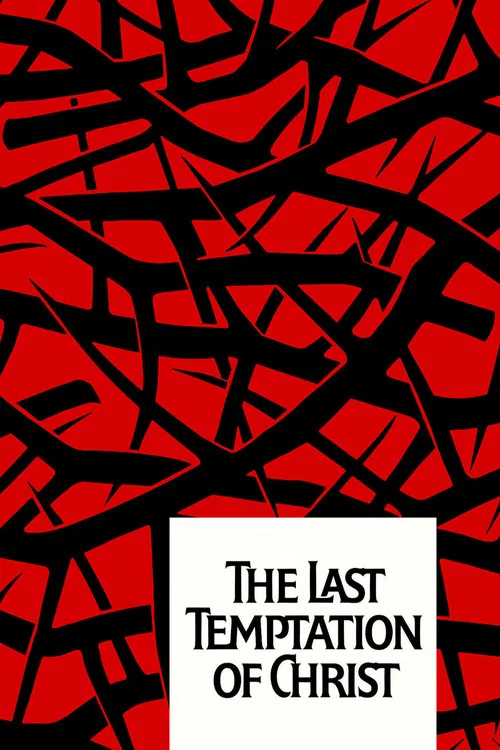
The Last Temptation of Christ (1988) poster

At a glance

The Last Temptation of Christ is a 1988 drama and fantasy film directed by Martin Scorsese. This breakdown covers 5 techniques (2 narrative, 1 psychology, 1 cinematography and 1 sound), each with the scene where you can see it. If you like how it is made, A Beautiful Mind uses several of the same techniques.

Narrative

Sacred Story Reframed

Retelling a religious figure or miracle in human or natural terms, so the sacred story is read through doubt, desire and real events.

How this film uses it

Jesus is a carpenter who does not trust his own calling, and he argues with God's plan. His friend Judas is sent to kill him but later asks him to lead a rebellion against the Romans. The film makes the story a fight inside one person.

Where to see it

Jesus and Judas: Jesus, torn between his own desires and God's plan, deals with Judas, who was sent to kill him but later suspects he is the Messiah.
Psychology

Unreliable Reality

Keeping it unclear what is real and what is imagined in the film's world. You end up as unsure as the main character.

How this film uses it

On the cross, a girl who claims to be his guardian angel takes him down and gives him an ordinary life with Mary Magdalene and a family. The film shows it as real for long stretches. You cannot tell if it is a dream or a gift until the film tells you.

Where to see it

The angel's offer: a young girl takes Jesus down from the cross and leads him to Mary Magdalene, whom he marries.

Narrative

Retroactive Reframing Revelation

Saving a reveal for the climax that changes the meaning of every scene before it. You have to rebuild the whole film in your head with the new knowledge.

How this film uses it

At the end, an old Jesus on his deathbed hears Judas reveal that the angel was Satan. The long family life was a temptation. Everything you watched after the cross changes meaning.

Where to see it

The deathbed: Judas tells Jesus the angel was Satan, and Jesus crawls back to the cross to finish what he started.

Cinematography

Landscape as Sacred Geography

Photographing real landscapes like mountains, plains and rivers so they feel mythic and full of meaning. The land becomes a spiritual and moral test the characters have to cross.

How this film uses it

The film was shot in Morocco, with Oumnast standing in for Nazareth and Magdala and Meknes for Jerusalem. The desert looks bare and ancient. It becomes a place where faith is tested.

Where to see it

The desert temptation: after his baptism, Jesus resists Satan's temptations in the wilderness.

Sound

Cultural Musical Identity

Writing music with its own instruments, rhythms and melodies for each culture in the film, or drawing on a real culture's musical traditions. The score tells you about the people.

How this film uses it

Peter Gabriel's score, released as the album Passion, won a Grammy. It draws on musicians and instruments from Africa and the Middle East. The sound places the story in its region, instead of a European church.

Where to see it

The crucifixion: Jesus is flogged, mocked and crucified in a sequence shot over 3 days with about 60 camera setups.

Questions

The Last Temptation of Christ: quick answers

What filmmaking techniques does The Last Temptation of Christ use?
CineCode breaks down 5 techniques in The Last Temptation of Christ (1988): Sacred Story Reframed, Unreliable Reality, Retroactive Reframing Revelation, Landscape as Sacred Geography and Cultural Musical Identity.
Who directed The Last Temptation of Christ?
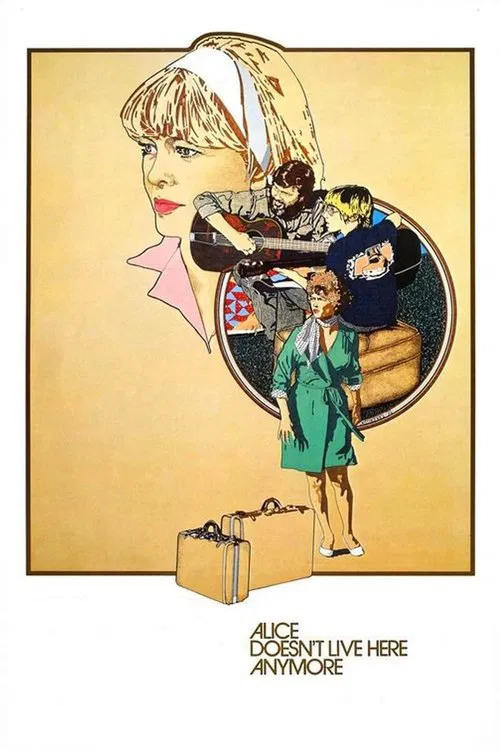
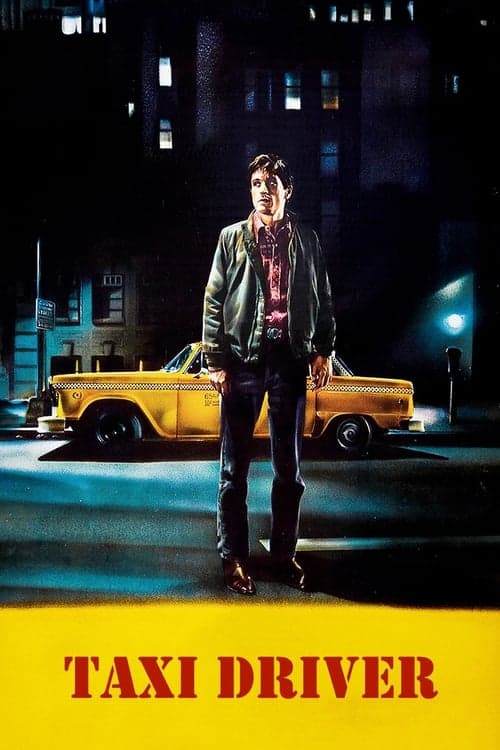
Martin Scorsese directed The Last Temptation of Christ, released in 1988. CineCode also covers Mean Streets (1973), Alice Doesn't Live Here Anymore (1974), Taxi Driver (1976), New York, New York (1977), Raging Bull (1980), The King of Comedy (1982).
What films are similar to The Last Temptation of Christ?
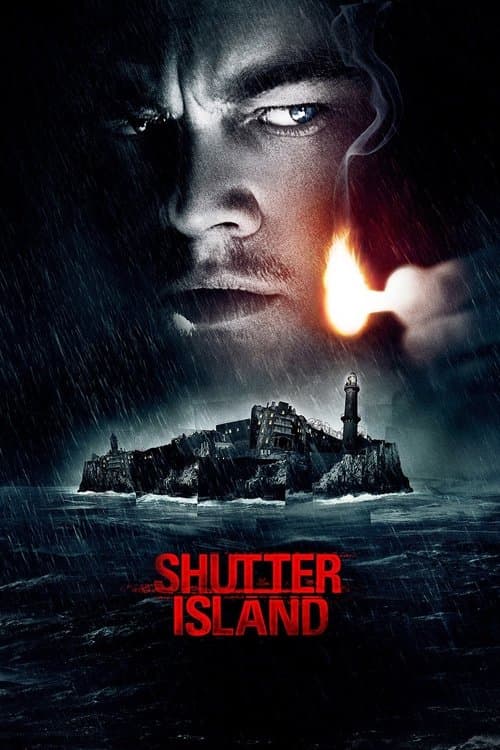
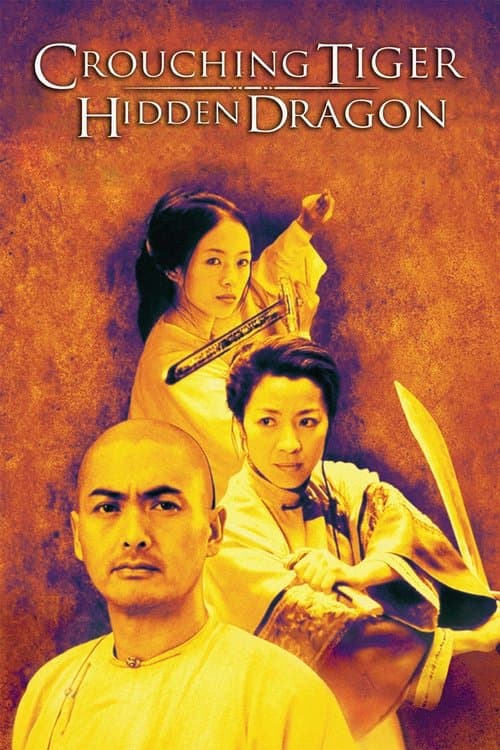
Films that share techniques with The Last Temptation of Christ include A Beautiful Mind (2001), The Sixth Sense (1999), Shutter Island (2010), Crouching Tiger, Hidden Dragon (2000).