Drama · War

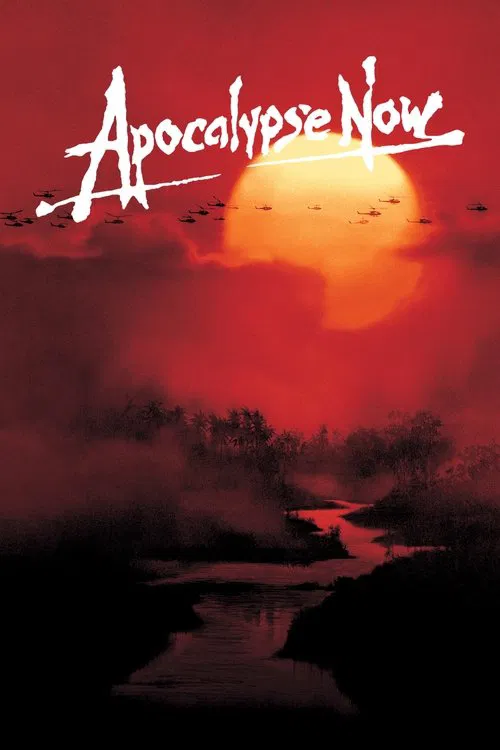
Apocalypse Now

Francis Ford Coppola, 1979

A special forces captain travels upriver through Vietnam to kill a rogue colonel who has set himself up as a god to a local tribe. It starts as an adaptation of Heart of Darkness and turns into its own feverish epic that seems to eat itself alive. It's about the madness of war and how tempting total power is.

Apocalypse Now (1979) poster

At a glance

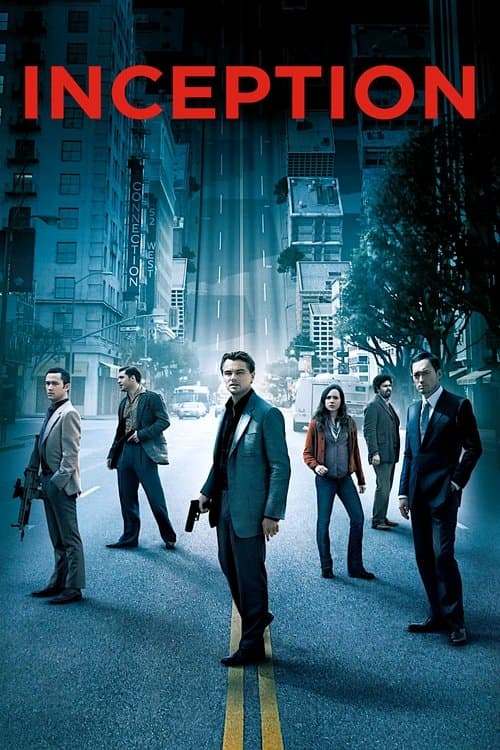
Apocalypse Now is a 1979 drama and war film directed by Francis Ford Coppola. This breakdown covers 4 techniques (2 narrative, 1 cinematography and 1 sound), each with the scene where you can see it. If you like how it is made, Inception uses several of the same techniques.

Narrative

River as Descent Structure

Structuring the film as a river journey, where each stop takes the characters deeper into danger and into moral or mental breakdown. The trip on the map matches the one inside them.

How this film uses it

As Willard travels upriver, the trappings of civilization fall away bit by bit. Each stop takes him further from the sane world: the Playboy helicopter, the Do Lung Bridge, the French plantation. By the time he reaches Kurtz's compound, he is fully ready to understand what he finds there.

Where to see it

The Do Lung Bridge sequence. It is the last outpost of military command, and nobody is in charge or knows why they are defending it.
Cinematography

Apocalyptic Cinematography

Filming fire, smoke and burning horizons on an overwhelming scale. War looks dangerous and also awe-inspiring, like watching the end of the world.

How this film uses it

Vittorio Storaro shoots Vietnam as a burning world with colors pushed too far, beautiful and monstrous at the same time. The napalm strikes at dawn are framed as carefully as a landscape painting. I feel like the horror is made beautiful on purpose. You get drawn in the same way the soldiers do, and that makes you part of it.

Where to see it

The Ride of the Valkyries helicopter attack. You get napalm and Wagner at dawn.

Sound

Unusual Instrument Scoring

Choosing an odd or unexpected instrument for the score. The unfamiliar tone makes the world feel fresh, strange or psychologically unsettled.

How this film uses it

Walter Murch's sound design and the Doors' 'The End' are woven into the film alongside Carmine Coppola's score, as if they were all one piece of music. You can never cleanly sort what you hear into 'music' and 'sound'. The noise of Vietnam is the music.

Where to see it

The opening sequence. Helicopter blades and 'The End' blend with the images into one single statement.

Narrative

The MacGuffin

Giving the characters an object, secret or goal that everyone chases. What it actually is barely matters, because its job is to set the characters against each other.

How this film uses it

For most of the film, people describe Kurtz, quote him and fear him before he ever appears. By the time Willard reaches the compound, Kurtz is a legend the film cannot fully live up to, and it deliberately doesn't try. Brando plays him as a man who falls short of the myth, because the myth was always bigger than any man.

Where to see it

Kurtz's first appearance. He comes out of the shadows, and he already falls short of the legend built up before him.

Questions

Apocalypse Now: quick answers

What filmmaking techniques does Apocalypse Now use?
CineCode breaks down 4 techniques in Apocalypse Now (1979): River as Descent Structure, Apocalyptic Cinematography, Unusual Instrument Scoring and The MacGuffin.
Who directed Apocalypse Now?
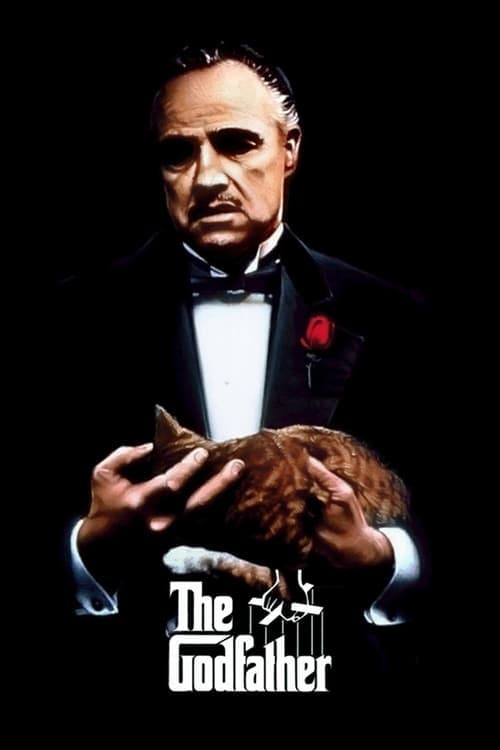
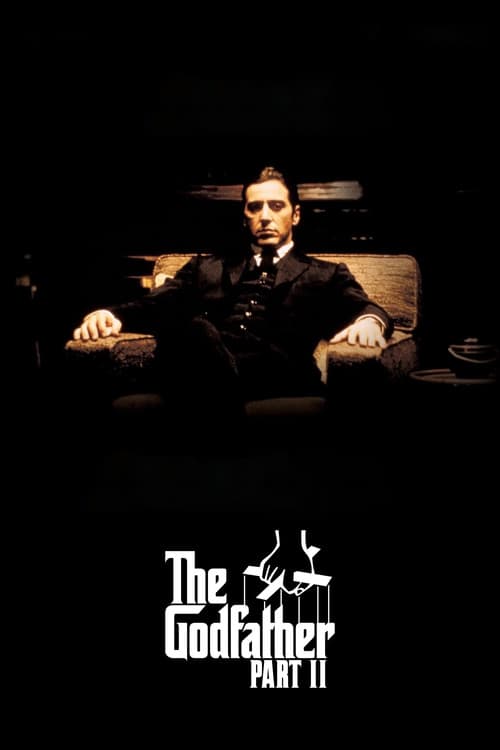
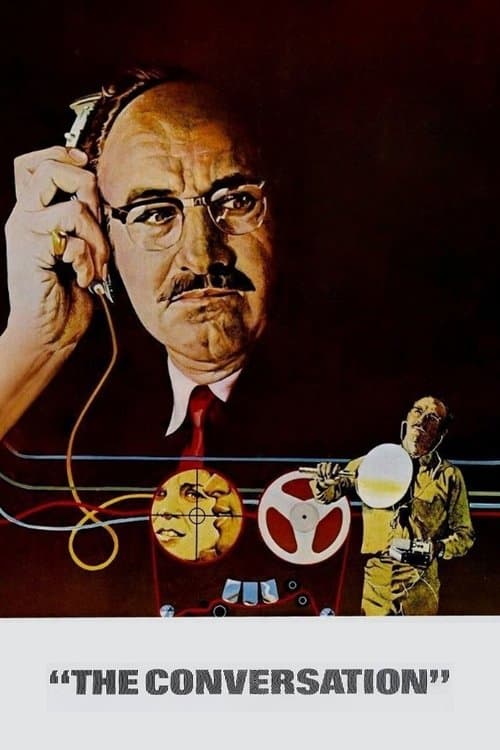
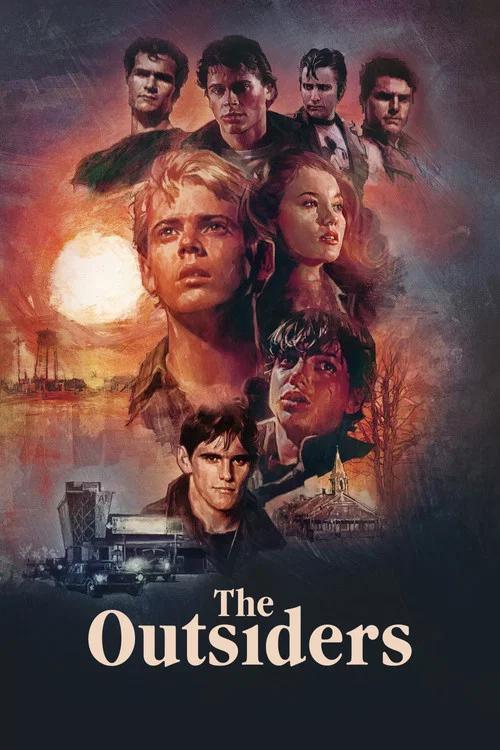
Francis Ford Coppola directed Apocalypse Now, released in 1979. CineCode also covers The Godfather (1972), The Godfather Part II (1974), The Conversation (1974), The Outsiders (1983), Rumble Fish (1983), Peggy Sue Got Married (1986).
What films are similar to Apocalypse Now?
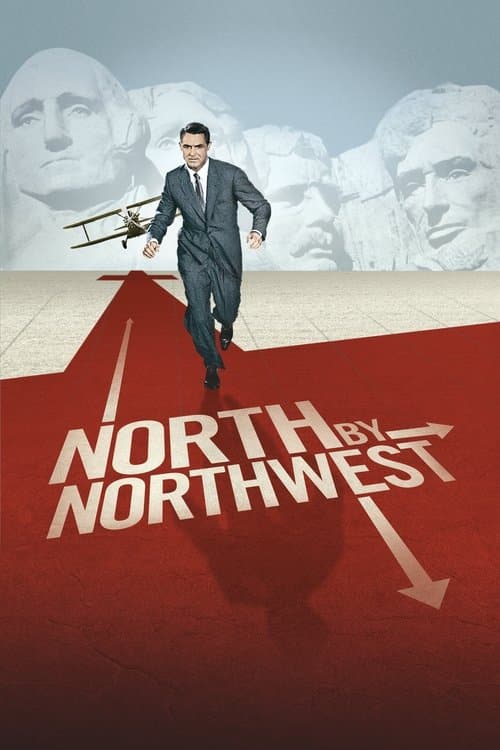
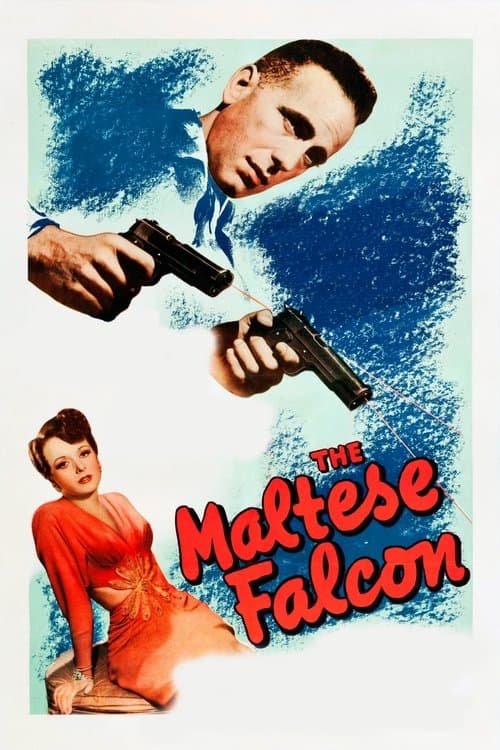
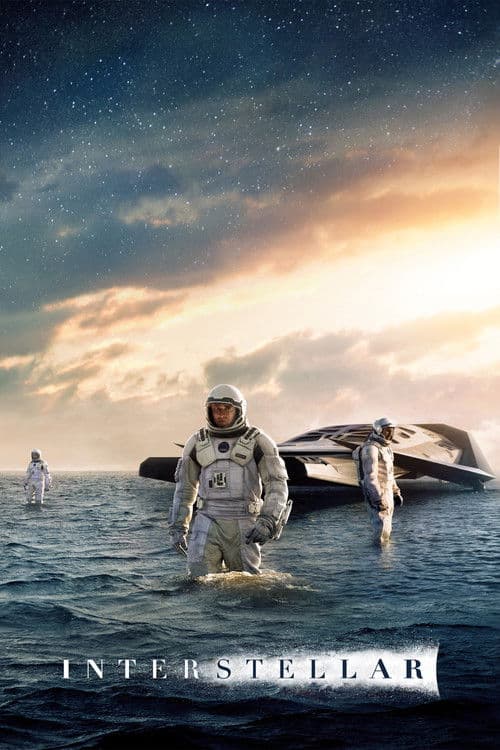
Films that share techniques with Apocalypse Now include Inception (2010), Interstellar (2014), North by Northwest (1959), The Maltese Falcon (1941).