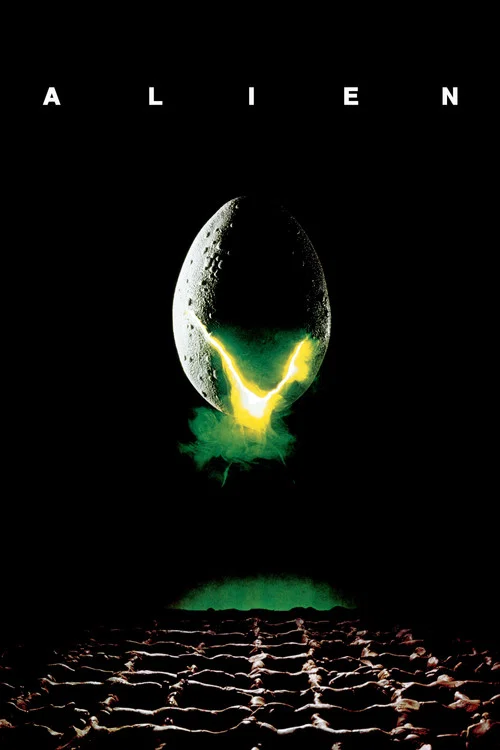
The crew of a commercial space freighter investigates a distress signal. Without meaning to, they bring back a parasitic creature that picks them off one by one. It's a haunted house horror film set in space. It is designed to make outer space feel ancient, uncaring and infected.
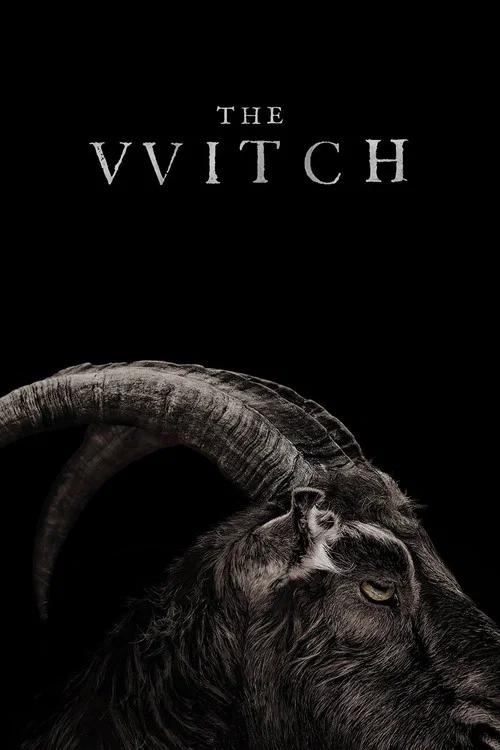
Alien is a 1979 horror and science fiction film directed by Ridley Scott. This breakdown covers 4 techniques (2 cinematography, 1 narrative and 1 sound), each with the scene where you can see it. If you like how it is made, The Witch uses several of the same techniques.
Designing sets and creatures that fuse living forms with machinery, like bone with metal. They disturb you because you can't tell if they are natural or built.
How this film uses it
Swiss artist H.R. Giger designed the alien, its egg and the derelict spacecraft. His style is called biomechanical, which means it mixes living bodies with machinery. It is phallic and skeletal at the same time. Nobody had seen a creature like it before. The design has a sexual, gut-level quality that disturbed audiences in ways they couldn't put into words right away.
Where to see it
The derelict spacecraft interior and the first egg chamber. This is where you see Giger's world for the first time.
Spending a long time on normal life, character and atmosphere before any real threat arrives. Dread builds bit by bit, so the climax feels inevitable and devastating when it comes.
How this film uses it
Scott spends the first scenes on the Nostromo crew doing boring, unheroic things: eating, arguing about bonuses, complaining about the ship. The threat arrives late. By the time the alien is aboard, you know the crew as people, and nobody feels like a stock horror movie character.
Where to see it
The crew's first meal on the Nostromo. It is ordinary bickering around a table before anything goes wrong.
Keeping a threat or character mostly out of view and suggesting it through sound, movement at the edge of the frame and other people's reactions. Your imagination makes it scarier than anything shown.
How this film uses it
You almost never get a clear look at the adult alien, and it is scariest when you can see it least. Scott and cinematographer Derek Vanlint use darkness, partial glimpses and the crew's reactions. The creature stays an idea in your head and never settles into a clear picture.
Where to see it
Lambert's death. The camera shows the alien's tail creeping up her legs, then cuts away to Ripley, who hears the screams. You have to imagine the rest from the sounds and the reactions.
Setting scenes among pipes, machinery and grimy concrete, including spaceships that look like working factories. The functional, worn look feels far from sleek sci-fi and makes the world cold and lonely.
How this film uses it
The inside of the Nostromo is all low ceilings, dripping condensation, hanging cables and flickering monitors. Production designer Michael Seymour built a workplace for working people. They are truck drivers in space. Because the ship is so ordinary, the horror that enters it hits harder.
Where to see it
The crew's first walk through the Nostromo's cargo levels. The ship is shown as a place of work, with nothing adventurous about it.
Questions
Alien: quick answers
What filmmaking techniques does Alien use?
CineCode breaks down 4 techniques in Alien (1979): H.R. Giger Biomechanical Design, Slow Burn Horror Pacing, Off-Screen Presence and Industrial Space Design.
Who directed Alien?
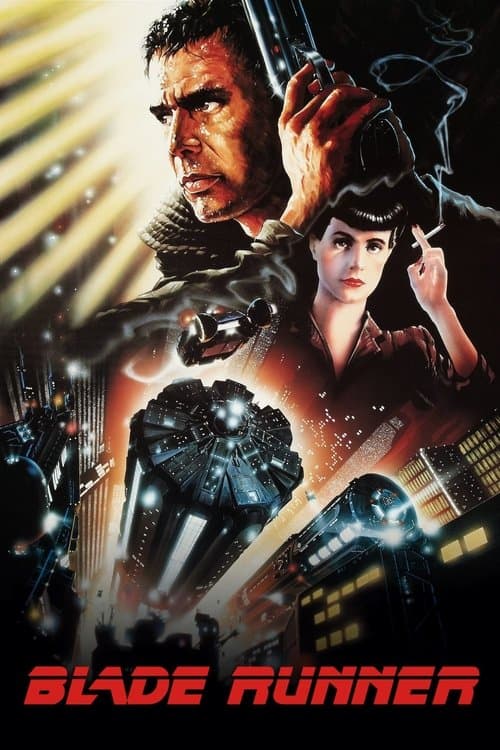
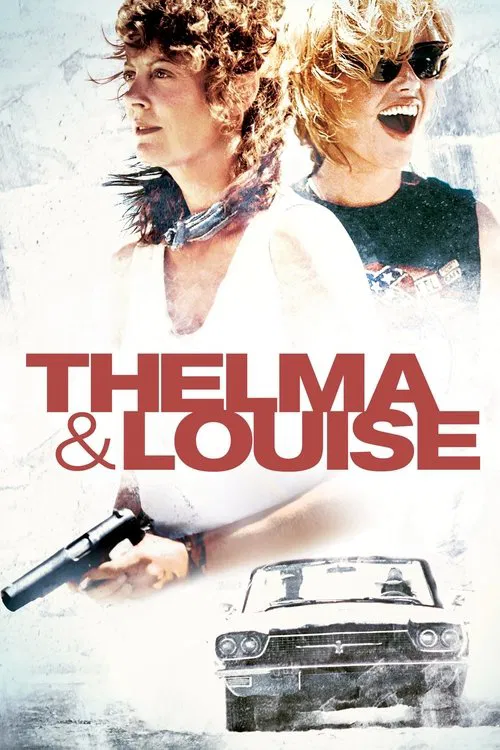
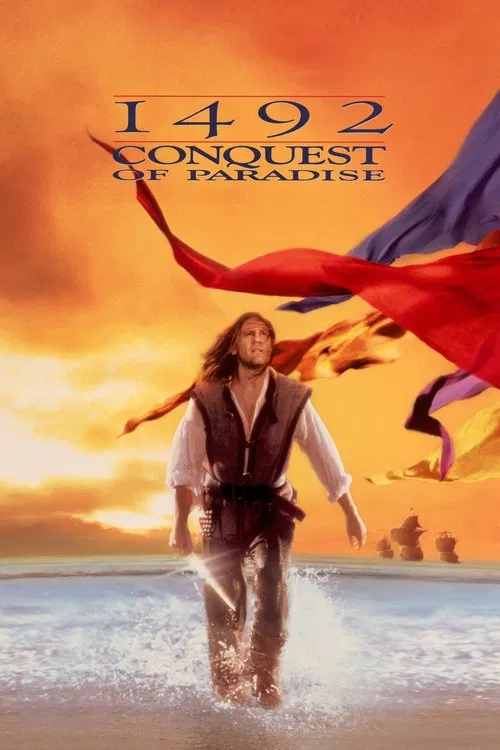
Ridley Scott directed Alien, released in 1979. CineCode also covers The Duellists (1977), Blade Runner (1982), Legend (1985), Black Rain (1989), Thelma & Louise (1991), 1492: Conquest of Paradise (1992).
What films are similar to Alien?
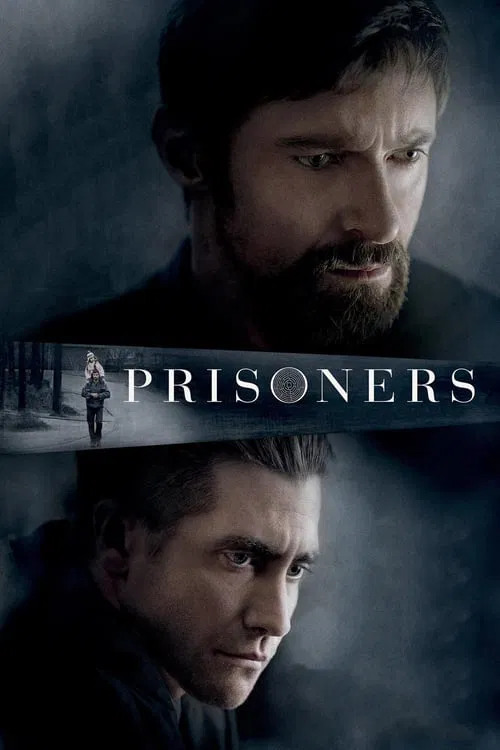
Films that share techniques with Alien include The Witch (2015), Halloween (1978), Alien³ (1992), Prisoners (2013).