Animation · Adventure · Comedy

The Castle of Cagliostro

Hayao Miyazaki, 1979

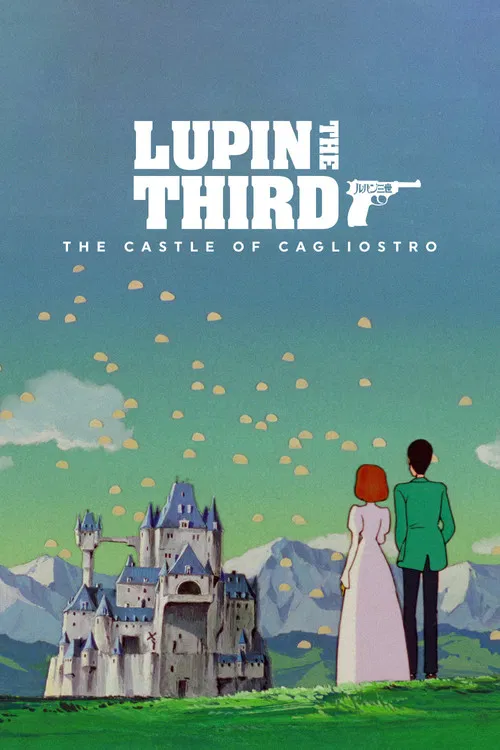
Master thief Lupin III discovers that a pile of stolen money is counterfeit and follows the trail to a tiny European duchy. There he tries to rescue a princess from a scheming count. Miyazaki's first feature is a playful caper where every chase and gadget is designed with care.

The Castle of Cagliostro (1979) poster

At a glance

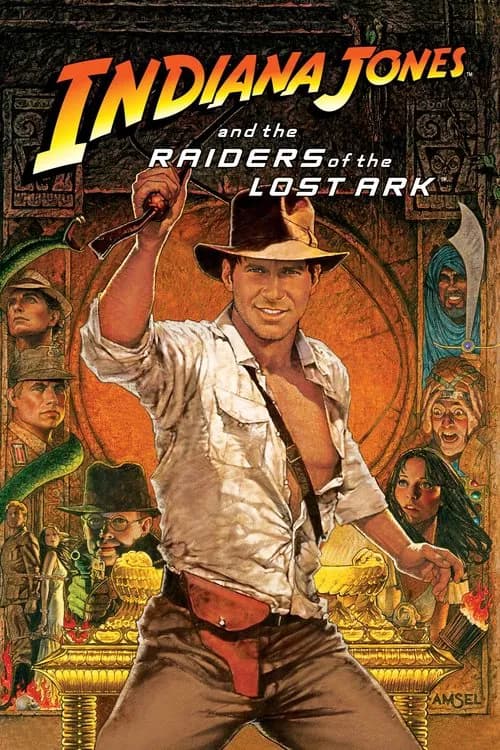
The Castle of Cagliostro is a 1979 animation, adventure and comedy film directed by Hayao Miyazaki. This breakdown covers 5 techniques (3 narrative, 1 cinematography and 1 editing), each with the scene where you can see it. If you like how it is made, Raiders of the Lost Ark uses several of the same techniques.

Narrative

Character Through Action Introduction

Introducing a character by showing them in action or at work before any explaining dialogue. You learn their skill, fears, humor and values by watching what they do.

How this film uses it

You learn who Lupin is by watching him work. He and Jigen flee a casino with a haul of cash, and Lupin spots right away that the money is fake. His speed, humor and curiosity all show before anyone explains him.

Where to see it

The casino getaway: Lupin and Jigen flee the Monte Carlo Casino with a large amount of money, and Lupin realizes the bills are high-quality counterfeits.
Narrative

Symbolic Object

Returning to the same physical object again and again until it means more than what it is. It moves the plot and also stands for the film's main ideas.

How this film uses it

Princess Clarisse's signet ring keeps changing hands. She leaves it with Lupin, he returns a copy that is secretly a fake with a transmitter, and the Count's men hunt the real one. The ring stands for who gets to rule the duchy.

Where to see it

The ring: Clarisse leaves Lupin her signet ring, and he later returns it, though it is secretly a fake with a transmitter.

Narrative

Secondary World Construction

Building a fictional world with its own consistent rules, history, culture and visual detail. It feels like the world keeps going beyond what you see on screen.

How this film uses it

The Grand Duchy of Cagliostro is an invented European country with a castle, a lake and secret catacombs. It looks like a storybook version of Europe, and its details make it feel like it has existed for centuries.

Where to see it

The finale: the lake drains to reveal Roman ruins, the true treasure of the duchy.

Cinematography

Real Machine Fidelity

Drawing vehicles and machines as faithful versions of real models, with accurate shapes and small details. The familiar machinery makes the fantasy around it feel grounded.

How this film uses it

Clarisse's red car is a Citroen 2CV, which was Miyazaki's first car, and Lupin drives a Fiat 500, head animator Yasuo Otsuka's own car. Animating real car models makes the chase on winding mountain roads feel grounded.

Where to see it

The opening chase: a bride in a red car is chased by armed thugs on a mountain road, and Lupin and Jigen try to help.

Editing

Kinetic Set Piece Architecture

Building an action sequence as a chain where each solution creates a new problem. The layout of the space stays clear, so the escalation follows its own logic.

How this film uses it

The clock tower finale uses the building as the obstacle. A hidden mechanism and secret tunnels drive the action, and the Count is crushed by the machinery at the end. The layout stays clear, so you can follow what is happening.

Where to see it

The clock tower: the Count corners Lupin and Clarisse, betrays Lupin, and they fall into the lake while the Count is crushed by the clock mechanism.

Questions

The Castle of Cagliostro: quick answers

What filmmaking techniques does The Castle of Cagliostro use?
CineCode breaks down 5 techniques in The Castle of Cagliostro (1979): Character Through Action Introduction, Symbolic Object, Secondary World Construction, Real Machine Fidelity and Kinetic Set Piece Architecture.
Who directed The Castle of Cagliostro?
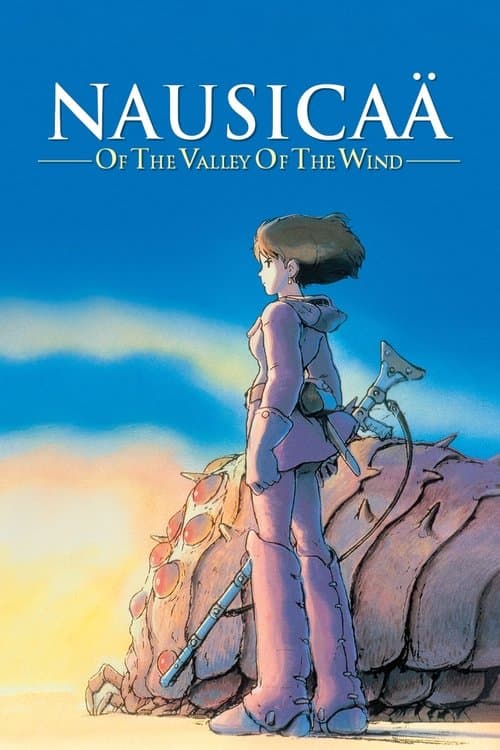
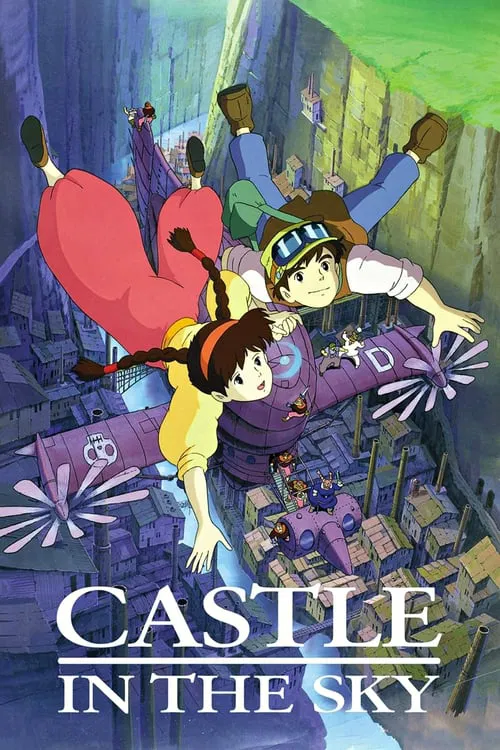
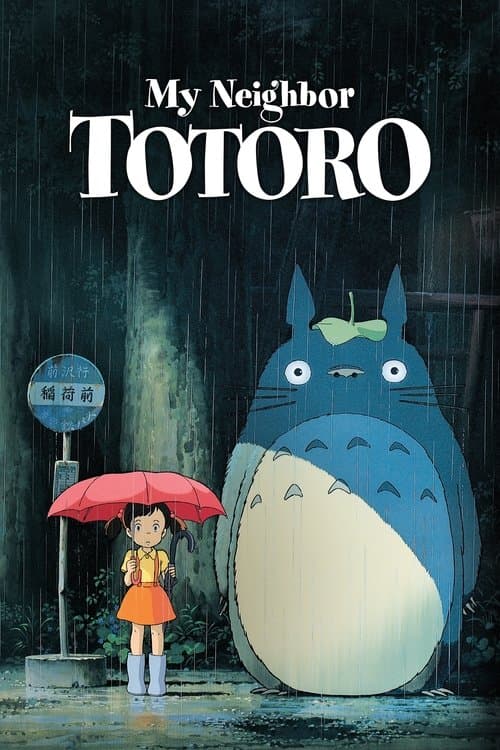
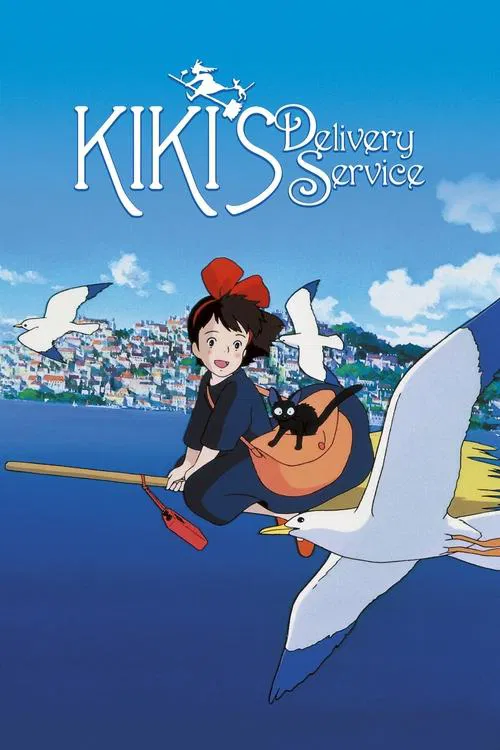
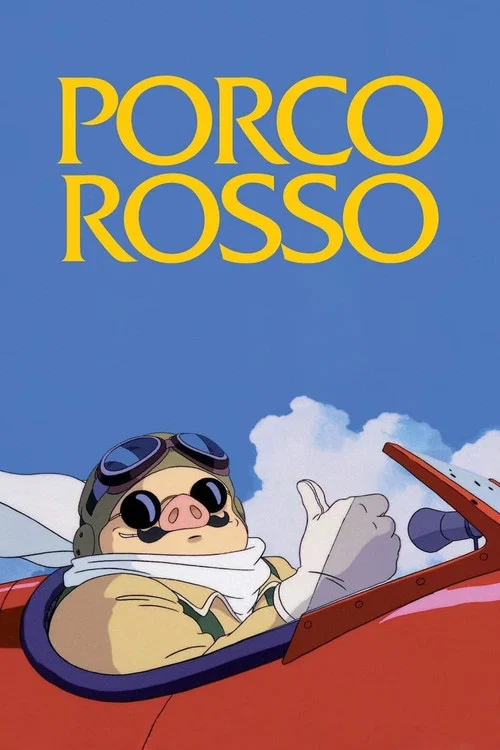
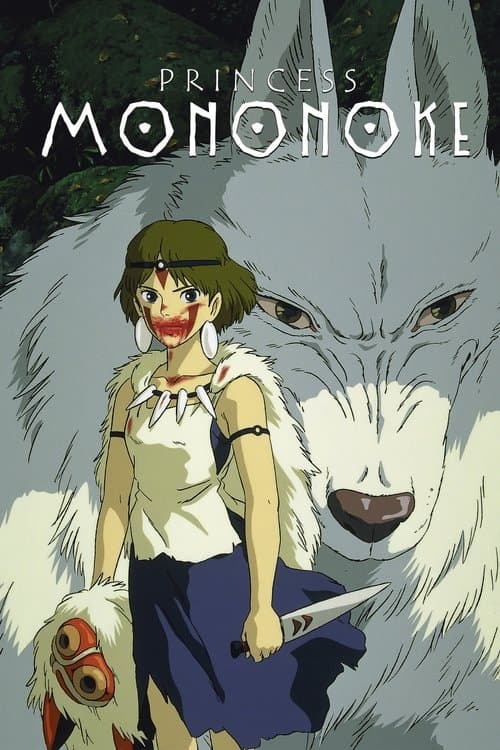
Hayao Miyazaki directed The Castle of Cagliostro, released in 1979. CineCode also covers Nausicaä of the Valley of the Wind (1984), Castle in the Sky (1986), My Neighbor Totoro (1988), Kiki's Delivery Service (1989), Porco Rosso (1992), Princess Mononoke (1997).
What films are similar to The Castle of Cagliostro?
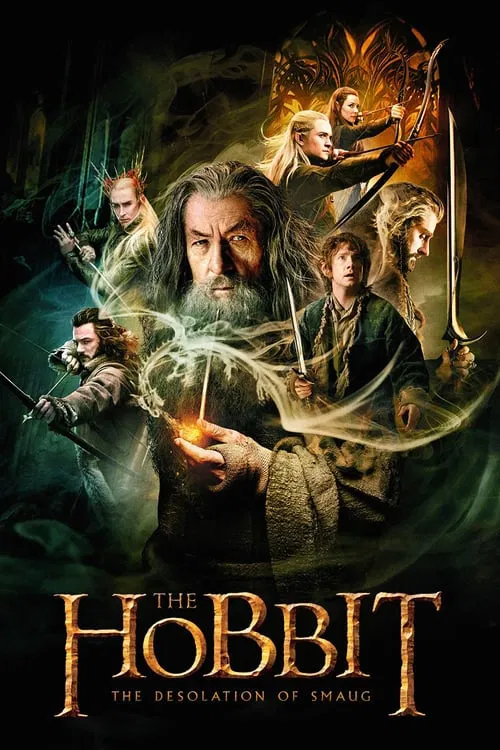
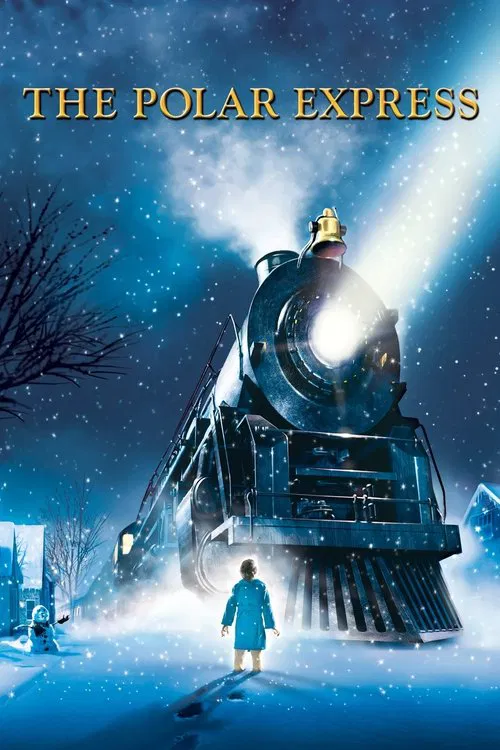
Films that share techniques with The Castle of Cagliostro include Raiders of the Lost Ark (1981), Pan's Labyrinth (2006), The Hobbit: The Desolation of Smaug (2013), The Polar Express (2004).