Comedy · Drama · Romance

Manhattan

Woody Allen, 1979

A twice-divorced New York television writer in his 40s is dating a 17-year-old while falling in love with his best friend's mistress. He idealizes the city, women and himself, and the film asks whether that romantic view can survive real moral scrutiny. It's Woody Allen's most beautiful film, and also the one where he implicates himself the most.

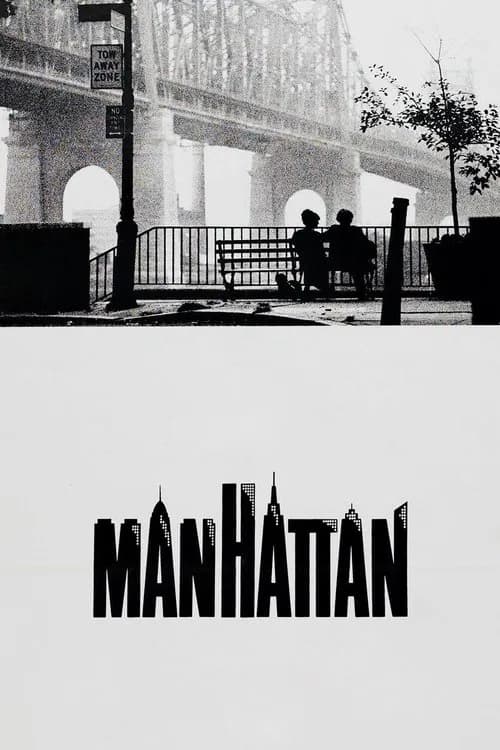
Manhattan (1979) poster

At a glance

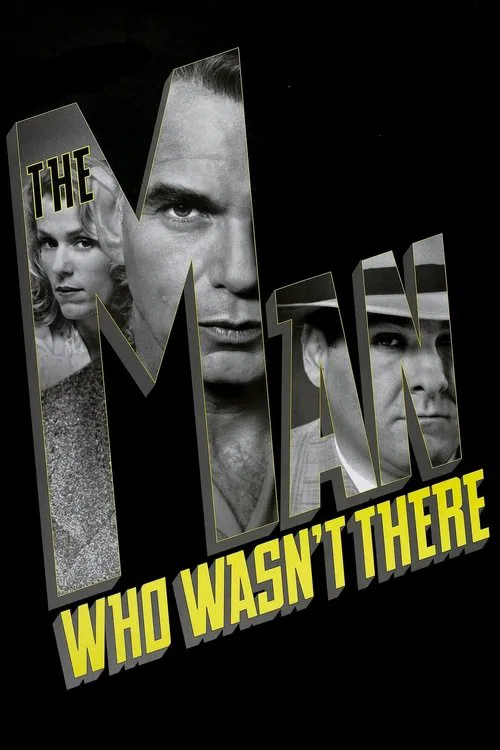
Manhattan is a 1979 comedy, drama and romance film directed by Woody Allen. This breakdown covers 4 techniques (2 cinematography, 1 sound and 1 narrative), each with the scene where you can see it. If you like how it is made, The Man Who Wasn't There uses several of the same techniques.

Cinematography

Black-and-White as Moral Urgency

Choosing to shoot in black and white to take away the comfort and pleasure of color. The film feels more serious, and you watch as a witness.

How this film uses it

Gordon Willis shoots Manhattan in black-and-white Panavision, the format that makes New York look like its own legend. The choice shows the film's love for the city. It also raises the question of whether beauty can make up for moral failure.

Where to see it

The opening Gershwin montage. Manhattan's landmarks are shot in Willis's deep-shadow black-and-white. The city is so beautiful that Isaac's voiceover, where he keeps correcting himself, seems beside the point at first. Then it seems like exactly the point.
Sound

Classical Music as Score

Using existing classical pieces as the soundtrack, with no newly composed score. The music brings its own history, cultural weight and emotion into the film.

How this film uses it

Gershwin's 'Rhapsody in Blue' and his other compositions are the film's entire emotional soundtrack. The grand, romantic music backs up Isaac's idealized view of the city and gently mocks it too. The film's central irony is the gap between the Gershwin and the messy lives underneath it.

Where to see it

The Planetarium sequence. Isaac and Mary are under the stars with the Gershwin on the soundtrack. The black-and-white photography makes the setting look like an idealized dream, and the film will shortly test it.

Cinematography

Anamorphic Scope Composition

Using the full width of a very wide 2.35:1 frame to set small human figures against huge, empty landscapes. All that empty space makes the characters look isolated and insignificant.

How this film uses it

Willis shoots in 2.35:1 anamorphic scope, a very wide frame that is unusual for a talky comedy. It makes Manhattan look as big as a David Lean epic. Meanwhile, the characters have the kind of neurotic conversations that call for a cramped close-up. As a matter of fact, that mismatch between format and subject is the joke the film is built on.

Where to see it

Isaac and Mary on the bench at dawn. The wide frame holds both the tiny couple and the vast Queensboro Bridge behind them. The scale tells you what the city means to Isaac, and the film will go on to complicate that.

Narrative

Retrospective Voiceover

Having a narrator tell the story from some point after it happened. The events feel like memory, and you sense early on that something will be lost.

How this film uses it

The film opens with Isaac writing and rewriting the first line of the novel. His voiceover tries out different versions of the city's legend and drops them. All that self-revision tells you the narrator is unreliable about himself before a single scene of action has happened.

Where to see it

The opening voiceover variations. 'He was too romantic about Manhattan, as he was about everything else' is one of several false starts. He keeps revising until he lands on 'He was as tough and romantic as the city he loved.' The self-criticism is built into the way he celebrates himself.

Questions

Manhattan: quick answers

What filmmaking techniques does Manhattan use?
CineCode breaks down 4 techniques in Manhattan (1979): Black-and-White as Moral Urgency, Classical Music as Score, Anamorphic Scope Composition and Retrospective Voiceover.
Who directed Manhattan?
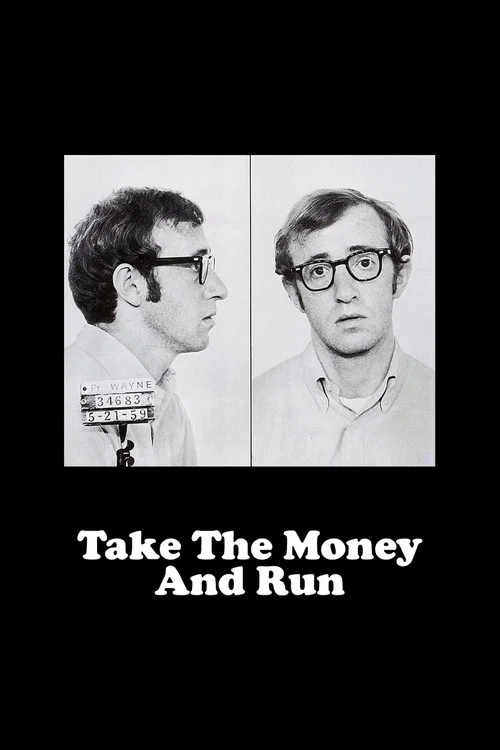
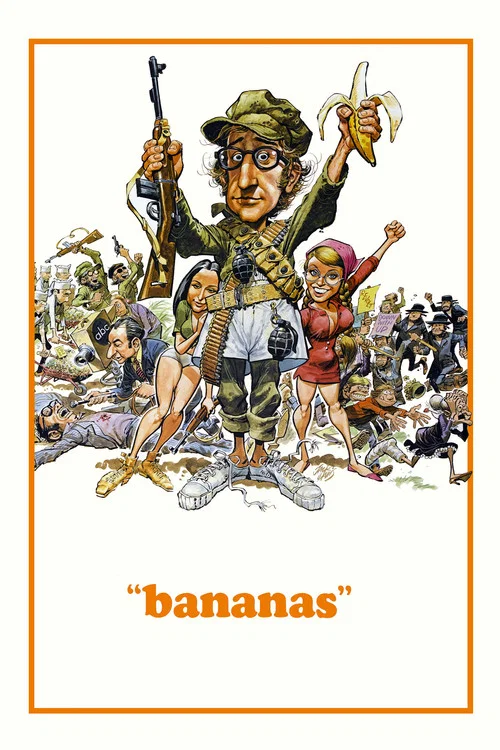
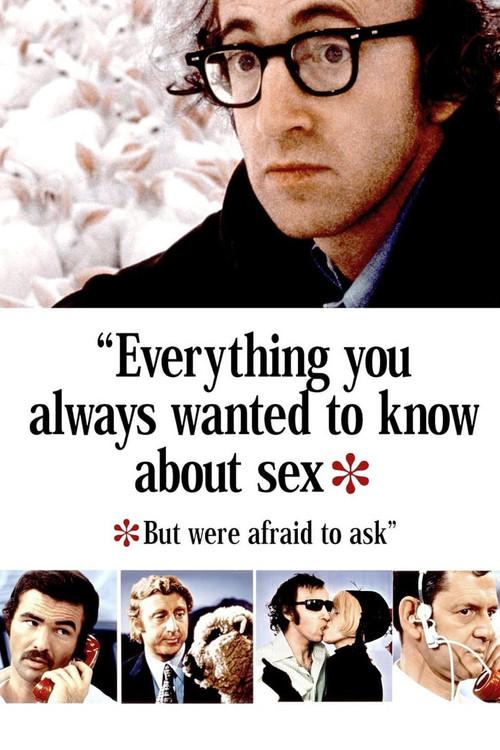
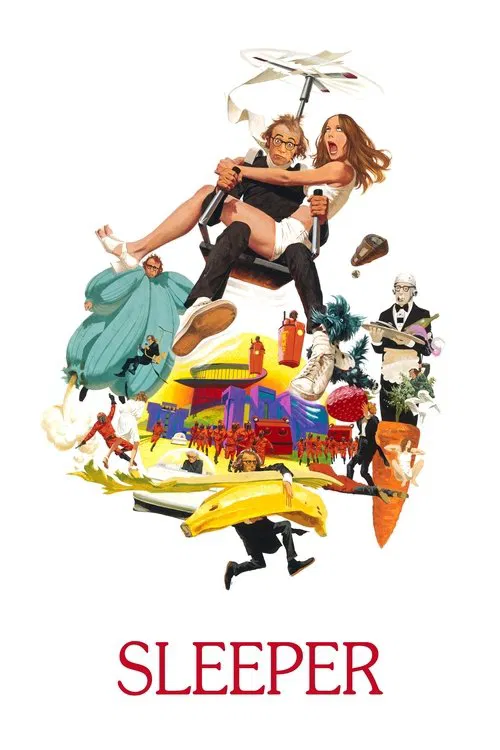
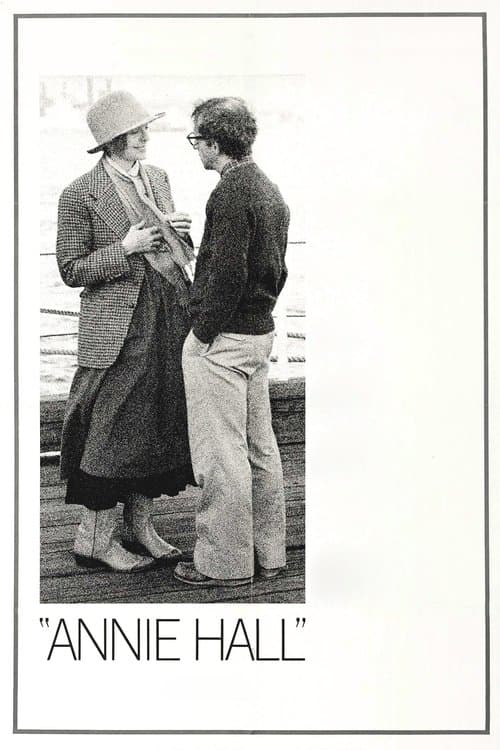
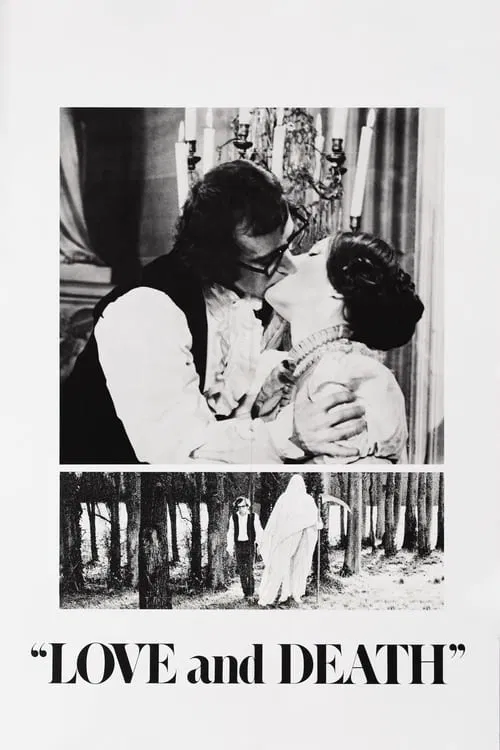
Woody Allen directed Manhattan, released in 1979. CineCode also covers Take the Money and Run (1969), Bananas (1971), Everything You Always Wanted to Know About Sex *But Were Afraid to Ask (1972), Sleeper (1973), Love and Death (1975), Annie Hall (1977).
What films are similar to Manhattan?
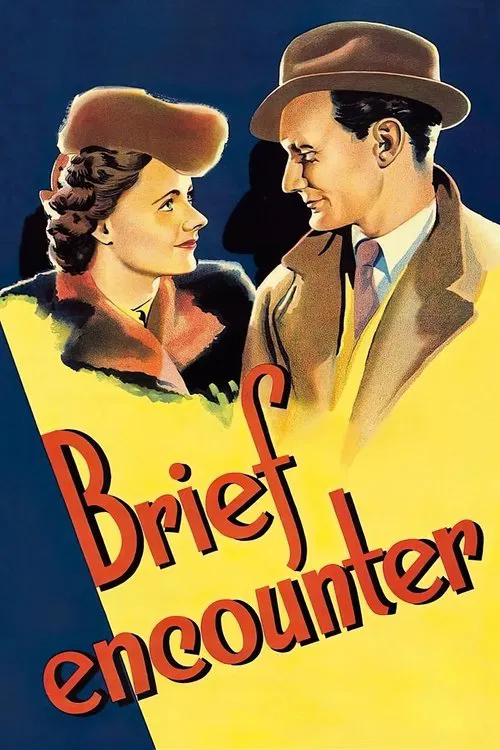
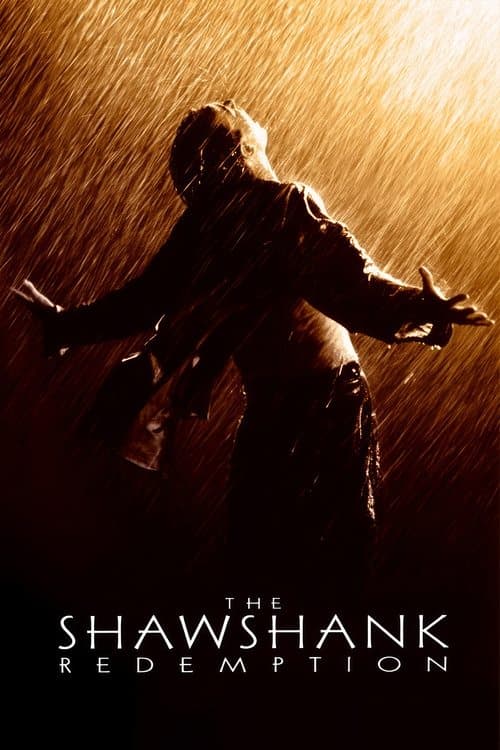
Films that share techniques with Manhattan include The Man Who Wasn't There (2001), Love and Death (1975), Brief Encounter (1945), The Shawshank Redemption (1994).