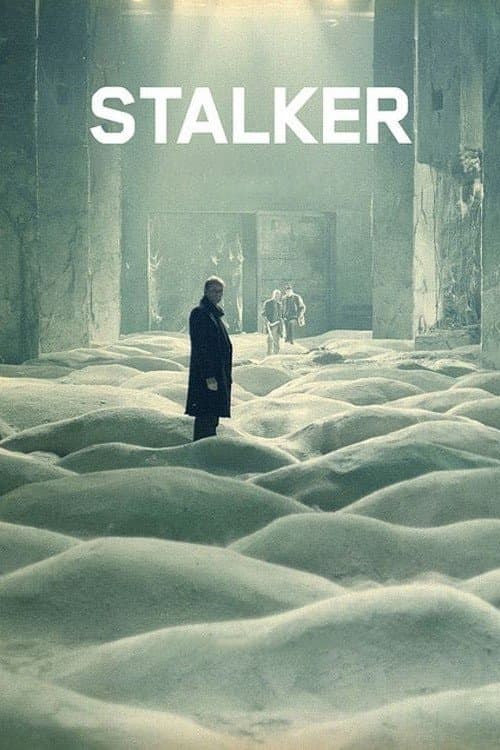
Stalker
Andrei Tarkovsky · 1979
A guide called the Stalker leads a Writer and a Professor through a forbidden wasteland called the Zone, toward a room that is said to grant one's deepest wish. No one can agree on whether the Zone is real, dangerous, or spiritual. One of cinema's most sustained meditations on faith, desire, and the nature of art.
Techniques Used
4 techniques identified in this film
Impossible Quest Structure
NarrativeOrganizing a film as a quest for something that cannot, by the story's own logic, be found or confirmed — the quest's impossibility being the film's argument rather than its failure.
How this film uses it
The Zone's Room grants wishes, but no one who reaches it enters. The Writer and Professor argue throughout about whether it exists, whether it works, whether they want what they think they want. The film's structure mirrors the theological problem: the destination that is approached but never reached is the film's central meaning, not a structural flaw.
Theological Silence Design
SoundTreating silence itself as the film's answer to its central spiritual question — the absence of response given the weight and deliberateness of a spoken answer.
How this film uses it
Tarkovsky fills the Zone with ambient sound — dripping water, wind, distant dogs — but removes conventional dramatic scoring. The Zone does not speak; it reflects. The silence is not empty but weighted, and Tarkovsky uses it as a Zen koan: the Zone's failure to confirm or deny its own nature is itself the answer to the question of whether God exists.
Observational Restraint
CinematographyA visual approach that refuses dramatic camera movement or emphasis, watching events unfold at a measured distance — the camera as uninflected witness rather than emotional guide.
How this film uses it
Tarkovsky's camera moves slowly, often horizontally, and refuses to cut to reactions or emphasize moments conventionally understood as dramatic. The Zone is observed with the patience of someone who has all the time in the world — or no time at all. The restraint forces audiences to bring their own emotional register to images the film declines to editorialize.
Unreliable Reality
PsychologyA film whose world itself may be subjective, imagined, or unstable — where the boundary between what is real and what is perceived cannot be determined.
How this film uses it
The Zone's rules are contradictory and change without explanation. Paths that were safe become lethal; the direct route is forbidden; the Zone 'thinks.' No one can verify whether the Zone has genuine metaphysical properties or whether the Stalker has imposed a mythology on a contaminated industrial wasteland. Tarkovsky never resolves this — the Zone's ambiguity is the film's argument.
You Might Also Like
Films that share at least one technique with Stalker
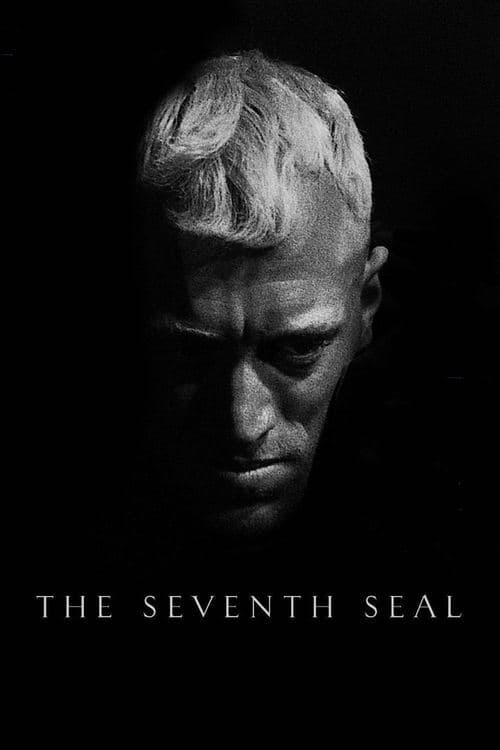
A medieval knight returning from the Crusades plays chess with Death, desperate to find proof of God's existence before he dies. Bergman's most iconic film uses the Middle Ages as a screen onto which postwar European existentialism is projected.
The Seventh Seal
Ingmar Bergman · 1957
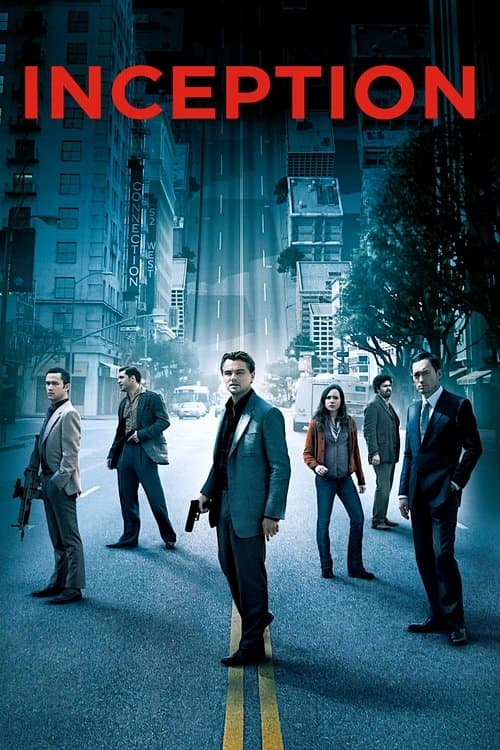
A skilled thief who enters people's dreams is offered a chance to have his criminal record erased if he can implant an idea into a CEO's mind. A labyrinthine heist film about grief, reality, and the architecture of the unconscious.
Inception
Christopher Nolan · 2010

A celebrated Polish Jewish pianist survives the destruction of the Warsaw Ghetto by hiding in bombed-out buildings while the city is razed around him. An unflinching survivor's film built on the insistence that ordinary life — and art — continue inside catastrophe.
The Pianist
Roman Polanski · 2002