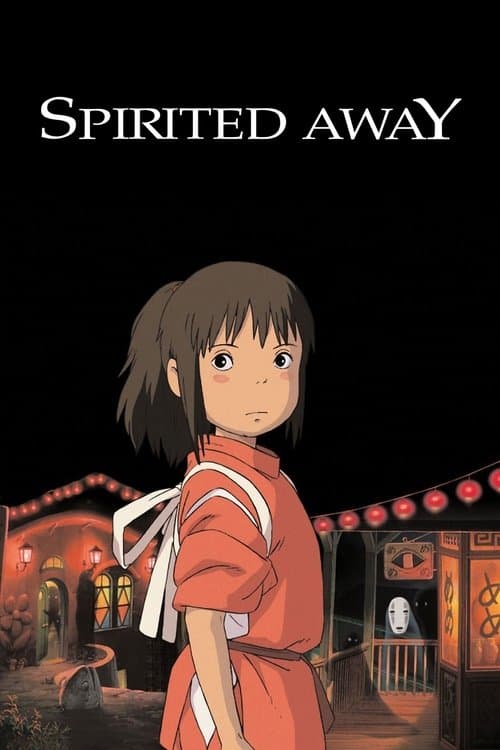
Spirited Away
Hayao Miyazaki · 2001
A sulky ten-year-old girl is trapped in a spirit world run by an ancient bathhouse and must work to survive while searching for a way to free her parents who have been turned into pigs. A Shinto-inflected coming-of-age film about labor, identity, and the courage required to grow up.
Techniques Used
5 techniques identified in this film
Shinto Visual Mythology
NarrativeDrawing on a specific cultural and religious tradition's iconography, cosmology, and spiritual logic as the literal mechanics of a story world — so that the fantasy is grounded in actual belief rather than invented arbitrarily.
How this film uses it
Miyazaki peoples the bathhouse with entities from Japanese Shinto tradition — river spirits, radish gods, soot sprites — giving the spirit world an internal coherence that feels ancient rather than invented. The bathhouse itself operates on Shinto principles of ritual cleansing and the purification of pollution.
Labor as Character Development
NarrativeUsing a character's engagement with physical work — learning a job, mastering a skill, taking responsibility — as the primary mechanism of their psychological and moral growth.
How this film uses it
Chihiro's transformation from passive and fearful to capable and determined is mapped entirely onto her work in the bathhouse. Each task she masters — cleaning the bathtub, operating the boiler, serving guests — corresponds to a step in her emotional development. Miyazaki treats labor as dignity.
Hand-Drawn Texture
CinematographyMaintaining the tactile, handmade quality of traditional animation — the slight imprecision of line, the visible brushwork in backgrounds — as an aesthetic value that encodes warmth and human presence in the image.
How this film uses it
Studio Ghibli's backgrounds are painted watercolors; the characters are hand-drawn on cels. The texture of each frame records the physical act of making — a labor that mirrors the film's subject. The visible handwork is a statement against the clean perfection of CGI.
Silent Observation Pacing
EditingHolding shots of characters observing their environment — watching, absorbing, taking in — without cutting away, insisting that perception is as dramatically valid as action.
How this film uses it
Miyazaki regularly holds on Chihiro watching the spirit world's operations: the boiler room, the bathhouse at night, the flooding of the yard. These sequences teach both Chihiro and the audience how this world works, and establish that understanding comes before action.
Identity Through Name
NarrativeUsing the act of naming — the giving, taking, or recovering of a name — as the film's central symbolic transaction, encoding identity as something that can be stolen and must be actively reclaimed.
How this film uses it
Yubaba takes Chihiro's name, renaming her Sen — a compression that strips her history and makes her compliant. The film's emotional climax is Chihiro remembering her own name without being told it, reclaiming her identity through memory rather than rescue.
You Might Also Like
Films that share at least one technique with Spirited Away
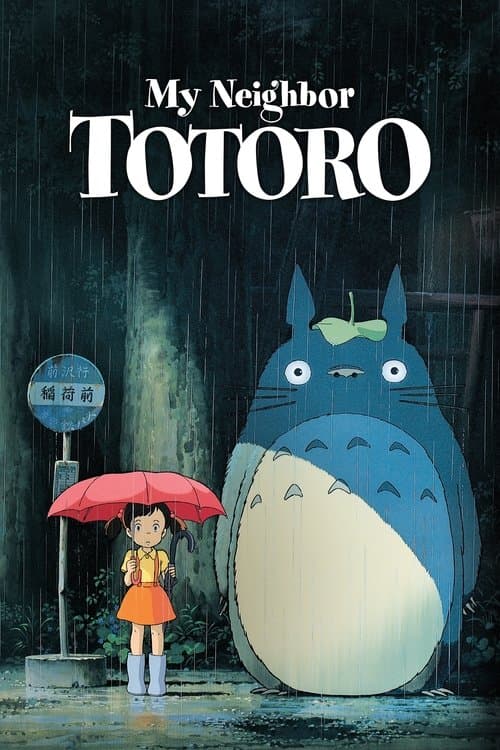
Two young sisters move to the countryside with their father while their mother recovers in hospital, and discover that the surrounding forest is inhabited by gentle, enormous spirits. Hayao Miyazaki's film is a perfect capture of childhood's capacity to find wonder in the ordinary and sustain itself through the extraordinary.
My Neighbor Totoro
Hayao Miyazaki · 1988
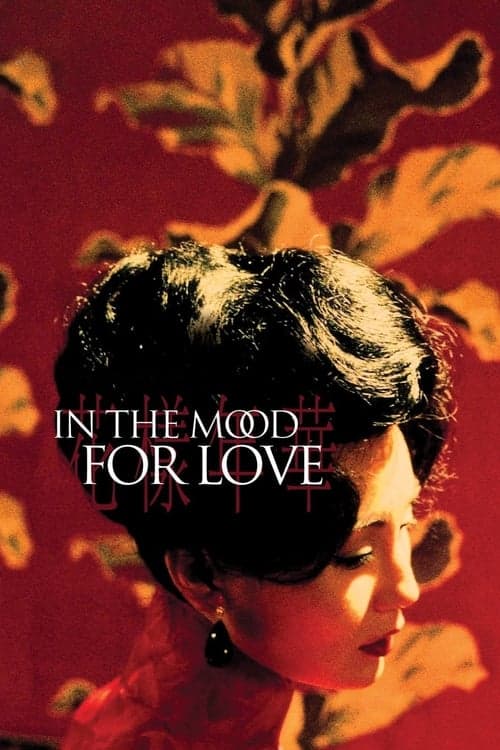
Two neighbors in 1962 Hong Kong discover that their respective spouses are having an affair with each other, and find themselves drawn into an intimate friendship that the era's social codes will not allow to become more. Wong Kar-wai's most restrained film is also his most aching — a love story told entirely in what is withheld.
In the Mood for Love
Wong Kar-wai · 2000
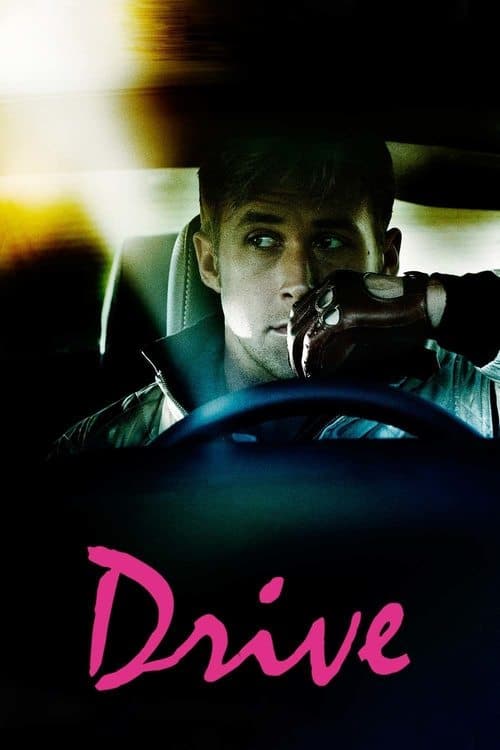
A Hollywood stunt driver who moonlights as a getaway driver becomes entangled with his neighbor and her husband's criminal debt, setting off a violent chain of events he navigates with extraordinary skill and extraordinary silence. Nicolas Winding Refn's neo-noir is constructed around a protagonist who communicates entirely through action.
Drive
Nicolas Winding Refn · 2011