Comedy · Drama

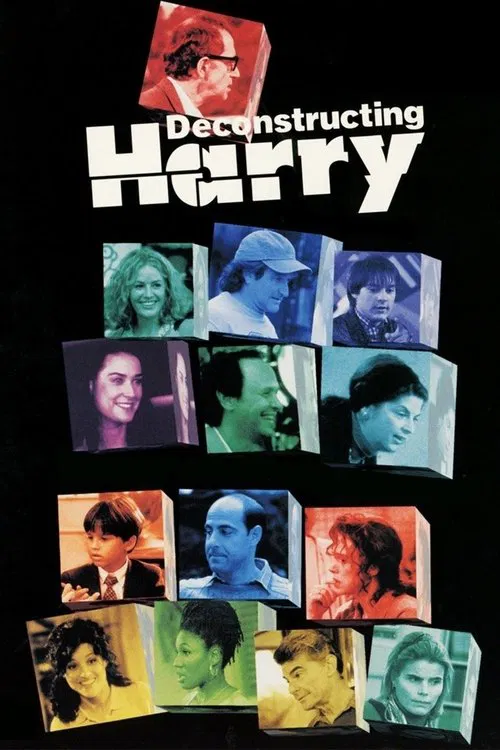
Deconstructing Harry

Woody Allen, 1997

Harry Block is a writer whose books are thinly disguised accounts of his own life, and the people he wrote about are furious. On a road trip to a college honor, his invented characters turn up beside him. It is worth watching for how Allen lets fiction and real life crash into each other.

Deconstructing Harry (1997) poster

At a glance

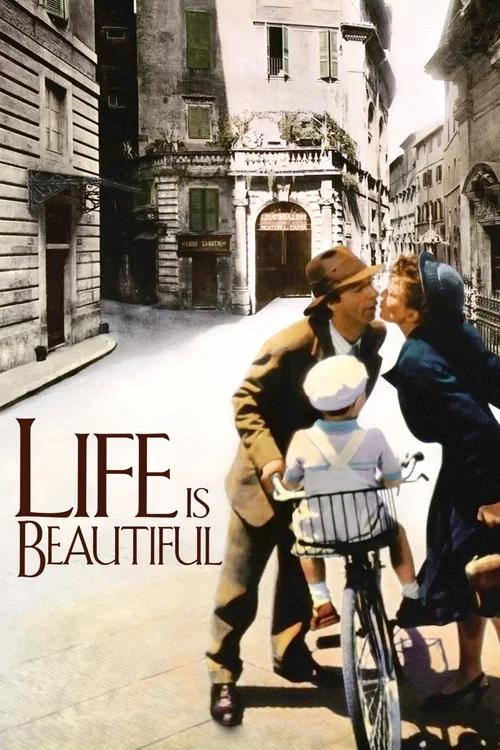
Deconstructing Harry is a 1997 comedy and drama film directed by Woody Allen. This breakdown covers 5 techniques (3 narrative, 1 cinematography and 1 psychology), each with the scene where you can see it. If you like how it is made, Life is Beautiful uses several of the same techniques.

Narrative

Fiction Crossing Into Reality

Letting characters or stories cross the boundary between fiction and the real world inside the film. It plays with how much we rely on stories to cope with life.

How this film uses it

Harry's invented characters appear alongside him and make him face painful truths about his own life. Stories he wrote are acted out in front of you. Allen uses it to show how Harry hides in his writing.

Where to see it

The drive. Harry meets his invented characters Ken and Helen, who force him to face painful truths.

Narrative

Autobiographical Distance

Drawing on the filmmaker's own life but keeping it at arm's length, often through a fictional stand-in. The result is precise and unsentimental, and it can question how memory flatters us.

How this film uses it

Harry Block is a writer who pulls from his life for his books, and the film is built around that habit. Allen plays Harry himself, which invites you to compare the two. You see the work and the mess it came from, side by side.

Where to see it

Lucy on the roof. Lucy has read Harry's novel about their affair, and she confronts him with a gun.

Narrative

Comedy Under Duress

Putting jokes and comic performance inside dangerous or desperate situations. The humor works as a way of resisting, and you never forget what the characters are laughing through.

How this film uses it

Facing a gun, Harry distracts Lucy by telling her a story he is still writing about a young man called Harvey. The film stays funny while someone could be shot. The humor is also Harry's way of escaping.

Where to see it

The roof. Lucy confronts Harry with a gun, and he distracts her by telling her the story of Harvey.

Cinematography

Visual Literalization of Inner State

Showing an inner problem as something you can see, such as a visible lie, a blurred actor or a fully built imagination. The idea becomes a physical sight.

How this film uses it

While being filmed, Mel, the actor played by Robin Williams, slides out of focus and becomes blurry. The film uses a simple camera trick to show his problem in the image itself. Nobody on screen explains it, and you do not need them to.

Where to see it

Mel goes out of focus. While Harry's story is being shot, the actor played by Robin Williams becomes blurred.

Psychology

Self-Image Sabotage

Letting a character's belief about themselves undermine their talent or fortune. They wreck their own chances because of how they see who they are.

How this film uses it

Harry can write beautifully and cannot live decently. In his unfinished story he travels to Hell, where he and the Devil argue over which of them is more evil. He ends the film by starting a book about a man who can only function in art. You can read the film as Allen accepting that art grows from failure.

Where to see it

The Hell story. In Harry's unfinished story, he goes to Hell to win back Fay, and he and the Devil argue over who is more evil.

Questions

Deconstructing Harry: quick answers

What filmmaking techniques does Deconstructing Harry use?
CineCode breaks down 5 techniques in Deconstructing Harry (1997): Fiction Crossing Into Reality, Autobiographical Distance, Comedy Under Duress, Visual Literalization of Inner State and Self-Image Sabotage.
Who directed Deconstructing Harry?
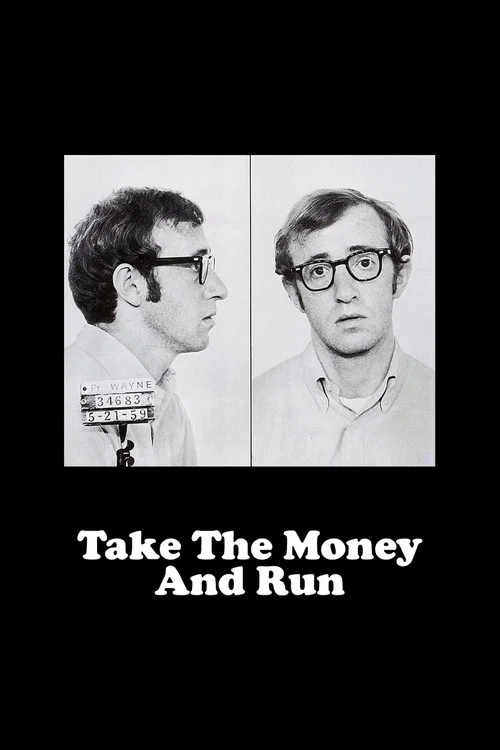
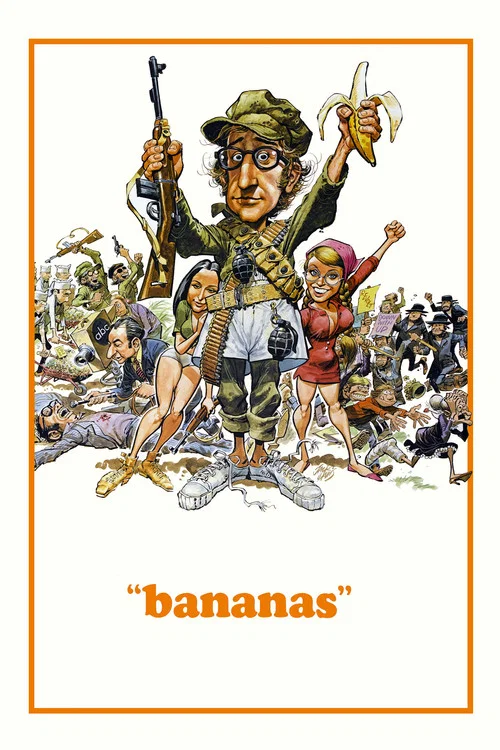
Woody Allen directed Deconstructing Harry, released in 1997. CineCode also covers Take the Money and Run (1969), Bananas (1971), Everything You Always Wanted to Know About Sex *But Were Afraid to Ask (1972), Sleeper (1973), Love and Death (1975), Annie Hall (1977).
What films are similar to Deconstructing Harry?
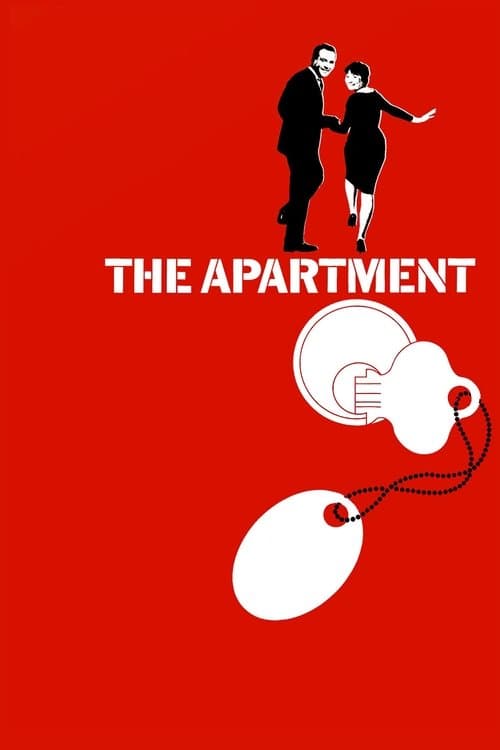
Films that share techniques with Deconstructing Harry include Life is Beautiful (1997), The Pianist (2002), The Apartment (1960), Roma (2018).