Romance · Drama · Disaster

Titanic

James Cameron, 1997

A first-class socialite and a penniless artist fall in love aboard the RMS Titanic during its doomed 1912 maiden voyage. James Cameron combined detailed historical spectacle with melodrama. The result was the highest-grossing film of its era and a defining portrait of class, love and catastrophe.

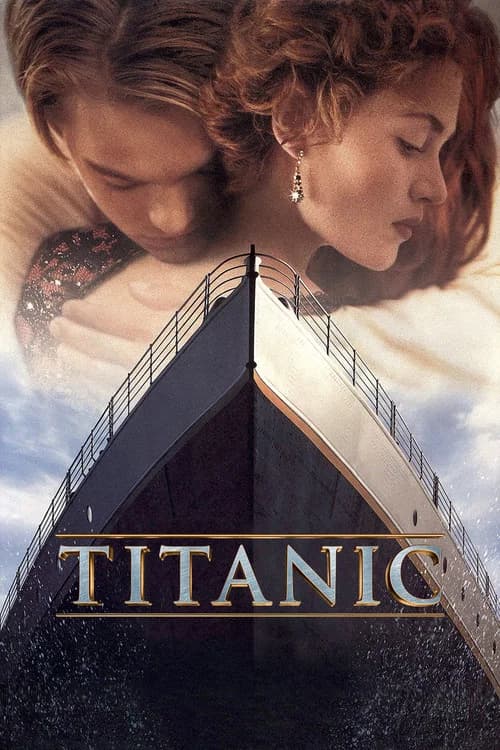
Titanic (1997) poster

At a glance

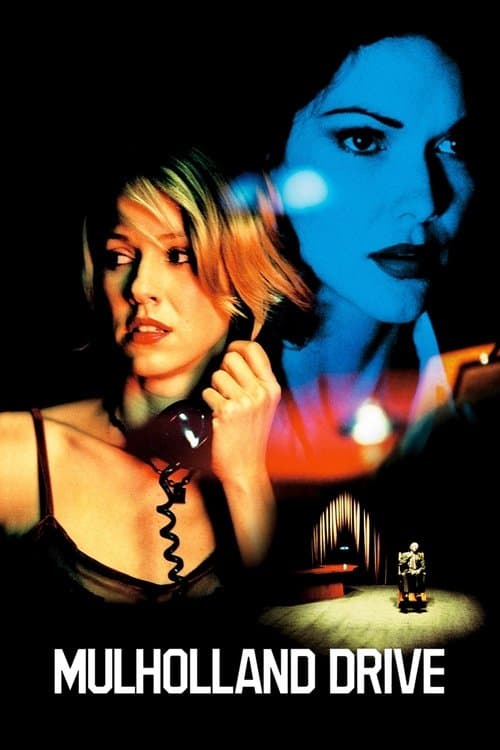
Titanic is a 1997 romance, drama and disaster film directed by James Cameron. This breakdown covers 4 techniques (1 narrative and 3 cinematography), each with the scene where you can see it. If you like how it is made, Mulholland Drive uses several of the same techniques.

Narrative

Elderly Frame Narrative

Framing the story as an old person's memory of events from decades ago. You know from the start how things ended, so even the happy memories carry some grief.

How this film uses it

The 101-year-old Rose tells the story of the sinking from a research vessel above the wreck. Because the last witness is telling it, a tragedy from the archives becomes a living memory, and the past feels present.

Where to see it

Old Rose holding the Heart of the Ocean in the present day. She drops it into the sea, which ties the treasure hunt thriller to the elegy, the film's mourning for the dead.
Cinematography

Practical Destruction

Staging large-scale destruction for real with actual structures, explosions and extras, and using no digital simulation. The chaos on screen has real weight and scale.

How this film uses it

Cameron built a nearly full-size Titanic set at his Baja California tank facility. Then he physically flooded, tilted and destroyed it. As a matter of fact, the sinking sequences have a weight and chaos that digital effects alone could not produce.

Where to see it

The stern rising vertical as the ship breaks in 2. The poop deck was a physical set on a hinge that could rise to 90 degrees in seconds, combined with scale models and digital effects.

Cinematography

Architectural Class Opposition

Contrasting the buildings and rooms different social classes live in. The powerful get large, warm spaces and the powerless get cramped or exposed ones, so you see a gap nobody says aloud.

How this film uses it

Cameron shoots the Titanic as a literal map of class, with first class on top and third class down in the hull. When the ship sinks, that layout becomes a death sentence.

Where to see it

The locked gates. Third-class passengers are trapped below decks as the water rises, and the separation of classes turns deadly.

Cinematography

Color Symbolism

Giving specific colors to characters, groups or ideas and sticking to them through the film. Each time a color appears, it tells you something beyond what is shown.

How this film uses it

The Heart of the Ocean, a vivid blue diamond, connects the romance and the catastrophe in the film. Its color echoes the sea, which defines the romance and also destroys it.

Where to see it

Rose wearing the blue diamond for the nude portrait. The object links desire, class and mortality in a single frame.

Questions

Titanic: quick answers

What filmmaking techniques does Titanic use?
CineCode breaks down 4 techniques in Titanic (1997): Elderly Frame Narrative, Practical Destruction, Architectural Class Opposition and Color Symbolism.
Who directed Titanic?
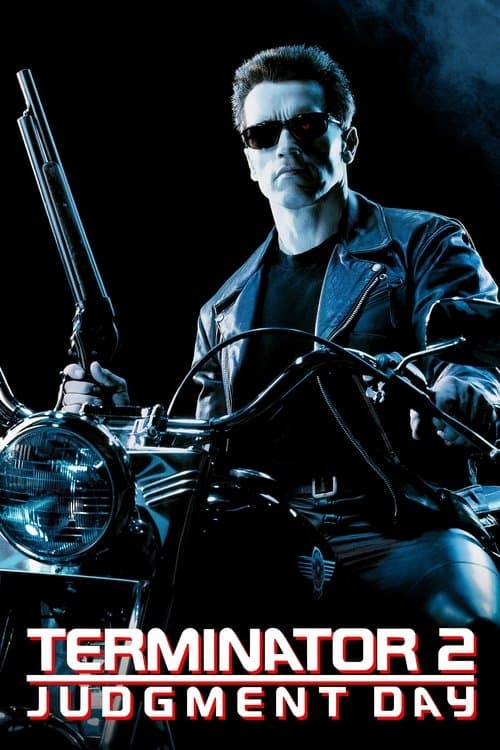
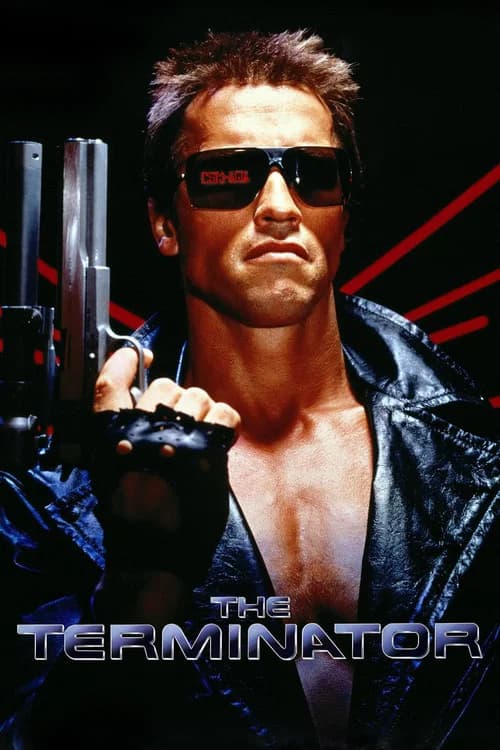
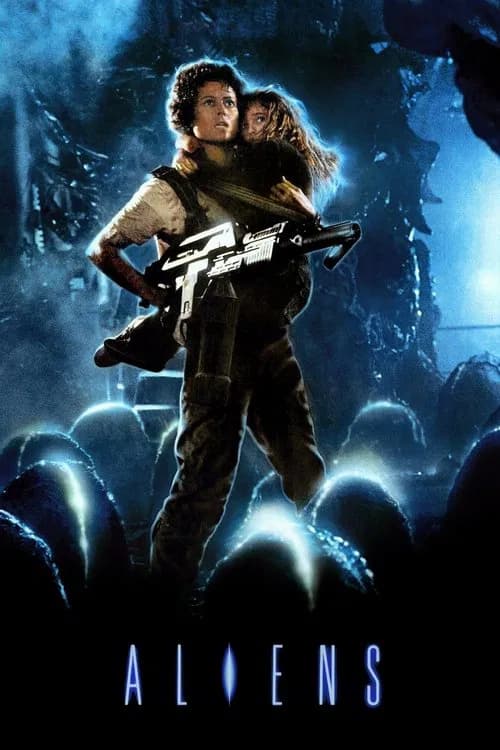
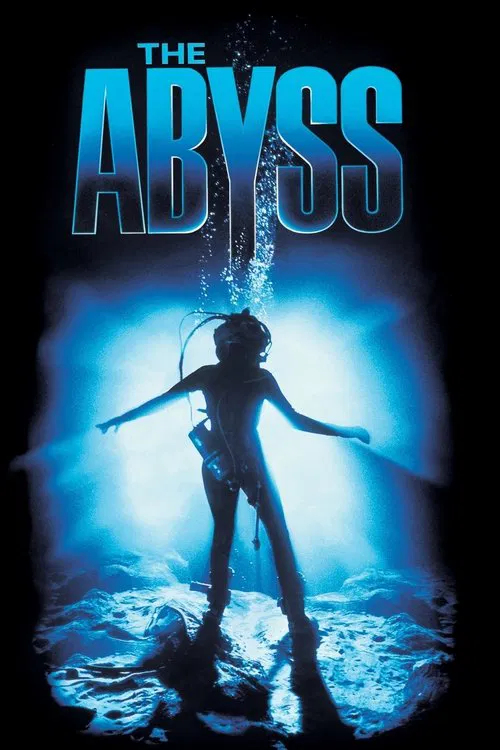
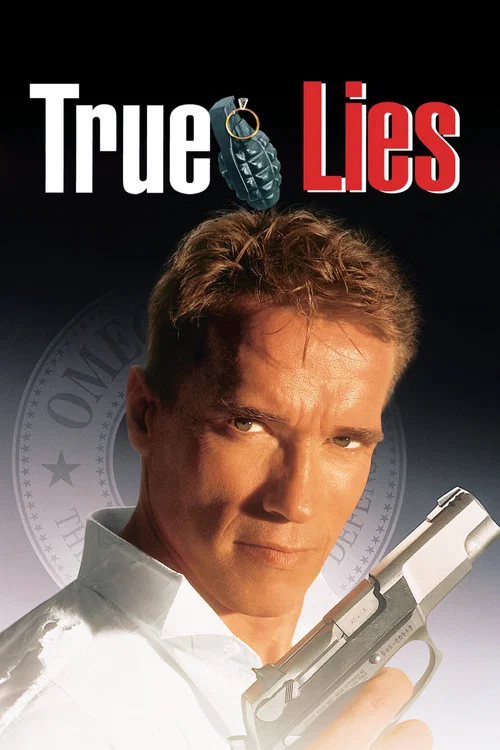
James Cameron directed Titanic, released in 1997. CineCode also covers The Terminator (1984), Aliens (1986), The Abyss (1989), Terminator 2: Judgment Day (1991), True Lies (1994), Avatar (2009).
What films are similar to Titanic?
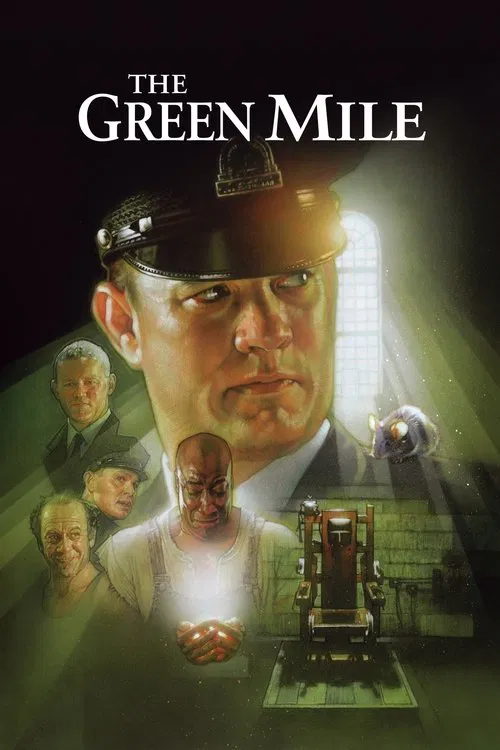
Films that share techniques with Titanic include Mulholland Drive (2001), The Dark Knight (2008), The Green Mile (1999), Terminator 2: Judgment Day (1991).