Drama · Crime · Comedy

Boogie Nights

Paul Thomas Anderson, 1997

A porn director in the San Fernando Valley discovers a teenager with an extraordinary endowment. The teenager rises to fame during the industry's golden age in the 1970s. Then, he falls apart as drugs, video and the 1980s arrive. PTA's second feature is an elegy, a kind of farewell, for a community of misfits who briefly found belonging in the wrong place.

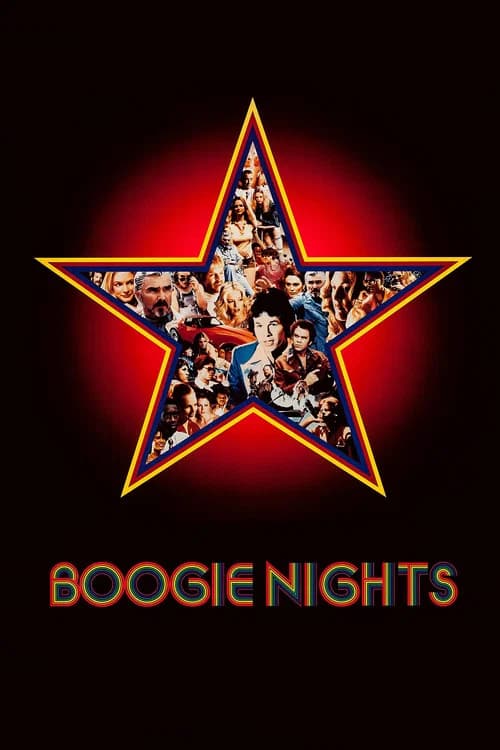
Boogie Nights (1997) poster

At a glance

Boogie Nights is a 1997 drama, crime and comedy film directed by Paul Thomas Anderson. This breakdown covers 4 techniques (1 cinematography, 1 sound and 2 narrative), each with the scene where you can see it. If you like how it is made, The Magnificent Ambersons uses several of the same techniques.

Cinematography

Tracking Shot Choreography

Moving the camera in 1 long, unbroken and carefully planned shot that follows the action through several spaces. You see how people fit into their world without a single cut.

How this film uses it

Anderson opens the film with a 3-minute shot through the nightclub on a Steadicam, a stabilized camera that glides as the operator walks. It introduces every major character in one continuous movement. The showy skill of the take tells you the film will use its ambitious style to hold a chaotic world together.

Where to see it

The opening club tracking shot. It begins outside, moves through the entrance, finds Jack Horner, tracks to the bar, finds Rollergirl and then discovers Eddie. The film's entire social world gets mapped in one unbroken movement.
Sound

Ironic Pop Music Score

Playing a cheerful or familiar pop song over violence or moral disaster. The gap between the song and the image creates dark comedy and political commentary.

How this film uses it

Anderson scores the 1970s sequences with real pop music of the era (like 'Best of My Love'). The songs are cheerful, and they play over scenes of exploitation and addiction. The decade's soundtrack ends up tied to the myth of the decade and shares in the blame for it.

Where to see it

The drug deal gone wrong at Rahad Jackson's house. 'Sister Christian', 'Jessie's Girl' and '99 Luftballons' play while the firecrackers explode and the deal collapses into violence. The bright pop music makes the disaster more horrifying.

Narrative

Character Arc Inversion

Taking a character to the opposite of where they started, such as from weak to strong or from decent to compromised. That reversal is what the film is about.

How this film uses it

Dirk Diggler's story rises and falls in a clean curve. The Valley gives him identity and belonging, and the drugs take both. Anderson builds the rise and fall with the symmetry of a classical tragedy, and he applies it to a porn star.

Where to see it

The Rahad Jackson drug deal. Dirk, Reed and Todd try to sell baking soda as cocaine, and the deal ends in a shootout that kills Todd. It is the point where Dirk's rise turns into a fall.

Narrative

Ensemble Characterization Without Backstory

Introducing a large cast only through what they say and do in the present. There are no flashbacks or explained histories, yet each character feels distinct.

How this film uses it

Anderson introduces a dozen significant characters (Rollergirl, Reed Rothchild, Little Bill, Amber Waves, etc.) and gives none of them a backstory. You know each one only by what they do in the present, in the San Fernando Valley. The community is built entirely out of behavior, with no history behind it.

Where to see it

The pool party. The whole ensemble is there. Nobody gets introduced, and relationships are set up through behavior and glances. You can see how the community is organized from how people move around each other.

Questions

Boogie Nights: quick answers

What filmmaking techniques does Boogie Nights use?
CineCode breaks down 4 techniques in Boogie Nights (1997): Tracking Shot Choreography, Ironic Pop Music Score, Character Arc Inversion and Ensemble Characterization Without Backstory.
Who directed Boogie Nights?
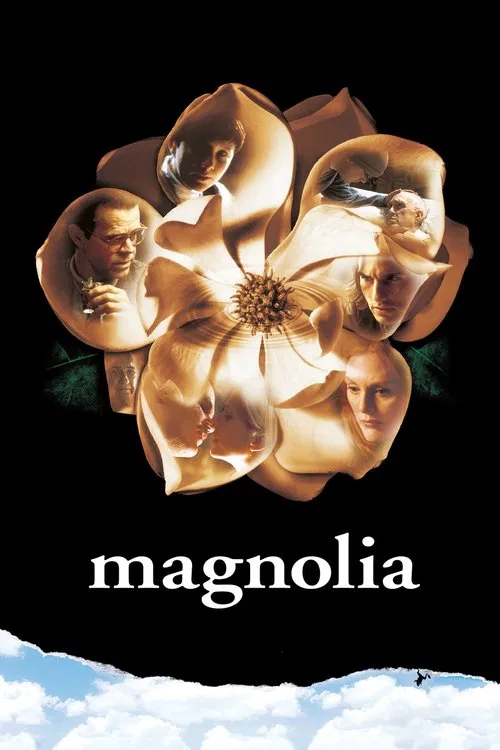
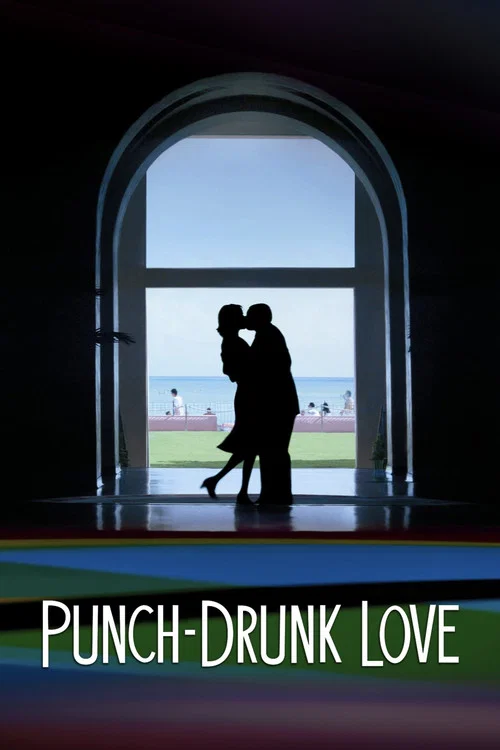
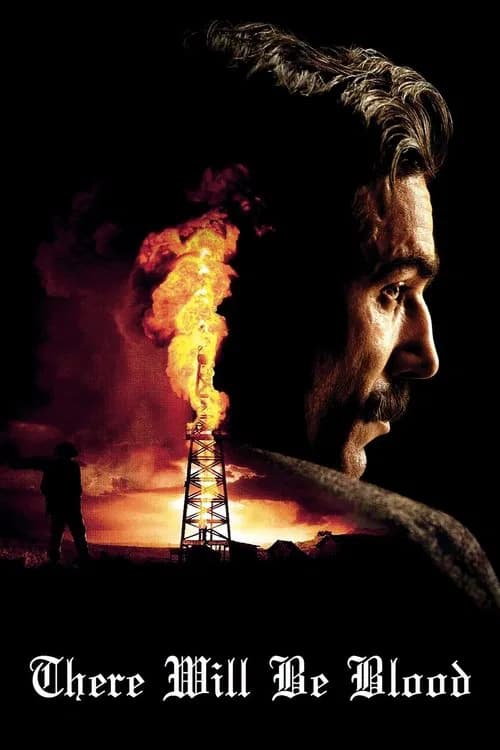
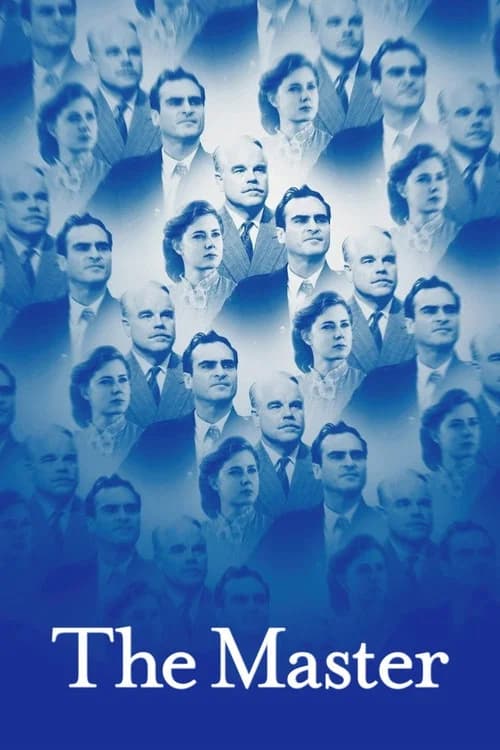
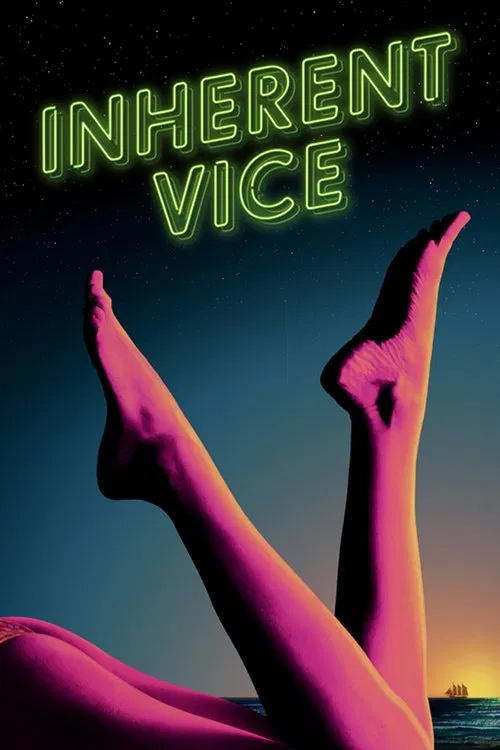
Paul Thomas Anderson directed Boogie Nights, released in 1997. CineCode also covers Hard Eight (1997), Magnolia (1999), Punch-Drunk Love (2002), There Will Be Blood (2007), The Master (2012), Inherent Vice (2014).
What films are similar to Boogie Nights?
Films that share techniques with Boogie Nights include The Magnificent Ambersons (1942), Outlaw King (2018), The Godfather (1972), 12 Angry Men (1957).