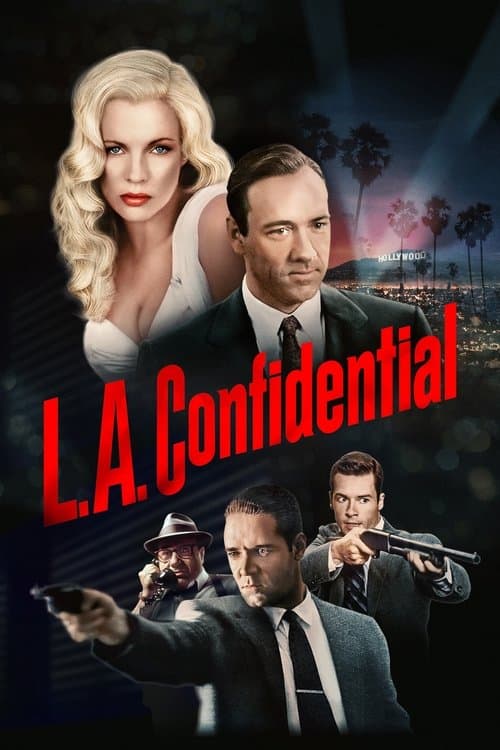
L.A. Confidential
Curtis Hanson · 1997
Three Los Angeles detectives with conflicting methods — a brutal enforcer, an ambitious opportunist, and a straight-arrow idealist — converge on a conspiracy connecting a celebrity tabloid, a prostitution ring, and a massacre at an all-night diner. Curtis Hanson's neo-noir is a love letter to and indictment of 1950s Los Angeles.
Techniques Used
4 techniques identified in this film
Triangulated Moral Ambiguity
NarrativeA three-way structural arrangement in which each character represents a different moral position, preventing any single perspective from claiming the high ground.
How this film uses it
Bud White, Jack Vincennes, and Ed Exley begin the film as moral opposites — brute force, corruption, and principle — and are each revealed to be wrong in complementary ways before the case forces them into uneasy alliance.
Chiaroscuro Lighting
CinematographyA high-contrast lighting style that uses deep shadows alongside bright highlights to create moral ambiguity and visual tension.
How this film uses it
Dante Spinotti's photography gives 1950s Los Angeles the visual grammar of classic noir — golden sunlight over suburban streets, deep shadow inside the corruption beneath — making the city look exactly like the lie it is selling.
Period Color Separation
CinematographyThe use of warm, desaturated color palettes to evoke a specific historical era while lending emotional distance to events.
How this film uses it
The film's amber and gold palette positions 1953 Los Angeles as a world poised between the 1940s noir it references and the corruption it will become — the color grade making the decade feel like a beautiful lie already beginning to yellow.
Multiple Resolution Structure
NarrativeA narrative architecture in which multiple plotlines require separate resolutions, each arriving at a different moral conclusion.
How this film uses it
Each detective's arc resolves differently — Exley survives with his career intact but morally compromised, Bud survives but leaves, Vincennes is dead — refusing the single triumphant ending that noir usually provides.
You Might Also Like
Films that share at least one technique with L.A. Confidential
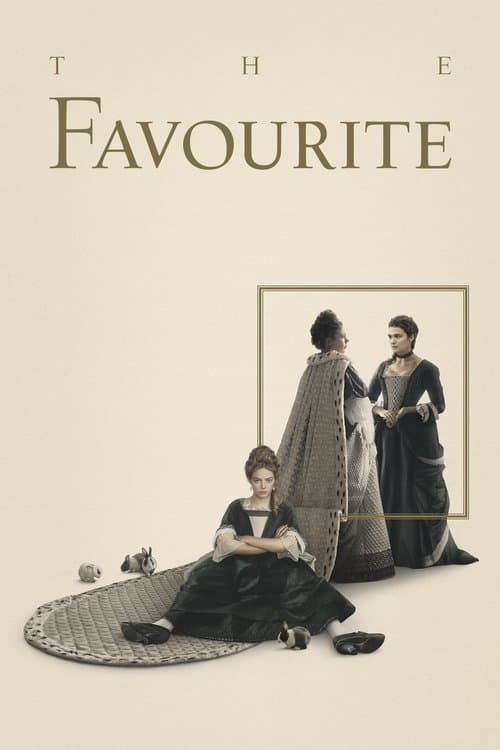
In early 18th-century England, two cousins compete for the affection and political influence of the ailing Queen Anne, using seduction, sabotage, and cruelty as their instruments. Lanthimos's most accessible film strips historical drama down to its essential power dynamics.
The Favourite
Yorgos Lanthimos · 2018
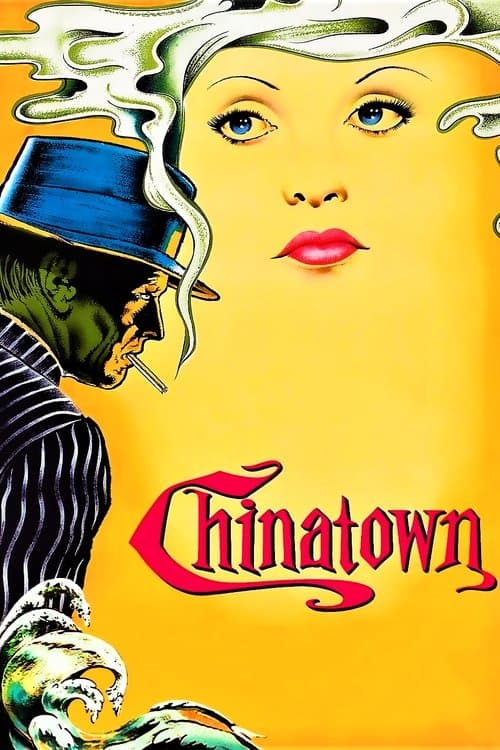
Los Angeles private detective J.J. Gittes uncovers a vast conspiracy around the city's water supply while investigating a seemingly routine adultery case, only to find himself drawn into crimes far beyond his understanding. The film is a landmark of neo-noir pessimism in which knowledge leads only to ruin.
Chinatown
Roman Polanski · 1974
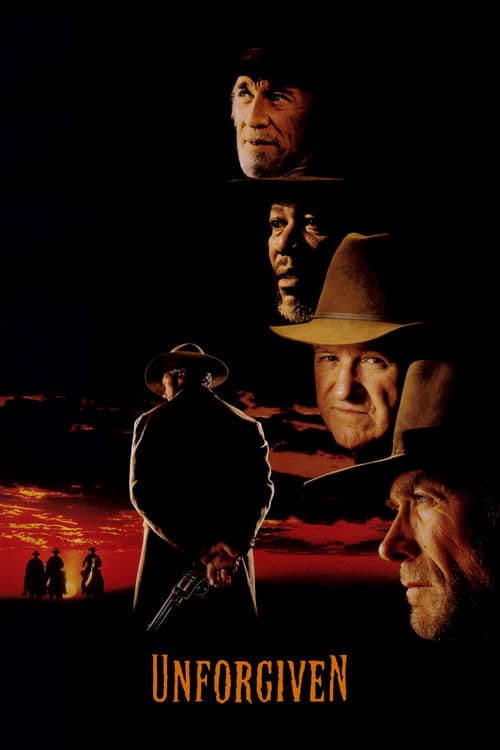
A retired outlaw and pig farmer reluctantly takes on one last bounty job after two cowboys mutilate a prostitute, only for the escalating violence to strip away the mythologies of the Old West entirely. Eastwood's film is the Western genre turned against itself.
Unforgiven
Clint Eastwood · 1992