Narrative technique · used in 23 films

Autobiographical Distance

Drawing on the filmmaker's own life but keeping it at arm's length, often through a fictional stand-in. The result is precise and unsentimental, and it can question how memory flatters us.

Examples

23 films that use it

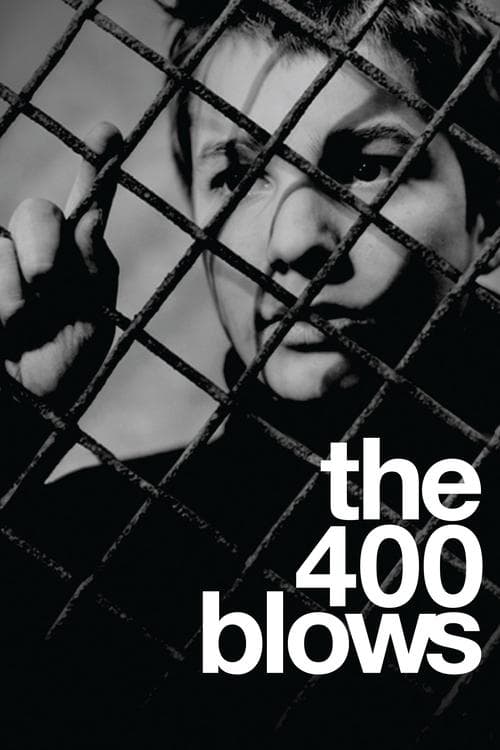
  1. The 400 Blows (1959) poster

    The 400 Blows

    François Truffaut · 1959

    Antoine Doinel is Truffaut with very little changed. The indifferent stepfather, the reform school and the love of cinema are all his. Turning it into fiction lets Truffaut watch his childhood self more clearly than a straight memoir would allow. I feel like the distance makes him more honest, when it could have just protected him.

    Where to see it: The interview with the psychologist at the observation center. Antoine tells his story in a fragmented series of monologues. Here the gap between the director and the character is at its thinnest.
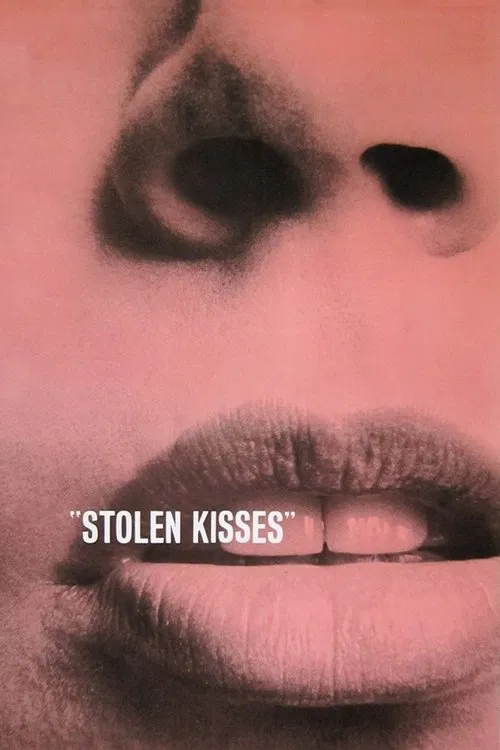
  2. Stolen Kisses (1968) poster

    Stolen Kisses

    François Truffaut · 1968

    Antoine carries over from Truffaut's earlier film about a boy who feels unwanted. Here he is a young man who reads novels and writes long letters to a girl. Truffaut watches him with fondness, and he never lets Antoine look like a hero.

    Where to see it: The army discharge. Antoine is let go as unfit because he prefers reading and writing to Christine over obeying orders.

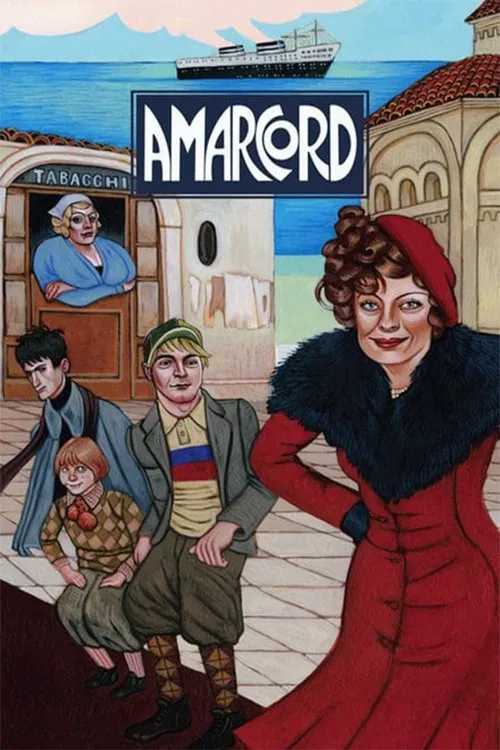
  3. Amarcord (1973) poster

    Amarcord

    Federico Fellini · 1973

    Fellini draws on his Rimini boyhood but never plays it as a plain memoir. The town is exaggerated, funny and lightly mocking, as memory tends to be.

    Where to see it: The bonfire at the start of spring: the whole village gathers to burn an effigy, a ritual remembered as a comic spectacle.

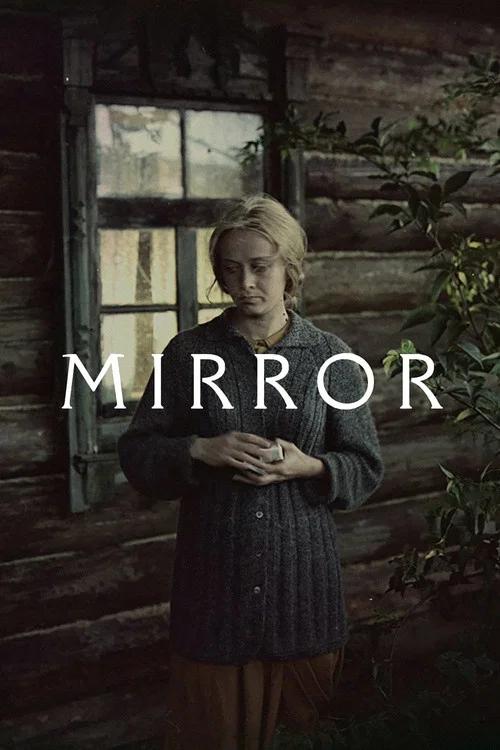
  4. Mirror (1975) poster

    Mirror

    Andrei Tarkovsky · 1975

    The adult poet, Aleksei, never shows his face. We hear him but mostly see his memories. The film draws on Tarkovsky's own life, but it keeps a distance from him.

    Where to see it: The poet's voice. Tarkovsky's father, Arseny, recites his own poems in voiceover throughout.

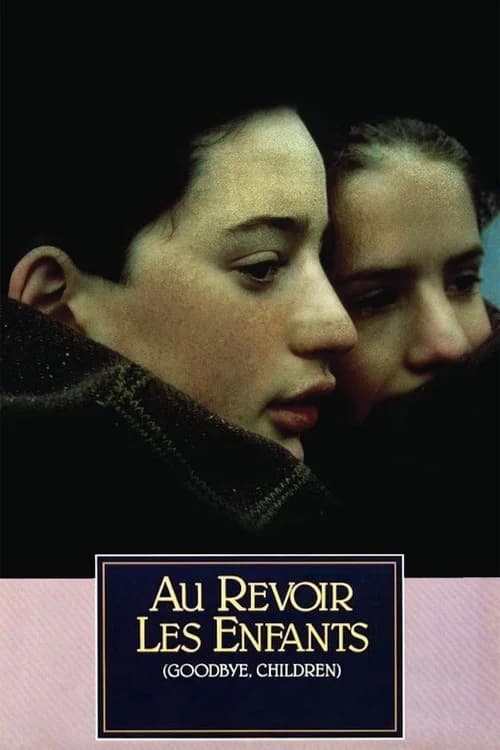
  5. Au Revoir les Enfants (1987) poster

    Au Revoir les Enfants

    Louis Malle · 1987

    Malle puts himself into Julien, the Catholic boy. Julien betrays his friend by accident, and that moment haunted Malle for 40 years. Telling it as fiction lets him go back into his childhood guilt more honestly than a direct confession might allow.

    Where to see it: The film's closing narration. Malle's words are: 'More than forty years have passed, but I will remember every second of that January morning until the day I die'.

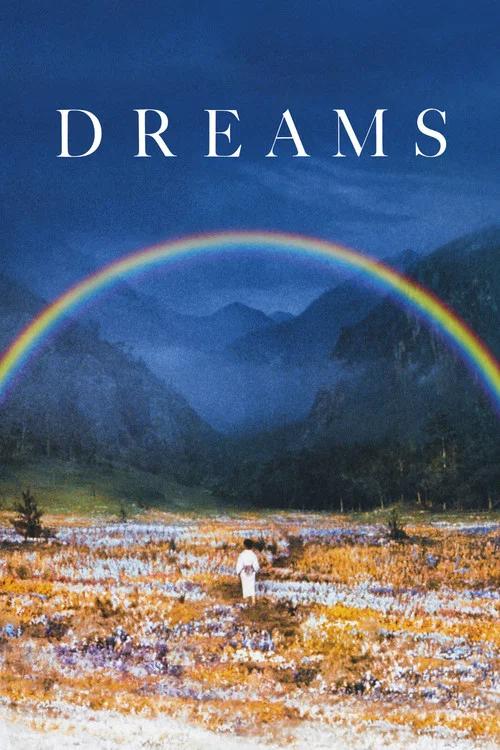
  6. Dreams (1990) poster

    Dreams

    Akira Kurosawa · 1990

    The man in each dream is Kurosawa's stand-in. The crew built a copy of his childhood home for the first segment, with Kurosawa written on the gate. He tells you these are his dreams and still keeps you at a careful distance.

    Where to see it: The Peach Orchard. A boy mourns his family's cut-down peach trees, and their spirits dance to give him one last look at the orchard in bloom.

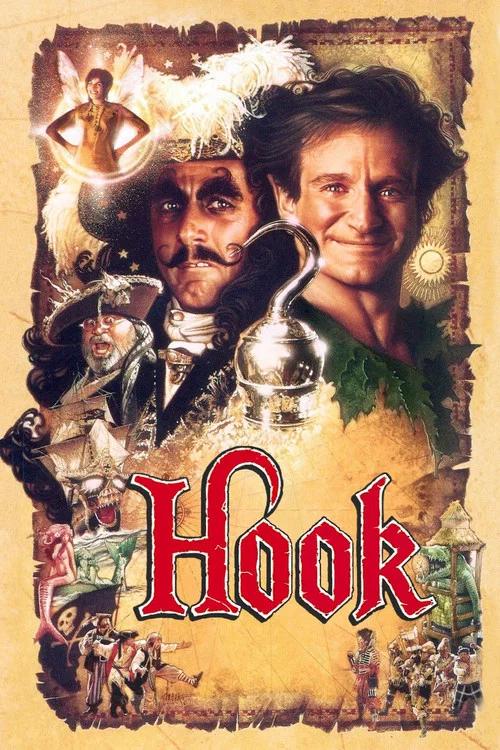
  7. Hook (1991) poster

    Hook

    Steven Spielberg · 1991

    Spielberg has said the film draws on his own feelings about childhood and his relationship with his father. He puts those feelings into Peter, a father who is too busy for his kids. One reading is that Peter is a stand-in for the filmmaker's worries.

    Where to see it: The early scenes with Peter and his kids. Jack is hurt by his father's broken promises.

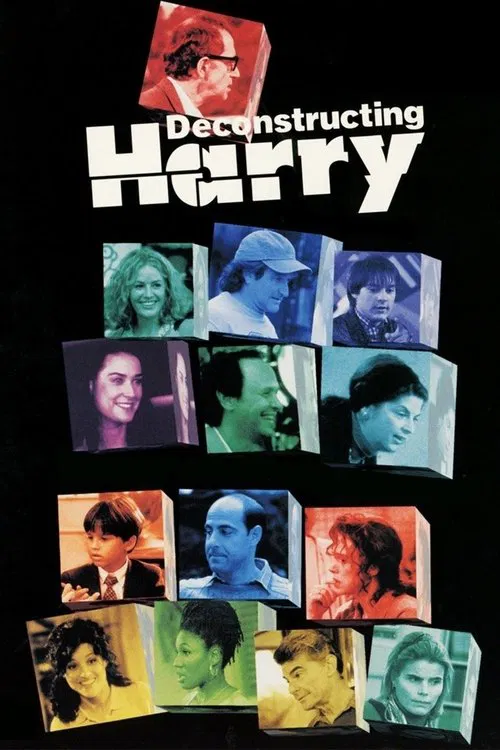
  8. Deconstructing Harry (1997) poster

    Deconstructing Harry

    Woody Allen · 1997

    Harry Block is a writer who pulls from his life for his books, and the film is built around that habit. Allen plays Harry himself, which invites you to compare the two. You see the work and the mess it came from, side by side.

    Where to see it: Lucy on the roof. Lucy has read Harry's novel about their affair, and she confronts him with a gun.

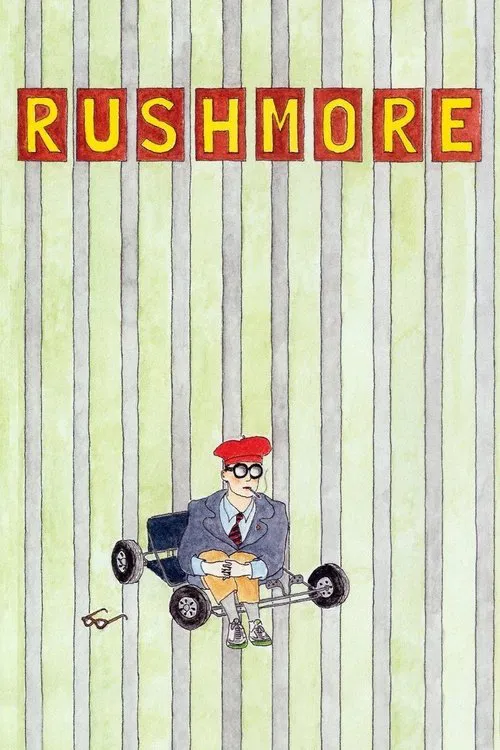
  9. Rushmore (1998) poster

    Rushmore

    Wes Anderson · 1998

    Anderson and co-writer Owen Wilson drew on their own school years. Wilson was expelled from St. Mark's School of Texas, and Anderson's own school, St. John's, served as Rushmore Academy. The film keeps that memory at arm's length by giving it to a boy who is oddly sure of himself.

    Where to see it: Rushmore Academy: Max is a scholarship student who runs many activities and struggles in class.

  10. The Pianist (2002) poster

    The Pianist

    Roman Polanski · 2002

    Polanski himself survived the Kraków Ghetto as a child. He refuses the emotional habits of most Holocaust films, so nobody is redeemed and there is no story of hope. There is only survival, shown as a plain animal fact. That holding back comes from someone who was there.

    Where to see it: The film's final scene. Szpilman returns to the concert stage, and the camera does not linger on the triumph.

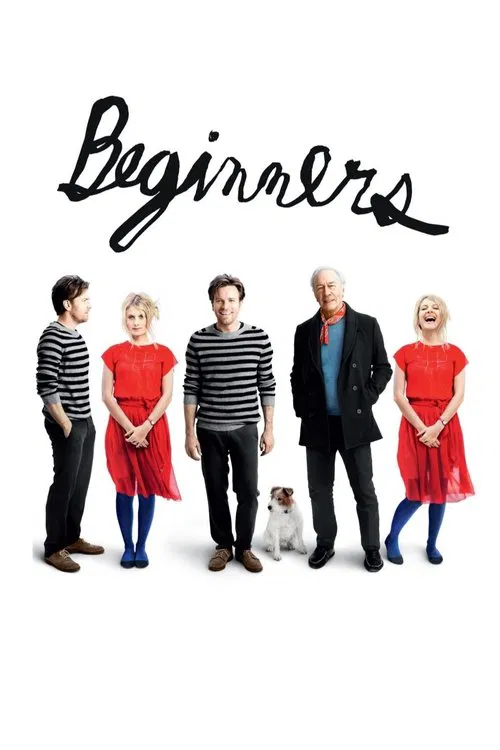
  11. Beginners (2011) poster

    Beginners

    Mike Mills · 2011

    Mike Mills has said the story comes from his own father coming out late in life. He makes the film through a stand-in, Oliver, which lets him look at the memories honestly without turning them into a speech. The details feel specific and unforced.

    Where to see it: Hal's announcement: six months after his wife Georgia dies, Hal tells Oliver he is gay. He then explores life as an openly gay man at 75.

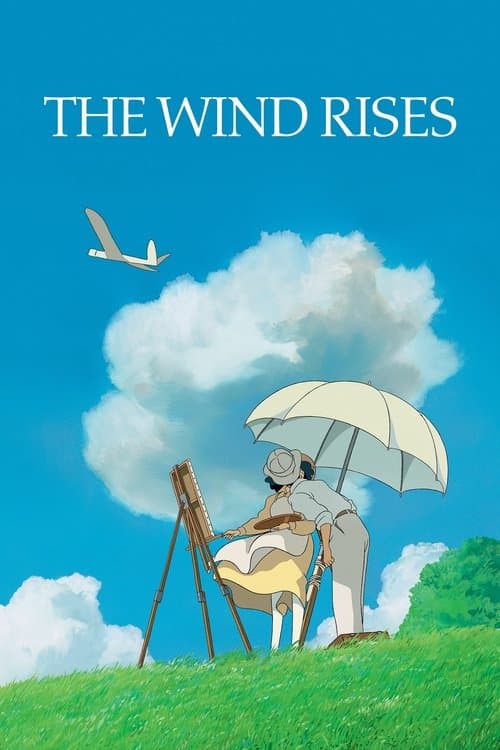
  12. The Wind Rises (2013) poster

    The Wind Rises

    Hayao Miyazaki · 2013

    Miyazaki has spoken of the film as a self-portrait. It's about the artist who creates beautiful things knowing they will be used for destruction. The dream of flight can't be separated from the military purpose that pays for it. The historical Horikoshi lets the animator ask his own questions about what art costs.

    Where to see it: Jiro's recurring dream conversations with Caproni. The Italian engineer appears across time as a mentor and someone to talk things through with. These dream sequences are where Miyazaki most directly thinks about the artist's responsibility.

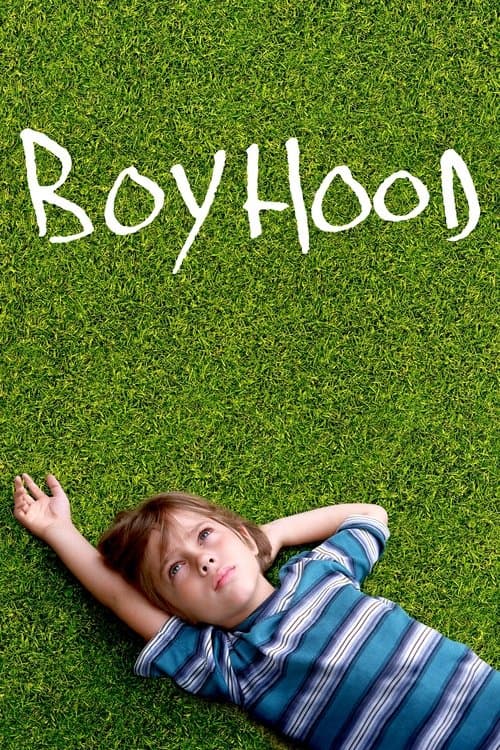
  13. Boyhood (2014) poster

    Boyhood

    Richard Linklater · 2014

    Linklater watches Mason's childhood without nostalgia or sentimentality. Dull moments stay dull and painful ones stay painful. He makes neither kind bigger or smaller than it was.

    Where to see it: The scene where Mason and Samantha watch their parents argue from a window. The film keeps an observer's distance where you might expect to share a child's terror.

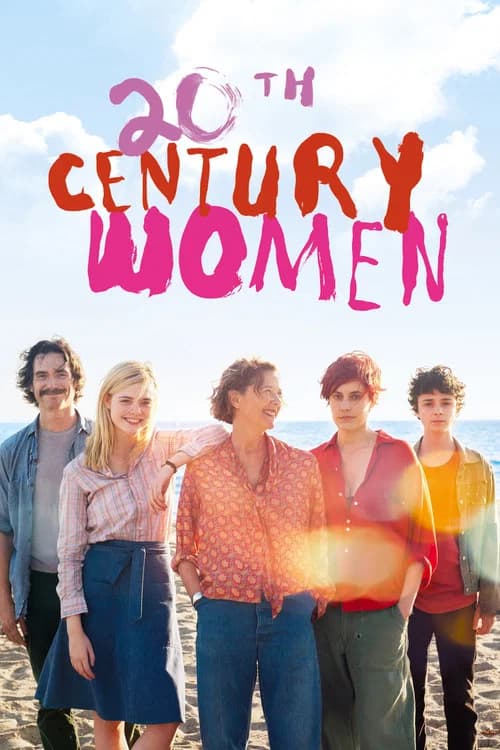
  14. 20th Century Women (2016) poster

    20th Century Women

    Mike Mills · 2016

    Mills puts himself into Jamie, the 15-year-old son trying to understand women he loves but can't fully know. Turning it into fiction lets him honor the women who raised him without claiming to fully understand them.

    Where to see it: Jamie's voiceover admitting that even though he loved Dorothea, he never fully understood her. Mills can only admit this about his own life because it is told as fiction. The film is honest about its own limits.

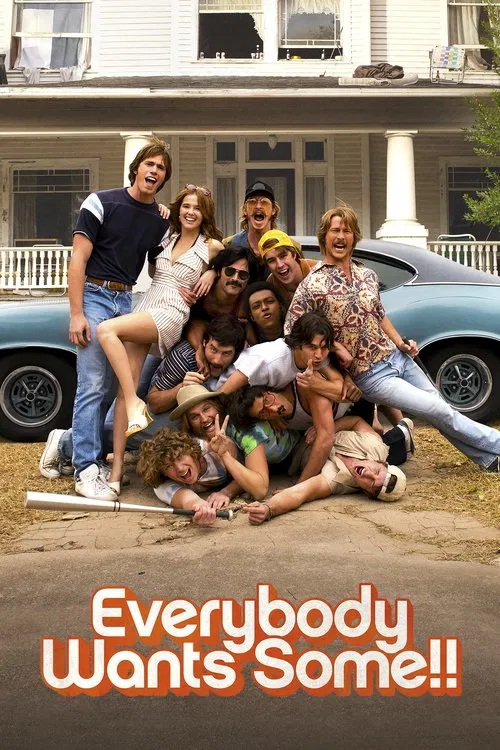
  15. Everybody Wants Some!! (2016) poster

    Everybody Wants Some!!

    Richard Linklater · 2016

    Linklater based the film on his own years playing baseball at Sam Houston State University. He puts that memory through Jake, a fictional freshman, and treats it with affection and a bit of teasing. Nothing is made bigger or sadder than it was.

    Where to see it: The first day of class: Jake and Plummer settle in as a history professor writes "Frontiers are where you find them" on the board, and both fall asleep.

  16. Lady Bird (2017) poster

    Lady Bird

    Greta Gerwig · 2017

    Gerwig insists Lady Bird isn't autobiographical. Still, she sets the film in her hometown, in the early 2000s when she was a teenager. Calling it fiction lets her love Sacramento and criticize it at once.

    Where to see it: Lady Bird calling her neighborhood the wrong side of the tracks. That is how a teenager maps her town, and it is moving because the film looks back as an adult.

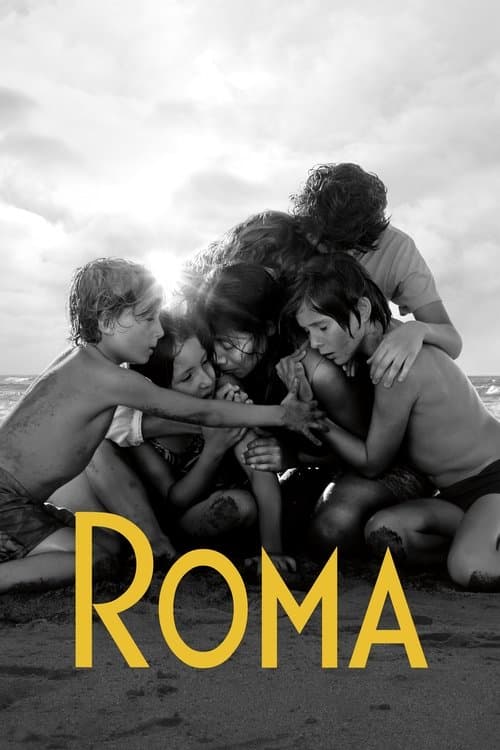
  17. Roma (2018) poster

    Roma

    Alfonso Cuarón · 2018

    Cuarón is the privileged child in this film, and Cleo is the domestic worker he remembers. Even so, the film is centered on her. That gap creates an ethical problem, and the film admits it. Can the director truthfully tell the story of someone whose inner life he could not see as a child?

    Where to see it: The beach rescue sequence. Cleo saves the children even though she can't swim. The family is grateful, but their thanks can't match what she has done for them.

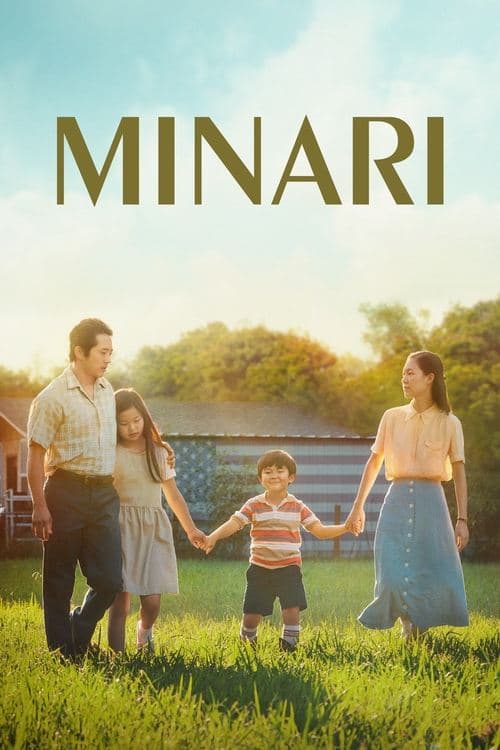
  18. Minari (2020) poster

    Minari

    Lee Isaac Chung · 2020

    Chung puts himself into David, a small boy with a heart condition. David watches his parents' marriage strain under the pressures of immigration and ambition. Seeing the adults' conflict through a child's eyes makes it feel both innocent and morally serious.

    Where to see it: David tasting the minari his grandmother has planted by the creek. The minari is the film's central symbol of an identity that is moved to new ground and survives. You come to it through a child's open pleasure.

  19. Belfast (2021) poster

    Belfast

    Kenneth Branagh · 2021

    Branagh puts himself into Buddy, a boy who understands that something terrible is happening but doesn't fully get why. Seeing it through a child makes the sectarian violence feel both specific and universal.

    Where to see it: Buddy watching the first night of riots and asking what it means. The film's distance comes from the gap between his innocence and the adults' fear.

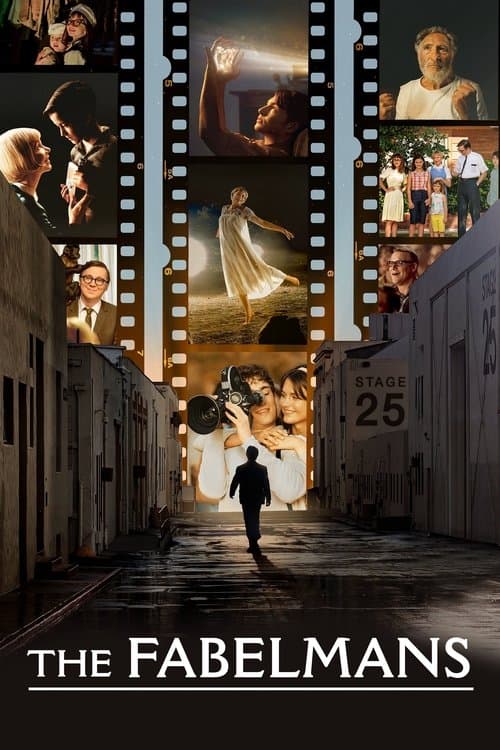
  20. The Fabelmans (2022) poster

    The Fabelmans

    Steven Spielberg · 2022

    Spielberg films his own childhood under different names. Turning it into fiction gives him the distance he needs to look at painful material. The Fabelmans is more honest about his parents' marriage, and about his own part in the family's problems, than an autobiography could be. That is, the fiction is how he gets to the truth.

    Where to see it: Sammy discovering his mother's affair through the footage he shot. Spielberg examines a wound from his own life through the act of filmmaking. Making it fiction is what lets him face it.

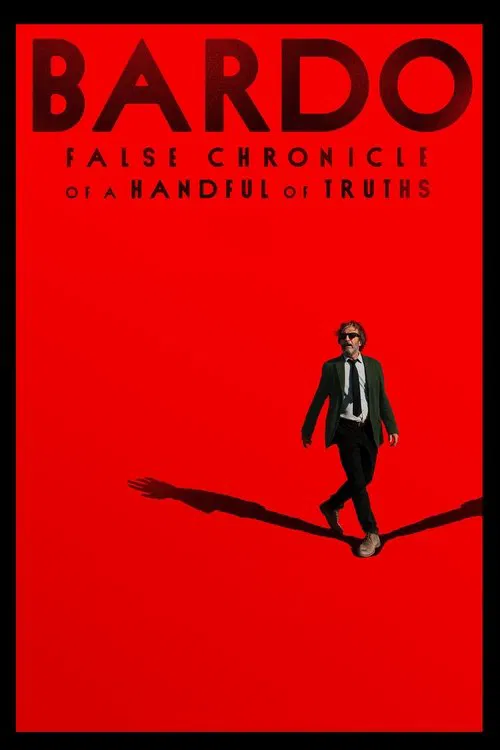
  21. BARDO, False Chronicle of a Handful of Truths (2022) poster

    BARDO, False Chronicle of a Handful of Truths

    Alejandro G. Iñárritu · 2022

    Silverio is a Mexican artist working in the United States, and many viewers read him as a stand-in for Iñárritu himself. The film keeps some distance by making him a documentary maker and by mocking him. His pride and doubt both get exposed.

    Where to see it: The talk-show insult. After a talk show host criticizes his work, Silverio insults the host.

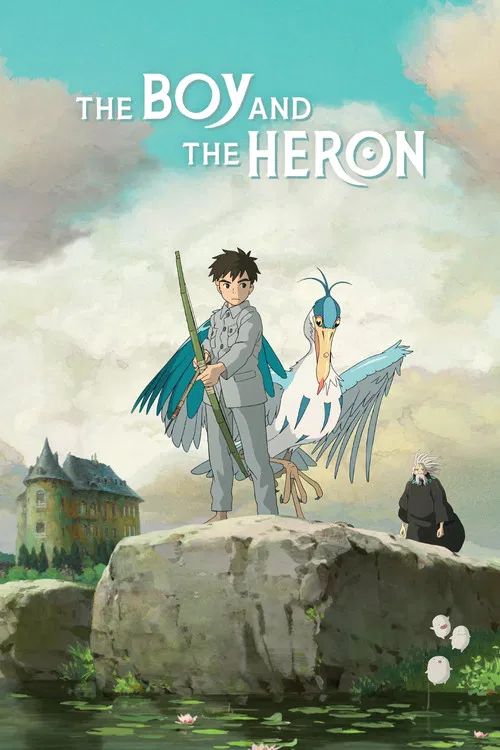
  22. The Boy and the Heron (2023) poster

    The Boy and the Heron

    Hayao Miyazaki · 2023

    Mahito grieves for his mother and gets to know the old man who built the tower. Most people read both as Miyazaki thinking about his own career. That is, what he inherited from his mentors and who will carry on after him.

    Where to see it: The old architect asking Mahito to be his heir. He wants Mahito to keep building the tower, and you can hear Miyazaki's own questions about succession and legacy in the scene.

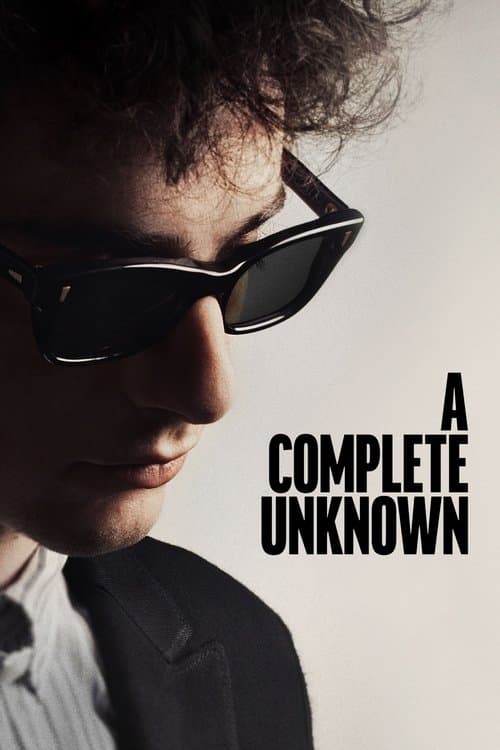
  23. A Complete Unknown (2024) poster

    A Complete Unknown

    James Mangold · 2024

    Mangold works loosely from Elijah Wald's book Dylan Goes Electric! and from his own conversations with Dylan. The film compresses timelines and invents some scenes and characters. That keeps the portrait from turning into hagiography, meaning pure worship of its subject, and the film is more useful for it.

    Where to see it: The film's refusal to explain Dylan's motivations. He dodges and contradicts himself, and the film treats that as who he is. Nobody tries to resolve it.

Questions

Quick answers

What is autobiographical distance in film?
Drawing on the filmmaker's own life but keeping it at arm's length, often through a fictional stand-in. The result is precise and unsentimental, and it can question how memory flatters us.
Which films use autobiographical distance?
The 400 Blows (1959), Stolen Kisses (1968), Amarcord (1973), Mirror (1975), Au Revoir les Enfants (1987), Dreams (1990) and 17 more films in the CineCode library.
What kind of technique is autobiographical distance?
It is a narrative technique. Related narrative techniques include Observational Restraint, Dream Logic Structure, Character Arc Inversion.