Comedy · War · Romance

Love and Death

Woody Allen, 1975

In Napoleonic-era Russia, the scrawny pacifist Boris Grushenko loves his cousin Sonja, is drafted and becomes a war hero by accident. Together they plot to assassinate Napoleon. The film spoofs Russian novels and classics like The Seventh Seal. Watch how Woody Allen mixes slapstick with big questions about God and death.

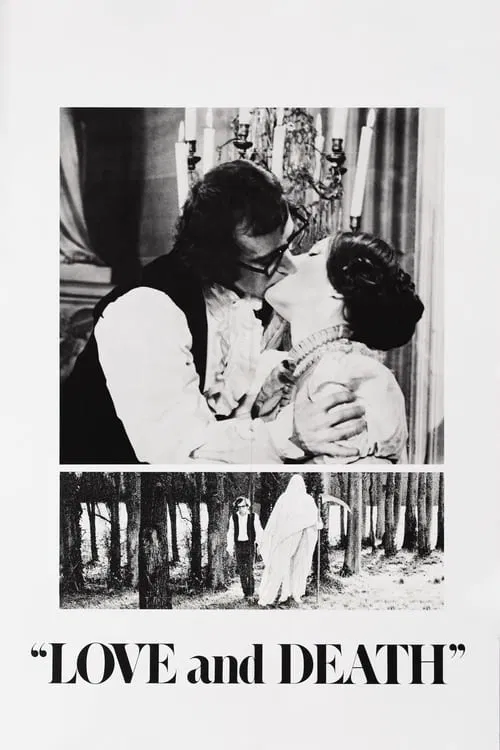
Love and Death (1975) poster

At a glance

Love and Death is a 1975 comedy, war and romance film directed by Woody Allen. This breakdown covers 5 techniques (3 narrative, 1 sound and 1 cinematography), each with the scene where you can see it. If you like how it is made, Manhattan uses several of the same techniques.

Narrative

Retrospective Voiceover

Having a narrator tell the story from some point after it happened. The events feel like memory, and you sense early on that something will be lost.

How this film uses it

The film opens with Boris awaiting execution for a crime he did not commit, narrating how he got there. His execution time even slips from 5 am to 6 am. You know the ending early, so every foolish choice has a gallows-humor shadow.

Where to see it

The opening cell: Boris waits to be executed and narrates how he ended up there.
Narrative

Death as Personified Interlocutor

Turning death into a character who can be spoken to, argued with and played against. Abstract questions about mortality become a face-to-face dramatic scene.

How this film uses it

Sonja sees Boris's ghost outside her window, standing with Death. Boris gives a speech about God, death and love, then dances away with Death. Death becomes a character you can speak to, and a big question gets a face.

Where to see it

The ghost and Death: Sonja sees Boris's ghost with Death outside her window, and Boris dances off with Death.

Sound

Classical Music as Score

Using existing classical pieces as the soundtrack, with no newly composed score. The music brings its own history, cultural weight and emotion into the film.

How this film uses it

Prokofiev's music runs through the score, including 'Troika' and the battle music from Alexander Nevsky. The solemn music sits under clumsy comic scenes, which makes the jokes land harder.

Where to see it

The Napoleon plot: Sonja plans to assassinate Napoleon at his Moscow headquarters and Boris reluctantly agrees.

Cinematography

Silent Comedy Homage

Borrowing the physical comedy of silent films, such as pratfalls, precisely timed gags and expressive body language. It is a nod to where cinema came from.

How this film uses it

Allen pays tribute to the Marx Brothers, Bob Hope and Charlie Chaplin. The cannon scene is built like a silent gag: a small man, a big machine and a very bad idea.

Where to see it

The cannon: Boris falls asleep inside a cannon that fires into the French command tent, and he becomes an accidental war hero.

Narrative

Parody and Pastiche

Imitating a known genre, author or famous scene with affection or mockery, so the audience's familiarity with the original drives the humor and the commentary.

How this film uses it

The dialogue parodies Dostoyevsky and Tolstoy. Characters argue about God, death and love in solemn voices and then undercut themselves with a joke. You enjoy the debate and laugh at how seriously everyone takes it.

Where to see it

Sonja and Natasha: Sonja shares her philosophical views on love and suffering with her friend Natasha Petrovna.

Questions

Love and Death: quick answers

What filmmaking techniques does Love and Death use?
CineCode breaks down 5 techniques in Love and Death (1975): Retrospective Voiceover, Death as Personified Interlocutor, Classical Music as Score, Silent Comedy Homage and Parody and Pastiche.
Who directed Love and Death?
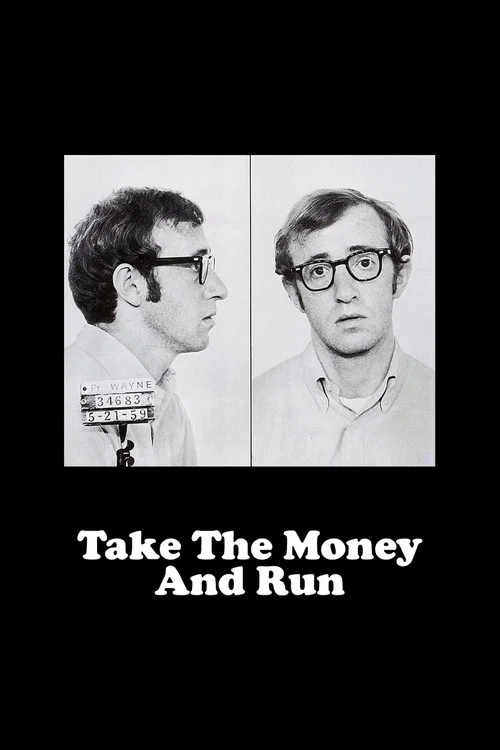
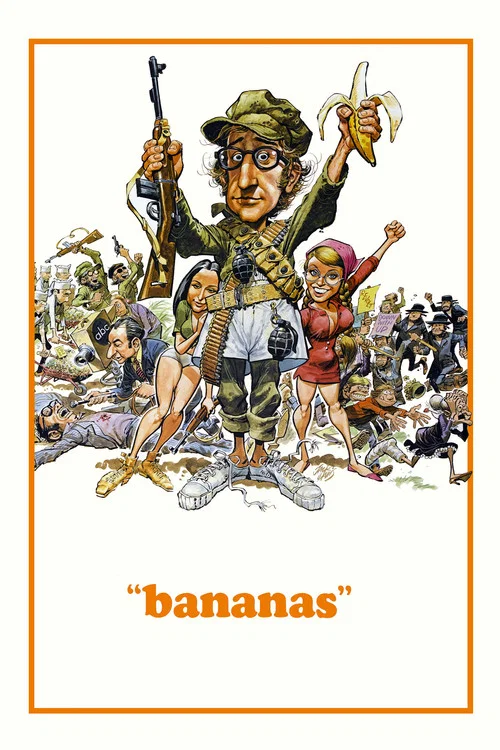
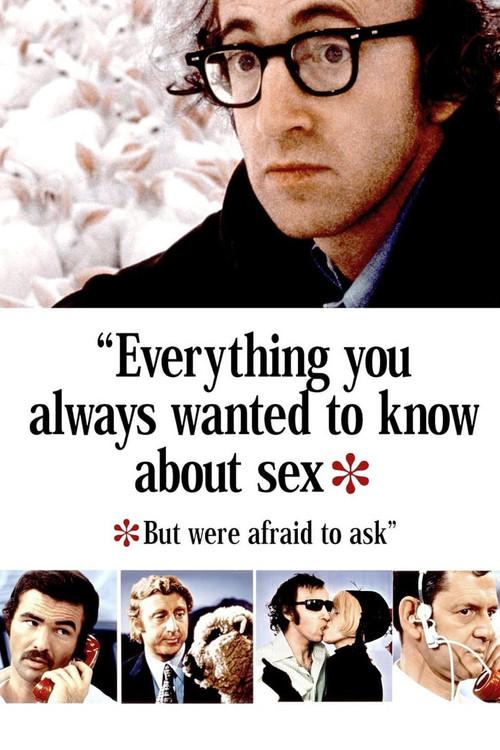
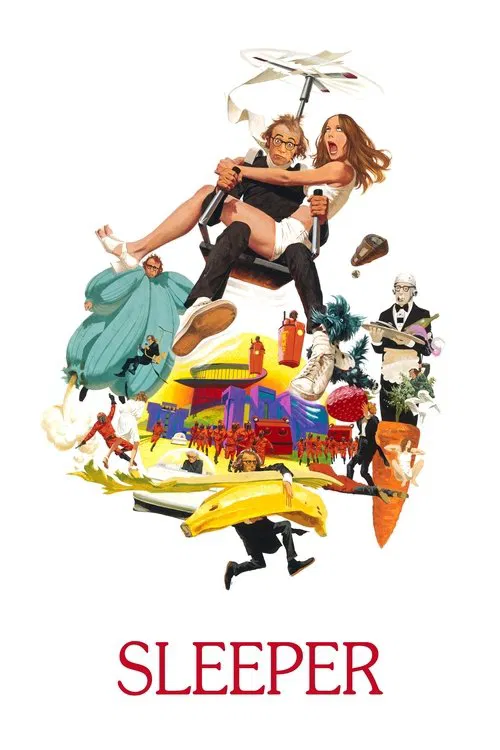
Woody Allen directed Love and Death, released in 1975. CineCode also covers Take the Money and Run (1969), Bananas (1971), Everything You Always Wanted to Know About Sex *But Were Afraid to Ask (1972), Sleeper (1973), Annie Hall (1977), Manhattan (1979).
What films are similar to Love and Death?
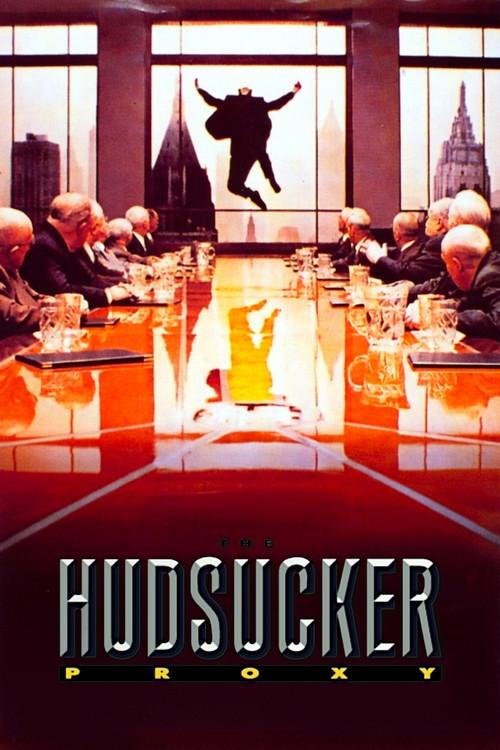
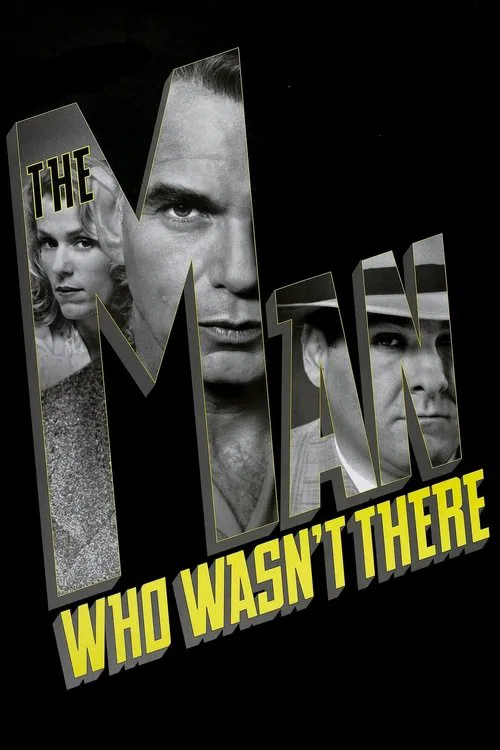
Films that share techniques with Love and Death include Manhattan (1979), Raising Arizona (1987), The Hudsucker Proxy (1994), The Man Who Wasn't There (2001).