Science Fiction · Comedy

Sleeper

Woody Allen, 1973

Jazz musician Miles Monroe goes into the hospital for a routine ulcer operation in 1973 and is frozen after it goes wrong. Rebels revive him in 2173, and he disguises himself as a robot and gets mixed up in a plot against the Leader. Watch how Woody Allen mixes slapstick with a future built from today's trends.

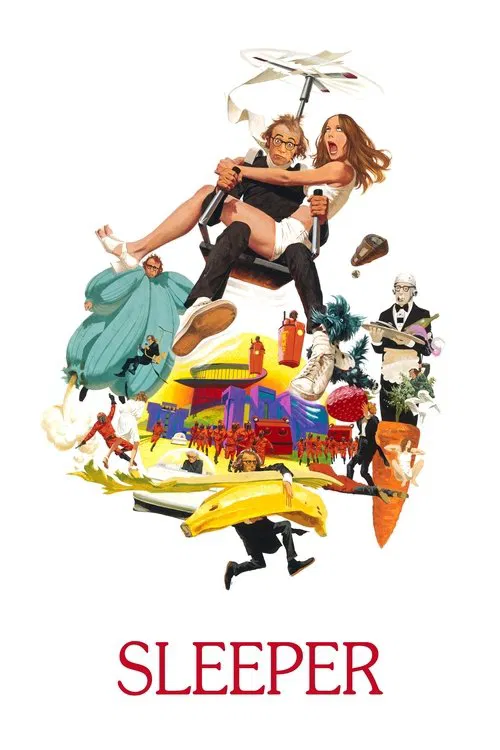
Sleeper (1973) poster

At a glance

Sleeper is a 1973 science fiction and comedy film directed by Woody Allen. This breakdown covers 4 techniques (2 narrative, 1 cinematography and 1 sound), each with the scene where you can see it. If you like how it is made, WALL-E uses several of the same techniques.

Narrative

Fish-Out-of-Water Comedy

Dropping a character into a world whose social rules they don't understand. The comedy, and some insight too, comes from the constant mismatch between them and everyone around them.

How this film uses it

Miles wakes 200 years after his operation in a society he does not understand, and the authorities have no record of him. To escape, he pretends to be a robot, which means acting like something he is not in a place that is already strange. The mismatch makes every scene funnier.

Where to see it

The robot disguise: Miles disguises himself as a robot and is assigned as butler to socialite Luna Schlosser.


Cinematography

Silent Comedy Homage

Borrowing the physical comedy of silent films, such as pratfalls, precisely timed gags and expressive body language. It is a nod to where cinema came from.

How this film uses it

Allen builds a late gag from a simple object and a physical accident, like a silent comedian would. The Leader survives only as a nose, and Miles has to deal with it.

Where to see it

The Leader's nose: Miles steals the surviving nose of the Leader and drops it in front of a road roller.

Narrative

Environmental Satire

Mocking a specific world, such as an industry, an institution or consumer culture, by exaggerating what is already there. A sci-fi future built from present trends can do this with no direct argument.

How this film uses it

The future takes today's trends to an extreme. The orgasmatron, a device Miles encounters, is read by critics as a parody of Wilhelm Reich's orgone accumulator. The jokes make the future look like a funhouse mirror of the present.

Where to see it

The orgasmatron: Miles encounters the orgasmatron, a futuristic device.

Sound

Vintage Recording Score

Scoring a film with existing recordings from decades past, such as jazz or popular standards, in place of newly written music. The songs set a period mood.

How this film uses it

The soundtrack is largely Dixieland jazz, much of it played by members of the Preservation Hall Jazz Band, and Allen sat in with the band. Miles is a jazz musician, so the music also fits him. The warm, old sound sets off the cold future.

Where to see it

The revival in 2173: Rebels bring Miles back 200 years after his operation went wrong, and he finds the world has changed.

Questions

Sleeper: quick answers

What filmmaking techniques does Sleeper use?
CineCode breaks down 4 techniques in Sleeper (1973): Fish-Out-of-Water Comedy, Silent Comedy Homage, Environmental Satire and Vintage Recording Score.
Who directed Sleeper?
Woody Allen directed Sleeper, released in 1973. CineCode also covers Take the Money and Run (1969), Bananas (1971), Everything You Always Wanted to Know About Sex *But Were Afraid to Ask (1972), Love and Death (1975), Annie Hall (1977), Manhattan (1979).
What films are similar to Sleeper?
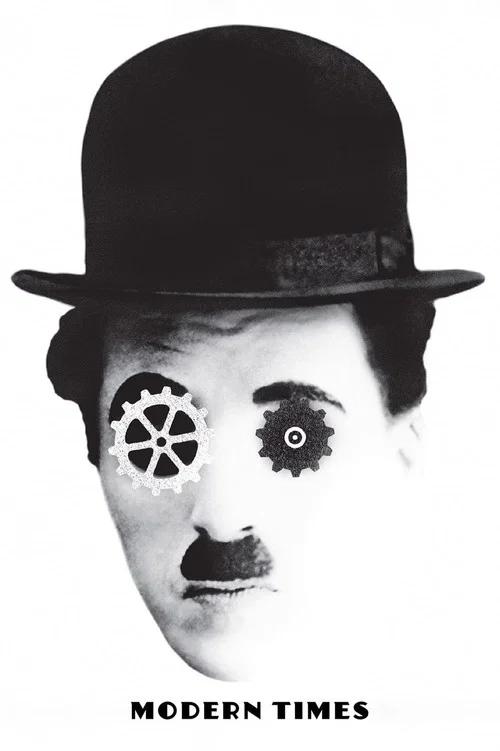
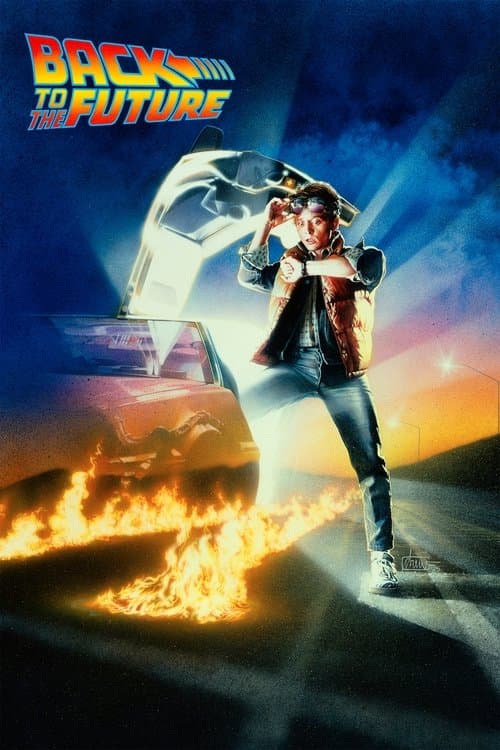
Films that share techniques with Sleeper include WALL-E (2008), A Rainy Day in New York (2019), Modern Times (1936), Back to the Future (1985).