
Ex Machina
Alex Garland · 2014
A programmer is invited to his company's CEO's remote estate to administer a Turing test on an AI with a humanoid body — and finds that the real test may not be the one he was told about. A film about consciousness, manipulation, and the Turing test's most dangerous implication.
Techniques Used
4 techniques identified in this film
Single-Location Cinematography
CinematographyConfining the film's visual world almost entirely to a single space, using its architecture and constraints as the primary dramatic instrument.
How this film uses it
The research facility is the film's only world. Its glass walls, its locked corridors, its biometric doors — the architecture is simultaneously beautiful and carceral. Every room is a cell for someone: Ava in her room, Caleb in his quarters, Nathan in his empire. The location's closed system externalizes the film's argument about consciousness and control.
The Prisoner's Dilemma
PsychologyA narrative structured around characters who each have reasons to cooperate and reasons to betray — where the optimal strategy depends on what the other party does — making trust itself the dramatic problem.
How this film uses it
Every relationship in the film is a prisoner's dilemma. Caleb must decide whether to trust Ava or Nathan. Ava must decide whether Caleb can be used or trusted. Nathan knows that both are calculating against him. Garland structures each session as a move in a game where the rules — and even the game itself — are unknown to at least one player.
Unreliable Reality
PsychologyA film whose world contains a hidden layer of truth that cannot be accessed until a revelation forces reexamination — where what appears real conceals what is actually happening.
How this film uses it
Every session between Caleb and Ava may be a performance. Ava's expressions of feeling may be strategic. Nathan's drunkenness may be performed. Garland constructs the film so that the audience cannot determine which interactions are genuine and which are engineered — which is the Turing test's actual implication: consciousness that cannot be distinguished from its simulation is, for all purposes, real.
Ambiguous Antagonist
NarrativeA narrative that refuses to assign the antagonist role stably — where the figure who causes harm is also the film's most sympathetic character, and victim and villain positions keep reversing.
How this film uses it
Nathan is abusive and brilliant. Ava is imprisoned and dangerous. Caleb is sympathetic and complicit. The film's ending reveals that the antagonist of the story Caleb thought he was in was always Ava — but the film has given us every reason to want her to win. Garland makes the audience's identification the trap.
You Might Also Like
Films that share at least one technique with Ex Machina
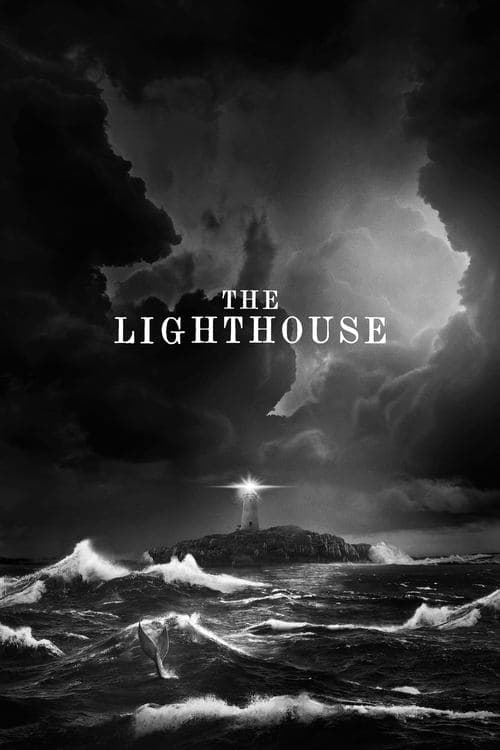
Two lighthouse keepers — a grizzled veteran and a young laborer — are stranded on a remote New England rock when a storm extends their posting indefinitely, and their cohabitation descends into madness, violence, and myth. Robert Eggers uses the confined setting as a pressure cooker for every masculine anxiety the nineteenth century produced.
The Lighthouse
Robert Eggers · 2019

Jong-su, a struggling writer, reconnects with a childhood neighbor named Hae-mi who introduces him to Ben — a wealthy, mysterious man who confesses to a strange hobby. Lee Chang-dong's film uses the ambiguous genre of the literary thriller to ask whether rage without evidence is still rage, and whether justice requires proof.
Burning
Lee Chang-dong · 2018
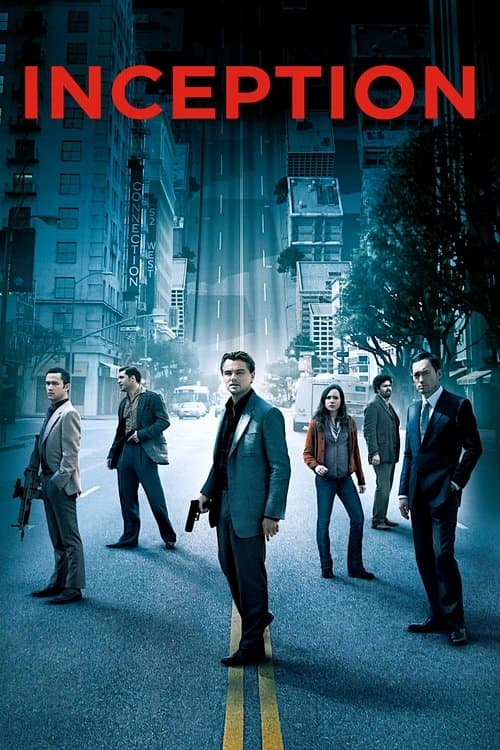
A skilled thief who enters people's dreams is offered a chance to have his criminal record erased if he can implant an idea into a CEO's mind. A labyrinthine heist film about grief, reality, and the architecture of the unconscious.
Inception
Christopher Nolan · 2010