Horror · Thriller · Drama

Bug

William Friedkin, 2007

A lonely waitress living in a motel in rural Oklahoma takes in a drifter who says the government has planted bugs in his body. As she starts to believe him, the room turns into a trap. It was shot in 21 days, mostly in one motel room.

Bug (2007) poster

At a glance

Bug is a 2007 horror, thriller and drama film directed by William Friedkin. This breakdown covers 4 techniques (2 cinematography, 1 narrative and 1 psychology), each with the scene where you can see it. If you like how it is made, I'm a Cyborg, But That's OK uses several of the same techniques.

Cinematography

Single-Location Cinematography

Shooting almost the whole film in 1 confined place. Set design and camera movement keep it visually interesting, and the space itself takes on meaning as the story goes on.

How this film uses it

Nearly the whole film happens in one motel room with three connected areas: a bathroom, a kitchenette and a living room. The walls seem to close in on the two characters. You feel the same trapped heat they do.

Where to see it

The motel room. Agnes and Peter stay inside while their fears grow, and the camera rarely leaves the room.


Cinematography

Production Design as Psychological Space

Designing the sets to reflect what is going on inside a character. The place they live in tells you things about them that the dialogue doesn't.

How this film uses it

The room is hung with fly strips and later covered floor to ceiling in aluminum foil. The set shows you how far their belief has gone before anyone says it. Friedkin said the foil needed constant repair because it reflected the crew.

Where to see it

The foil room. Peter and Agnes seal the room with flypaper and aluminum foil to keep the bugs out.

Narrative

Playing Along With Delusion

Having a character step into another person's delusion and help from inside it, without arguing against it. The kindness works because it respects how they see the world.

How this film uses it

Agnes does not argue with Peter. She starts agreeing with him, then sees what he sees. You watch one person's delusion move into another person's head.

Where to see it

The microscope scene. Peter pulls out a tooth and claims to see bugs under a microscope, and Agnes says she sees them too.

Psychology

Unreliable Reality

Keeping it unclear what is real and what is imagined in the film's world. You end up as unsure as the main character.

How this film uses it

The ending leaves it unclear what is real. Peter and Agnes set themselves on fire, and the epilogue shows the room undamaged. You are left unsure which version of events was true.

Where to see it

The epilogue. Agnes's toys are intact and Dr. Sweet's body lies in the foil room, undamaged by fire.

Questions

Bug: quick answers

What filmmaking techniques does Bug use?
CineCode breaks down 4 techniques in Bug (2007): Single-Location Cinematography, Production Design as Psychological Space, Playing Along With Delusion and Unreliable Reality.
Who directed Bug?
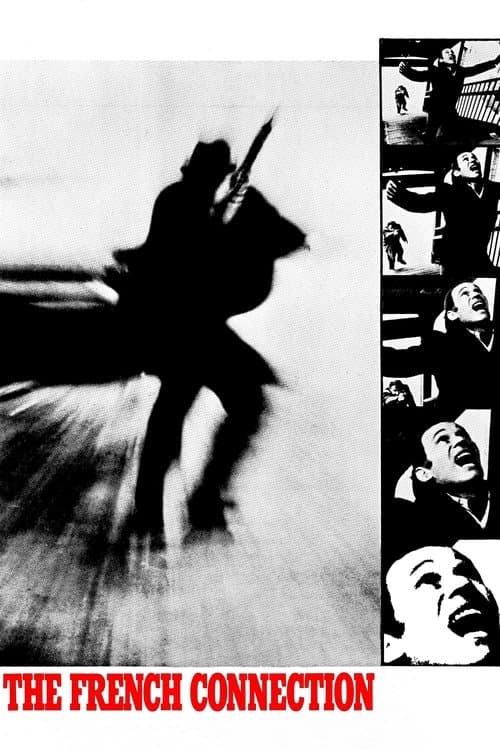
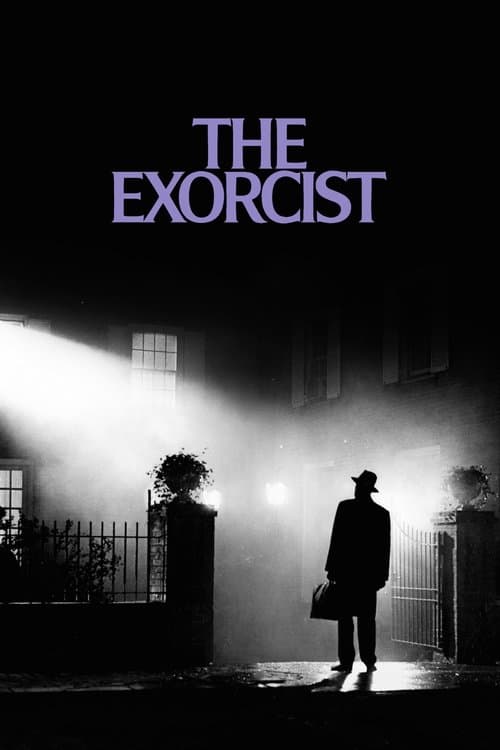
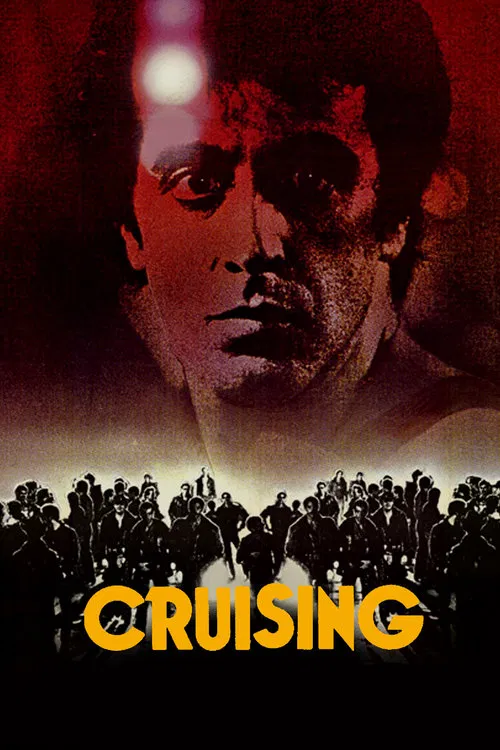
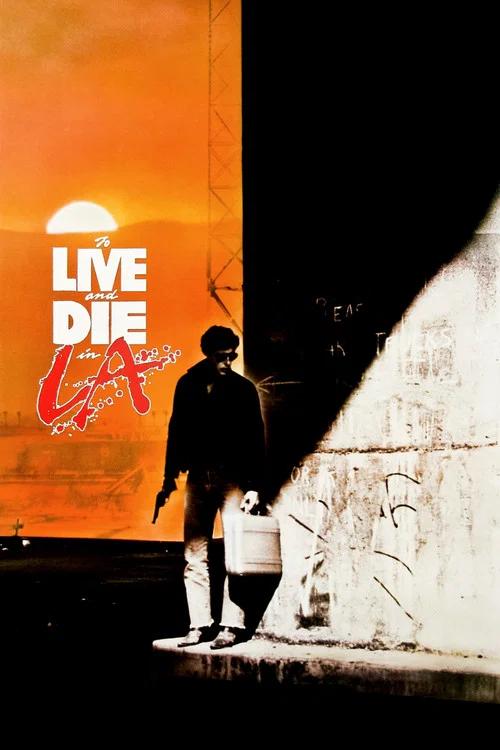
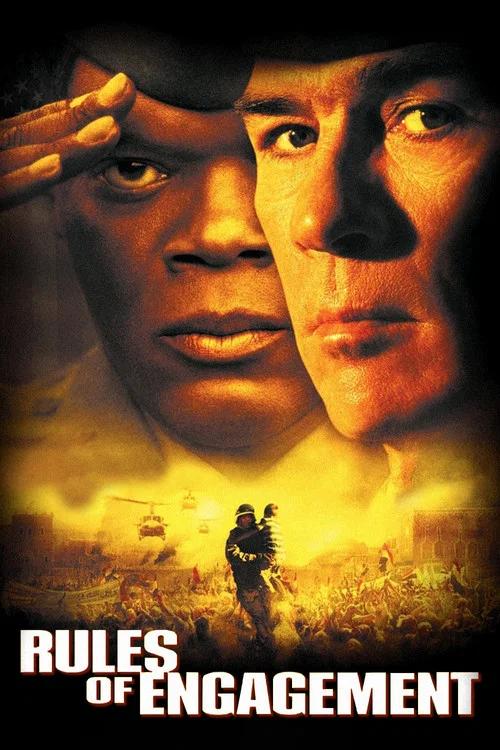
William Friedkin directed Bug, released in 2007. CineCode also covers The French Connection (1971), The Exorcist (1973), Sorcerer (1977), Cruising (1980), To Live and Die in L.A. (1985), Rules of Engagement (2000).
What films are similar to Bug?
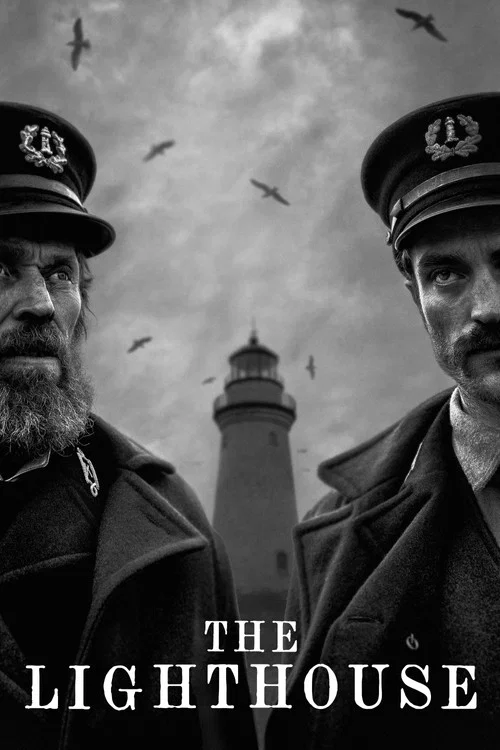
Films that share techniques with Bug include I'm a Cyborg, But That's OK (2006), Ex Machina (2014), The Lighthouse (2019), The Babadook (2014).