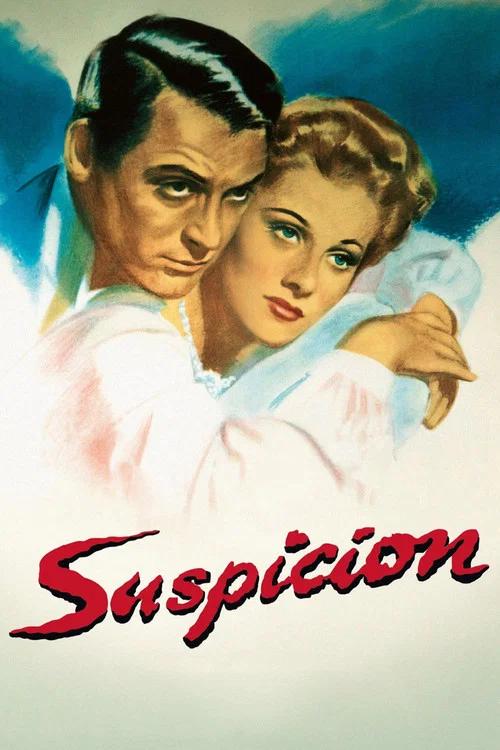
In 1938 England, shy Lina marries the charming gambler Johnnie, then learns he lies about money and starts to fear he plans to kill her. Watch how Hitchcock keeps you inside her fear and never quite settles whether it is justified.
Suspicion is a 1941 mystery, romance and thriller film directed by Alfred Hitchcock. This breakdown covers 4 techniques (1 narrative, 1 psychology, 1 cinematography and 1 sound), each with the scene where you can see it. If you like how it is made, Ex Machina uses several of the same techniques.
Writing an opponent the film never fully labels as evil. Their motives mix ordinary human wants with real harm, and they may even help the hero grow.
How this film uses it
Johnnie is a liar and a thief who also makes Lina laugh and feel wanted. Hitchcock keeps his motives murky, so you can read him as a killer or as a weak man in over his head. His explanation at the end comes only from his own mouth, so you have to decide whether to believe it.
Where to see it
The cliff road drive. Johnnie speeds along the edge, Lina's car door swings open and he reaches toward her. He later says he planned to end his own life, which only he can confirm.
Keeping it unclear what is real and what is imagined in the film's world. You end up as unsure as the main character.
How this film uses it
Lina's fear colors what you see. A word game and a flyer turn into pictures of murder, and the film never lets you check them against the facts. You end up as unsure as she is about what is real.
Where to see it
The anagram game. Lina changes the letters from 'mudder' to 'murder' to 'murderer', then looks at a flyer for a cliff and sees two silhouettes, one pushing the other over.
Lighting an object or using patterns of light so it carries meaning on its own. A plain item or beam can feel dangerous or speak like a language.
How this film uses it
The glass of milk Johnnie carries upstairs seems to glow. The filmmakers put a light bulb in it, so the camera singles it out like a weapon. You stare at a drink and expect the worst.
Where to see it
The milk glass. Johnnie brings Lina a glass of milk before bed and she is too afraid to drink it. It sits untouched until morning.
Repeating a short piece of music or a sound every time a certain character, idea or feeling comes up. You learn to connect the 2.
How this film uses it
The waltz 'Wiener Blut' comes back at key moments. It starts as a sweet dance tune and turns sad and menacing as Lina's trust breaks down. Each return tells you where her feelings about Johnnie stand.
Where to see it
The milk scene. A sad version of 'Wiener Blut' plays as Johnnie climbs the stairs with the glass.
Questions
Suspicion: quick answers
What filmmaking techniques does Suspicion use?
CineCode breaks down 4 techniques in Suspicion (1941): Ambiguous Antagonist, Unreliable Reality, Expressive Light Design and Leitmotif.
Who directed Suspicion?
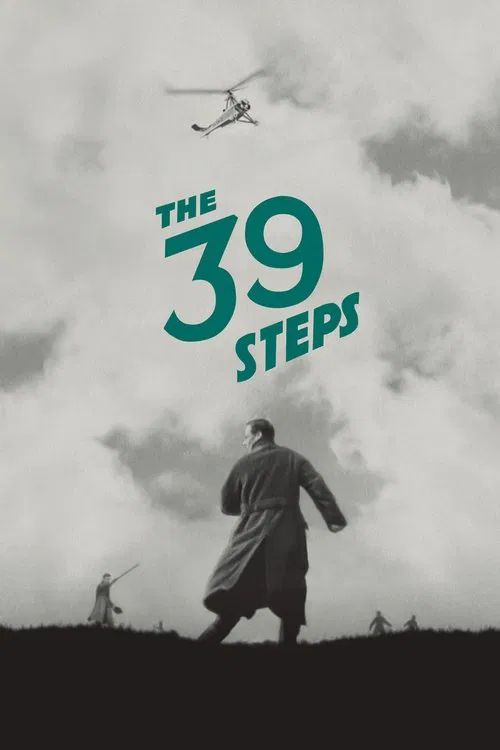
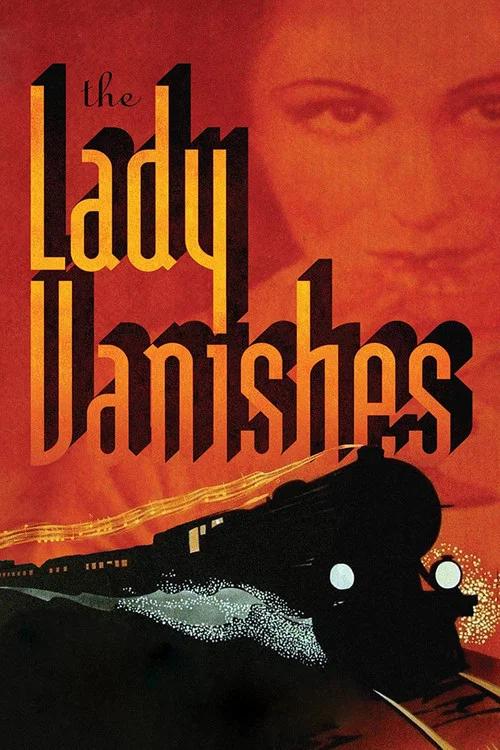
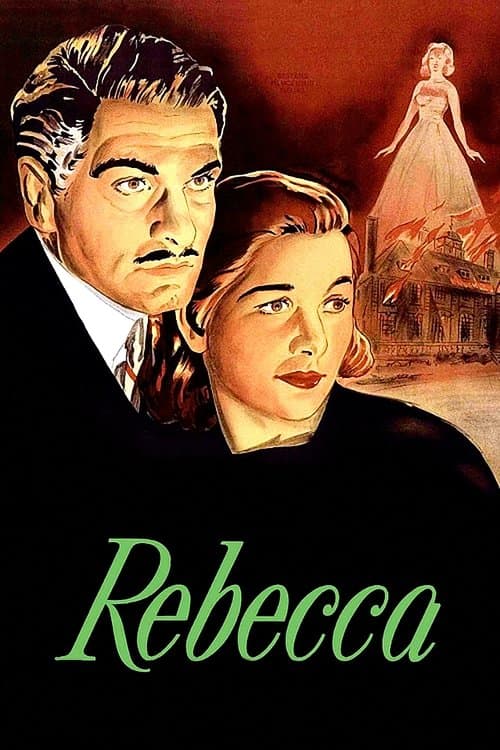
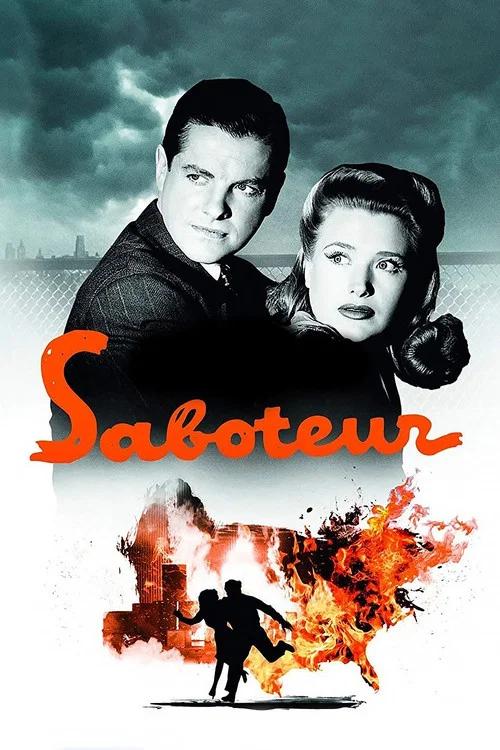
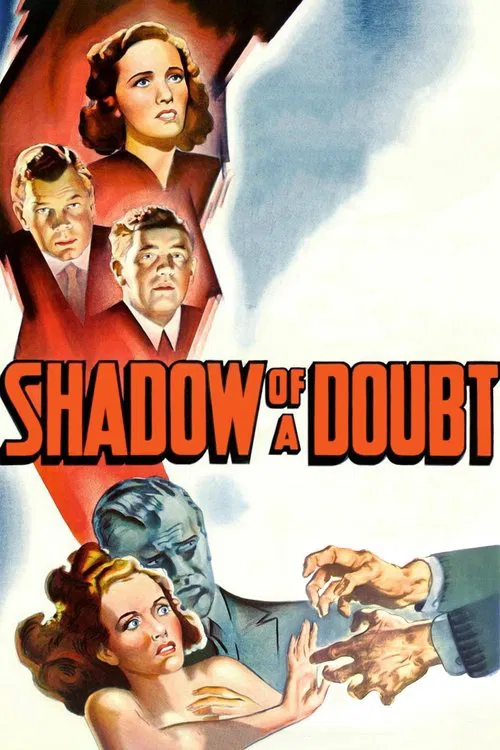
Alfred Hitchcock directed Suspicion, released in 1941. CineCode also covers The 39 Steps (1935), The Lady Vanishes (1938), Rebecca (1940), Saboteur (1942), Shadow of a Doubt (1943), Lifeboat (1944).
What films are similar to Suspicion?
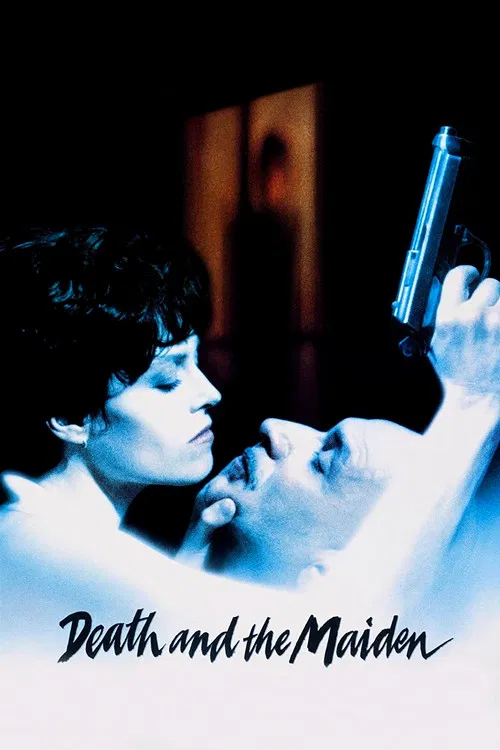
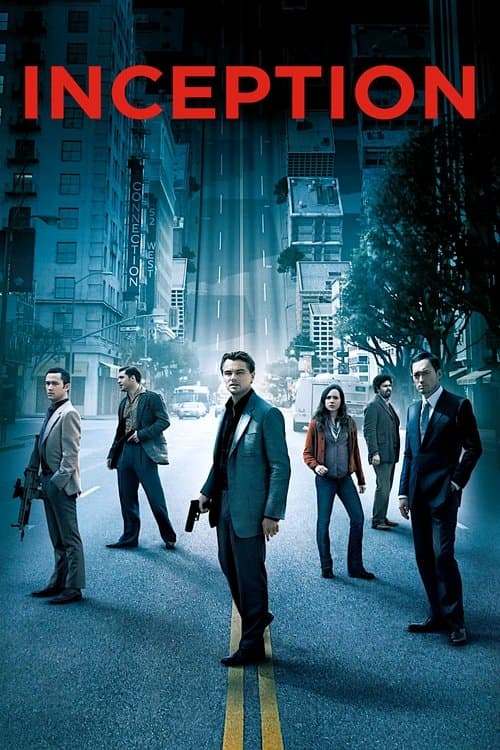
Films that share techniques with Suspicion include Ex Machina (2014), Burning (2018), Death and the Maiden (1994), Inception (2010).