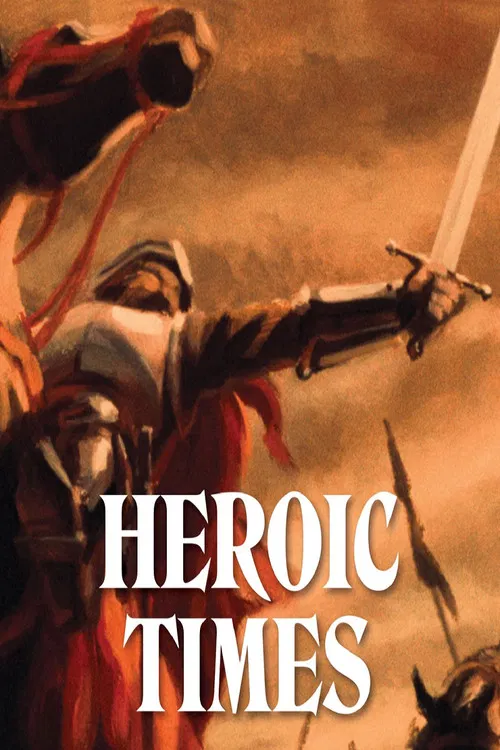
This Hungarian animated epic retells the legend of Miklós Toldi, a 14th century knight, adapted from the poem trilogy by János Arany. Toldi is the lowly younger brother who rises through strength and ends up shaped by war. Nearly every frame is an oil painting, which is why filmmakers still study it.
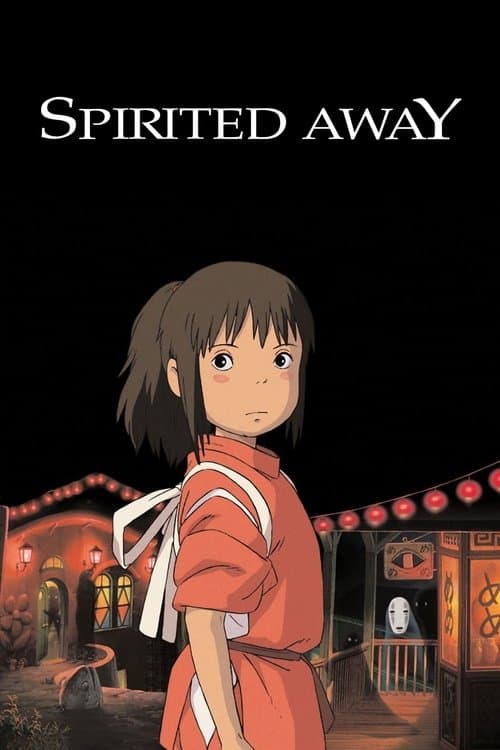
Heroic Times is a 1984 animation, history and adventure film directed by József Gémes. This breakdown covers 5 techniques (3 cinematography, 1 narrative and 1 sound), each with the scene where you can see it. If you like how it is made, Spirited Away uses several of the same techniques.
Keeping the handmade look of traditional animation, including slightly uneven pencil lines and visible brushwork in the backgrounds. The small imperfections make the image feel warm and human.
How this film uses it
Ten artists painted the film in oil. The National Film Institute says the team worked with around 10,000 paintings. The result looks like a gallery of oil paintings that starts to move.
Where to see it
Whole film: Medieval battles, duels and horse rides play out with visible brushwork in every frame.
Composing and lighting shots to echo specific paintings, or building sets in which characters step inside famous artworks. The frames feel like historical art come to life.
How this film uses it
The look follows 19th century Romantic painting, according to the Hungarian National Film Institute. Battles and crowd scenes are staged the way a painter would stage them.
Where to see it
Battle scenes: Armies and knights are framed in wide, painterly compositions that feel like a history painting come alive.
Framing the story as an old person's memory of events from decades ago. You know from the start how things ended, so even the happy memories carry some grief.
How this film uses it
The older Toldi tells the story himself in a summarizing voice, played by Gyula Szabó. You hear him look back on his own legend and sense how much it cost him.
Where to see it
Narration: An aged Toldi recounts his rise and his troubles as the painted scenes play.
Showing an inner problem as something you can see, such as a visible lie, a blurred actor or a fully built imagination. The idea becomes a physical sight.
How this film uses it
After Toldi kills a man in a rage, he has to flee. The film breaks from its usual painted style into fast, abstract imagery that puts you inside his disturbed mind.
Where to see it
Toldi's flight: After the killing, Toldi leaves his home and goes into exile, shown in fast, abstract images.
Composing the score to the finished picture so instruments imitate sounds in the scene, such as hooves or swishing weapons. The music and the action lock together.
How this film uses it
Composer János Decsényi wrote the music and Adrienne Csengery sings. The film has no sound effects, so the score drives the action and gives weight to the horse rides and fights.
Where to see it
Chases and fights: The music carries the energy of horse rides and clashing weapons.
Questions
Heroic Times: quick answers
What filmmaking techniques does Heroic Times use?
CineCode breaks down 5 techniques in Heroic Times (1984): Hand-Drawn Texture, Painting-Inspired Composition, Elderly Frame Narrative, Visual Literalization of Inner State and Score Mimicking Action Sounds.
Who directed Heroic Times?
József Gémes directed Heroic Times, released in 1984.
What films are similar to Heroic Times?
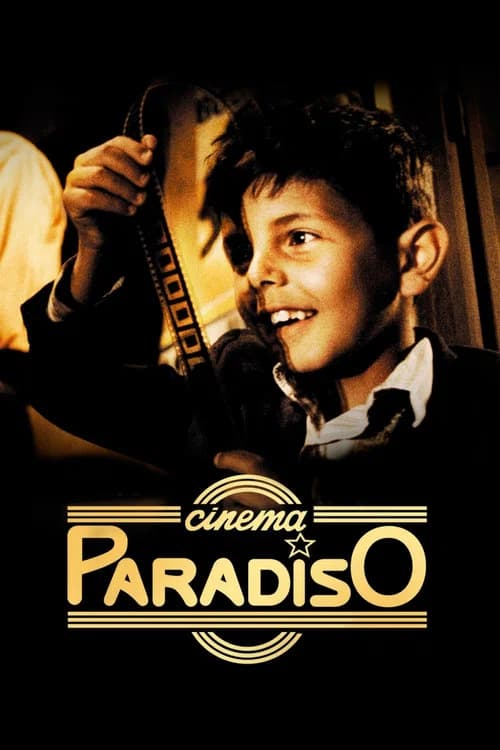
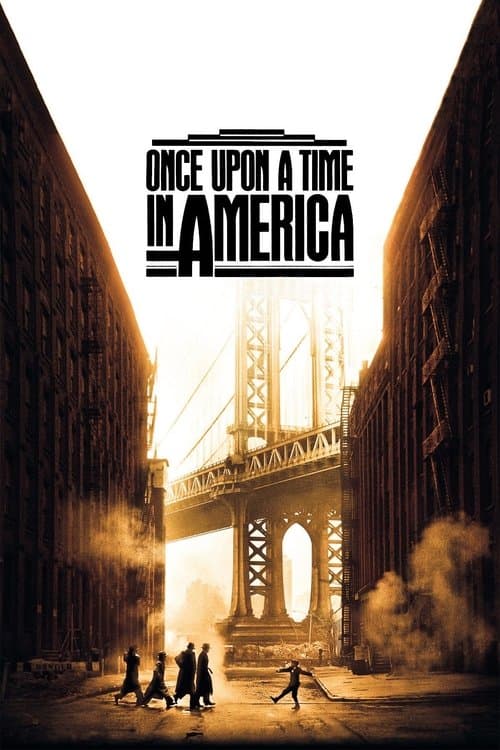
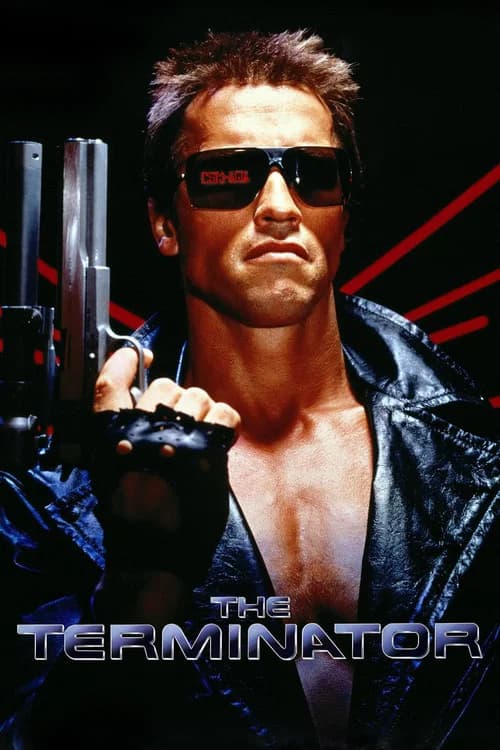
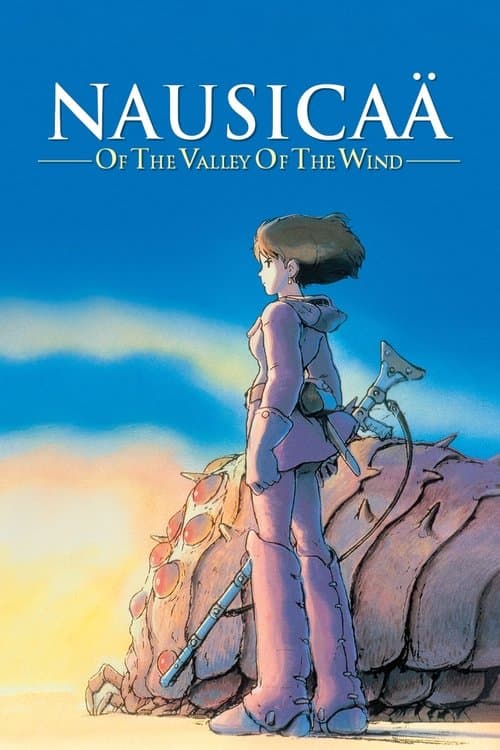
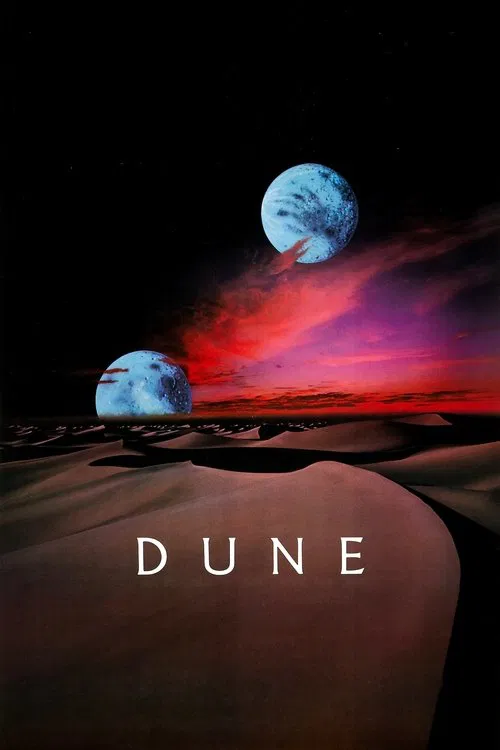
Films that share techniques with Heroic Times include Spirited Away (2001), The Green Mile (1999), The Seventh Seal (1957), Cinema Paradiso (1988).
Is there a video breakdown of Heroic Times?
Yes. There is a short video breakdown of Heroic Times on the CineCode YouTube channel, embedded on this page.