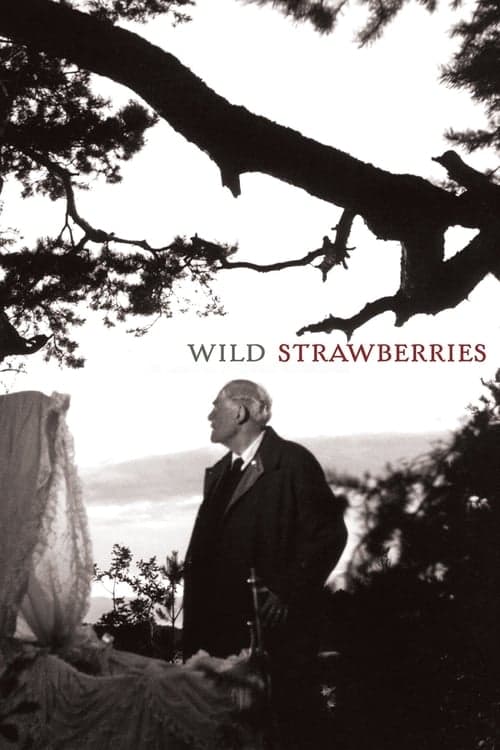
Wild Strawberries
Ingmar Bergman · 1957
An elderly professor drives to receive an honorary degree and, on the journey, confronts the emotional failures of his life through dreams, memories, and encounters with strangers who mirror his younger self. Bergman's most accessible film, and his most direct statement about what constitutes a life well-lived.
Techniques Used
3 techniques identified in this film
Elderly Frame Narrative
NarrativeA structure in which an older protagonist looks back at formative experiences, with the gap between the aged narrator and the young subject providing the film's emotional and temporal depth.
How this film uses it
Isak Borg narrates from old age, then rides through a landscape that generates memories of his youth. The frame makes every flashback a judgment: we see the young Isak with the knowledge of what he became, and the old Isak with the knowledge of what he missed. The temporal distance is the film's central dramatic instrument.
Dream Logic Structure
NarrativeSequences that operate by the associative, symbol-laden logic of dreams rather than causal narrative — images connected by emotional meaning rather than plot consequence.
How this film uses it
The opening dream — a deserted street, a hearse spilling a coffin, Isak finding himself inside it — operates entirely by Freudian dream logic: the symbols (the faceless clock, the self as corpse) express his psychological state rather than narrative information. Bergman integrates dream sequences so naturally that the boundary between memory and dream is deliberately unclear.
Circular Structure
NarrativeA narrative that ends by returning to its beginning — a repeated image or situation — so that the ending comments on the opening with the full weight of everything between them.
How this film uses it
The film ends with Isak finding, in memory, the peace that the opening's nightmare suggested he had lost. The strawberry patch — the wild strawberries of the title, associated with his cousin Sara — appears at the beginning as lost happiness and at the end as recovered memory. The circle closes not in repetition but in acceptance.
You Might Also Like
Films that share at least one technique with Wild Strawberries
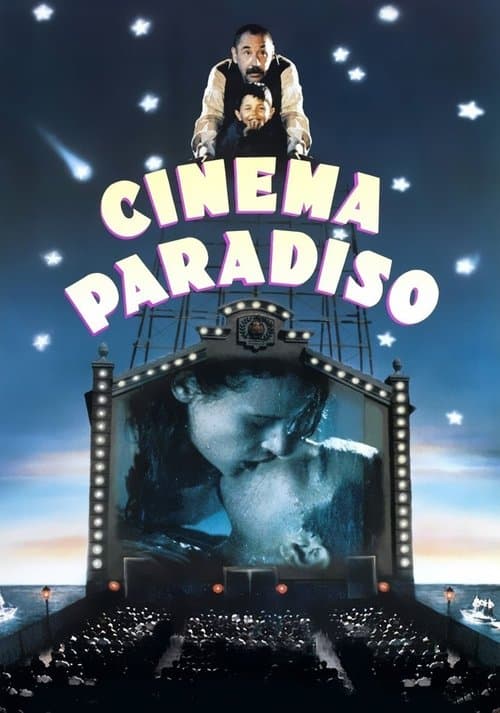
A famous film director returns to his Sicilian village after learning of the death of Alfredo, the projectionist who was his childhood mentor and surrogate father. A film about memory, cinema, and the losses that make us who we are.
Cinema Paradiso
Giuseppe Tornatore · 1988
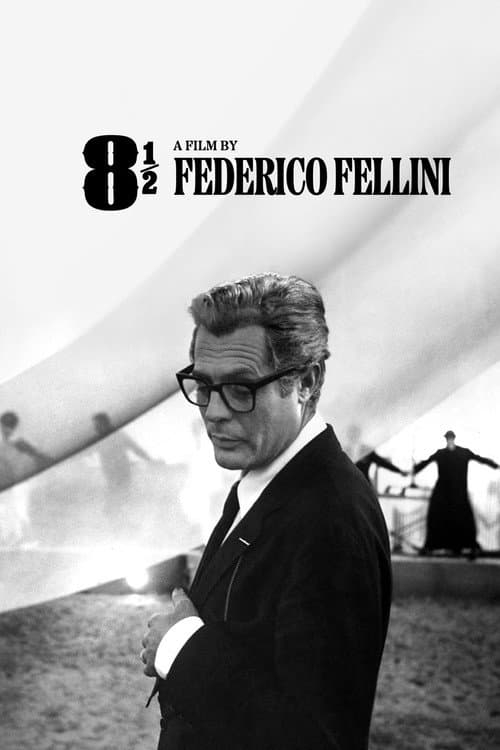
A film director paralyzed by creative block retreats to a spa, where his memories, fantasies, and present reality blur into each other. Fellini's most personal film uses cinema's tools to examine what it means to be an artist who has run out of things to say.
8½
Federico Fellini · 1963
Salvatore, a successful film director, returns to his Sicilian hometown after thirty years following the death of his mentor — the projectionist Alfredo — and remembers the love, loss, and cinema that shaped him. A film about cinema as a way of life, told by a man who chose cinema over life.
Cinema Paradiso
Giuseppe Tornatore · 1988