Narrative technique · used in 12 films

Elderly Frame Narrative

Framing the story as an old person's memory of events from decades ago. You know from the start how things ended, so even the happy memories carry some grief.

Examples

12 films that use it

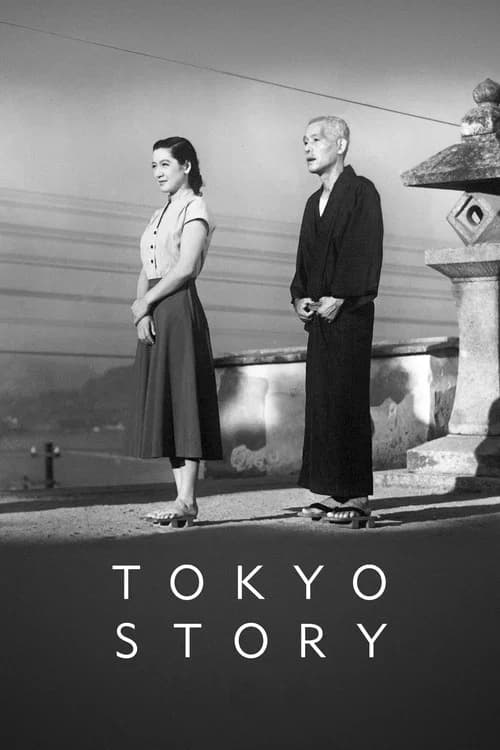
  1. Tokyo Story (1953) poster

    Tokyo Story

    Yasujiro Ozu · 1953

    Ozu refuses to push Shukichi and Tomi into supporting roles in their children's stories. Their disappointment and their dignity are the entire subject of the film.

    Where to see it: Shukichi drinking with old friends in Tokyo. His children have already moved on.
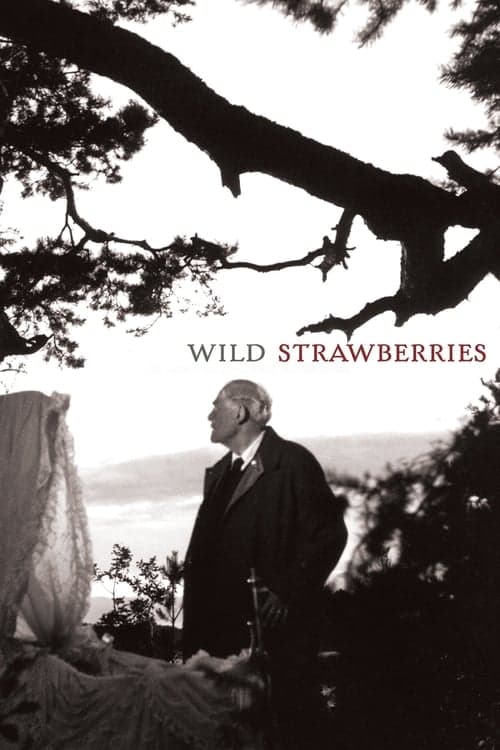
  2. Wild Strawberries (1957) poster

    Wild Strawberries

    Ingmar Bergman · 1957

    Isak Borg tells the story as an old man, then rides through a landscape that brings back his youth. Because he is looking back, every flashback feels like a verdict on him. You watch the young Isak already knowing what he became. The old Isak watches too, knowing what he missed. The drama comes from that gap in time.

    Where to see it: Isak's opening narration. The old man sets himself up as the judge of his own life before the journey even begins.

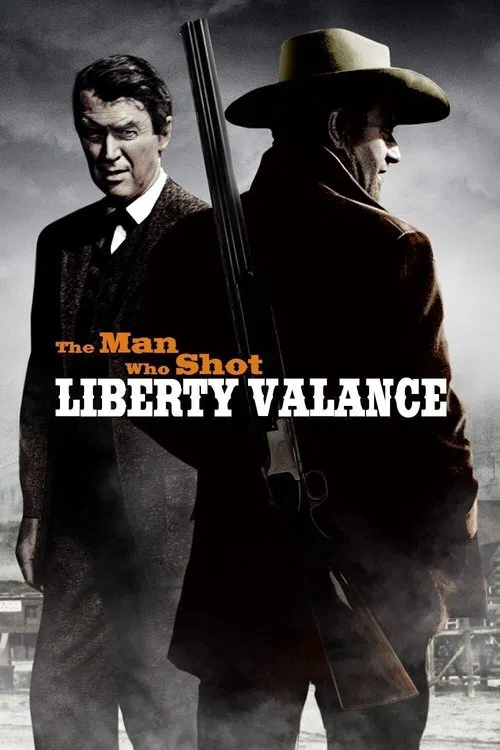
  3. The Man Who Shot Liberty Valance (1962) poster

    The Man Who Shot Liberty Valance

    John Ford · 1962

    Stoddard tells the story 25 years later, at Doniphon's funeral. You know from the opening how things ended, so the memories of Shinbone carry some regret.

    Where to see it: The funeral: A reporter asks why a senator would attend a poor rancher's funeral, and Stoddard begins a long flashback.

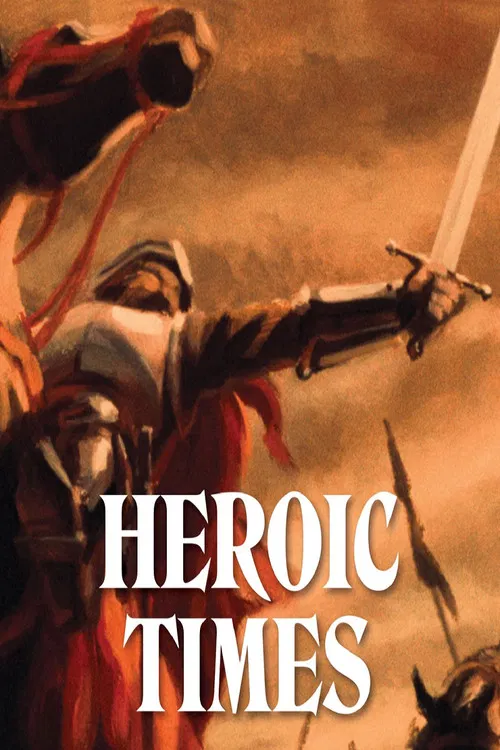
  4. Heroic Times (1984) poster

    Heroic Times

    József Gémes · 1984

    The older Toldi tells the story himself in a summarizing voice, played by Gyula Szabó. You hear him look back on his own legend and sense how much it cost him.

    Where to see it: Narration: An aged Toldi recounts his rise and his troubles as the painted scenes play.

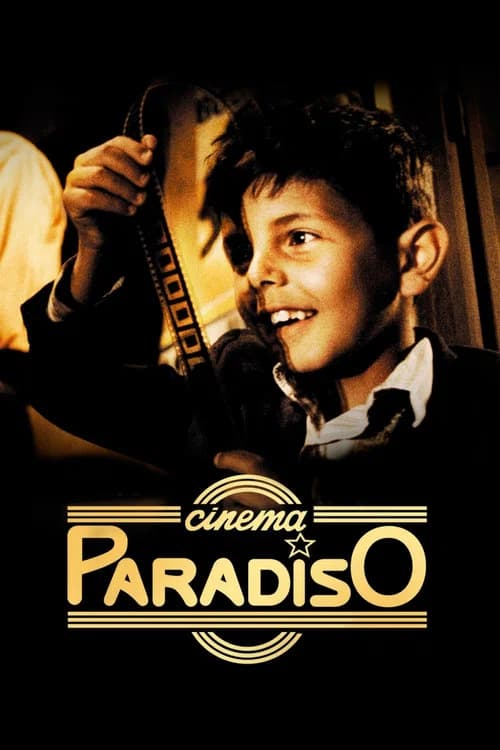
  5. Cinema Paradiso (1988) poster

    Cinema Paradiso

    Giuseppe Tornatore · 1988

    The story of Salvatore's childhood is framed by his return to Sicily as an adult after Alfredo's death. Before the memories even begin, you know that Alfredo is gone, that the Cinema Paradiso no longer exists and that Salvatore left and did not come back. Because you know all that, every happy scene in the past also plays as mourning.

    Where to see it: The opening sequence. Salvatore comes home to Rome and his girlfriend tells him his mother called to say Alfredo has died. You see the adult's face before the child's memories, so you learn about the loss before the love.

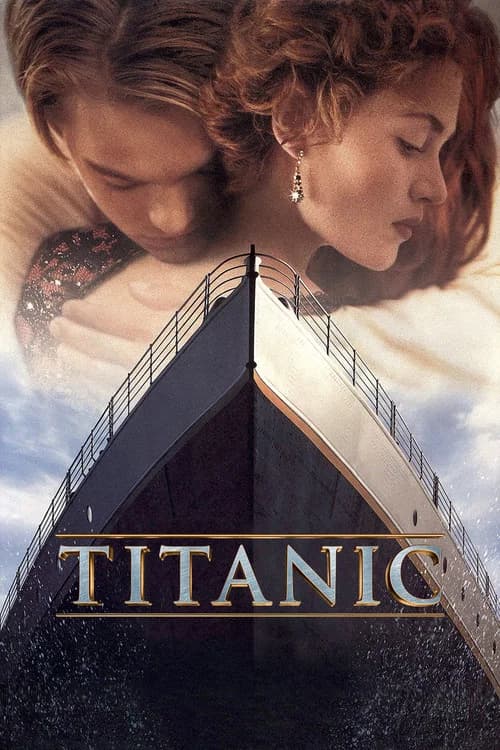
  6. Titanic (1997) poster

    Titanic

    James Cameron · 1997

    The 101-year-old Rose tells the story of the sinking from a research vessel above the wreck. Because the last witness is telling it, a tragedy from the archives becomes a living memory, and the past feels present.

    Where to see it: Old Rose holding the Heart of the Ocean in the present day. She drops it into the sea, which ties the treasure hunt thriller to the elegy, the film's mourning for the dead.

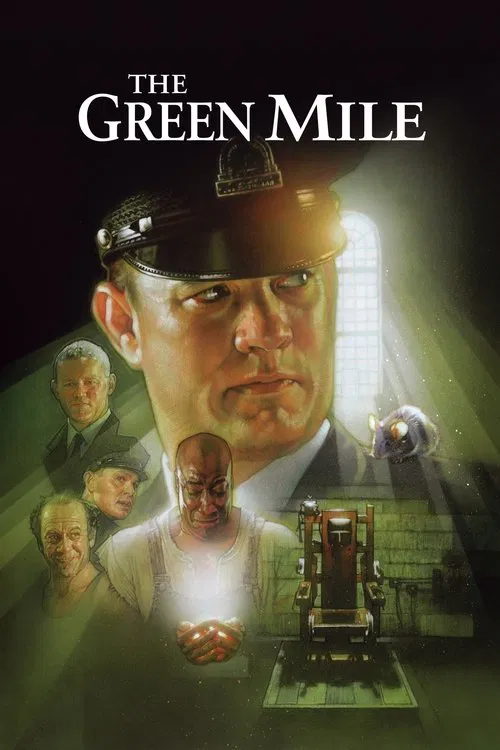
  7. The Green Mile (1999) poster

    The Green Mile

    Frank Darabont · 1999

    The film opens and closes with a very old Paul Edgecomb in a nursing home. He has lived far longer than anyone should, and that is the last consequence of the story he tells. So the whole film plays as a memory he is digging up. I feel like the story hits hardest when you finally learn what Paul has been carrying.

    Where to see it: Old Paul's final monologue. He talks about outliving everyone he loved, and the nursing home scenes finally pay off.

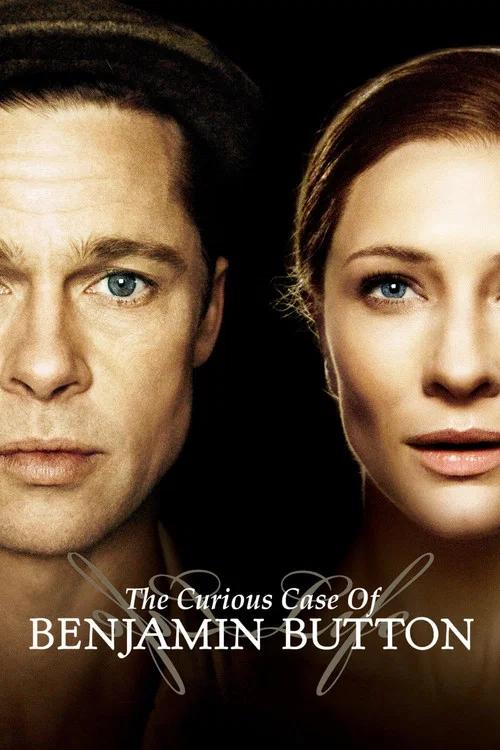
  8. The Curious Case of Benjamin Button (2008) poster

    The Curious Case of Benjamin Button

    David Fincher · 2008

    Daisy, dying in a New Orleans hospital in August 2005, has her daughter Caroline read Benjamin's diary aloud. The whole story arrives as her memory, so you know from the start that it ends in loss. Even the warm years carry that.

    Where to see it: The hospital bedside. Daisy listens as Caroline reads Benjamin's diary, and the story begins in 1918.

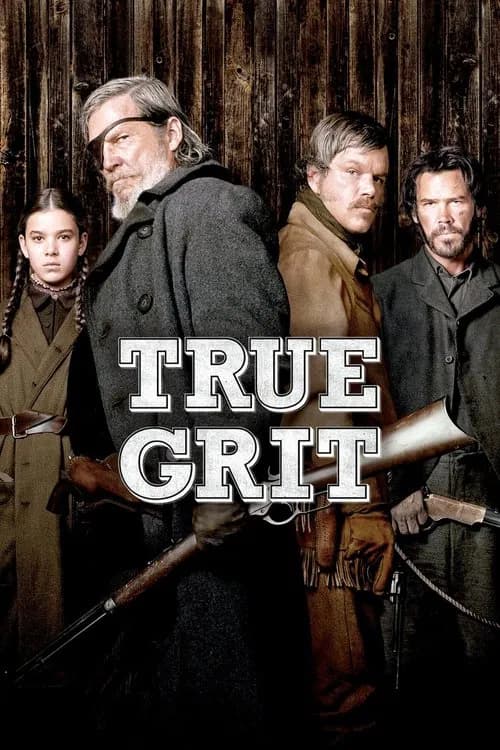
  9. True Grit (2010) poster

    True Grit

    Joel Coen, Ethan Coen · 2010

    The entire film is narrated by the elderly Mattie Ross, who is looking back on the events of her 14th year. Her adult voice gives the childhood adventure a seriousness the girl herself couldn't feel yet. The years in between are what let you judge it.

    Where to see it: Mattie's closing voiceover, where she reflects on what the pursuit cost her. You see the one-armed adult woman that the determined girl became. You see the justice she got and what it demanded in return.

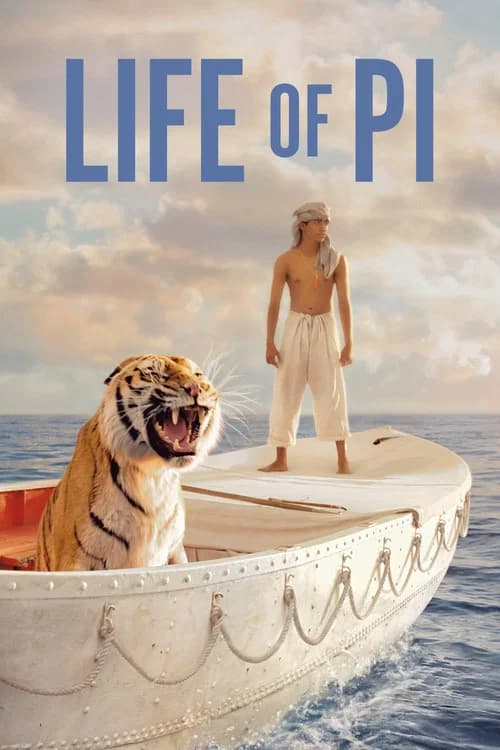
  10. Life of Pi (2012) poster

    Life of Pi

    Ang Lee · 2012

    The adult Pi tells the story of the shipwreck and his survival at sea to a writer in the present. Because he is looking back, the fantastical ocean sequences feel like memory. In the gap between the older narrator and the young hero, you sense what surviving cost him.

    Where to see it: Adult Pi watching the writer's face as he decides which version of the story to believe. It is the final scene of the present-day framing story, and you are making the same decision as the writer.

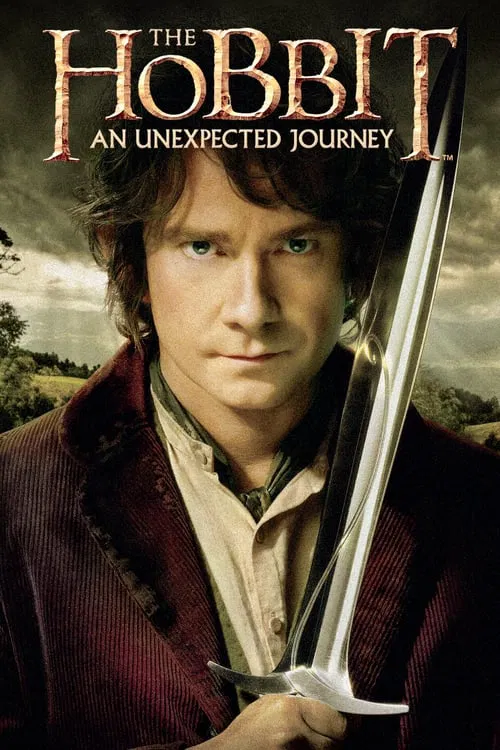
  11. The Hobbit: An Unexpected Journey (2012) poster

    The Hobbit: An Unexpected Journey

    Peter Jackson · 2012

    The story begins with old Bilbo, played by Ian Holm, writing down his adventure for his nephew Frodo. Since you know he lives to old age, the story feels like a memory being told. It also ties this film to the Lord of the Rings films that follow.

    Where to see it: Prologue: Old Bilbo, close to his 111th birthday, begins writing his story, and the film tells of Smaug destroying Dale.

  12. Belfast (2021) poster

    Belfast

    Kenneth Branagh · 2021

    Branagh dedicates the film to those who stayed, those who left and those who were lost. That makes the whole film an act of looking back and bearing witness. You never see the old man, yet his point of view is behind every shot the child appears in.

    Where to see it: The closing dedication cards. They turn the film from a memory into a memorial.

Questions

Quick answers

What is elderly frame narrative in film?
Framing the story as an old person's memory of events from decades ago. You know from the start how things ended, so even the happy memories carry some grief.
Which films use elderly frame narrative?
Tokyo Story (1953), Wild Strawberries (1957), The Man Who Shot Liberty Valance (1962), Heroic Times (1984), Cinema Paradiso (1988), Titanic (1997) and 6 more films in the CineCode library.
What kind of technique is elderly frame narrative?
It is a narrative technique. Related narrative techniques include Circular Structure, Revisionist Genre Argument, Observational Restraint.