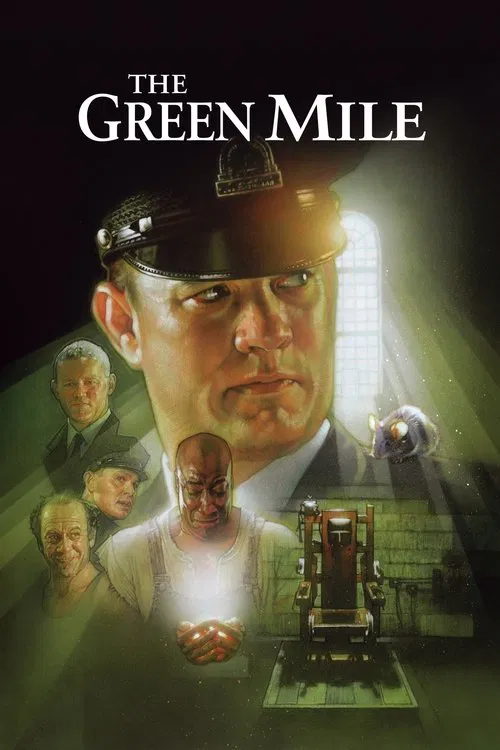
A death row prison guard looks back on a condemned prisoner who could heal people by touch, and on the guilt of having to execute him. It's a supernatural drama about mercy inside a system built to kill, and about the weight of seeing something the world isn't ready to believe.
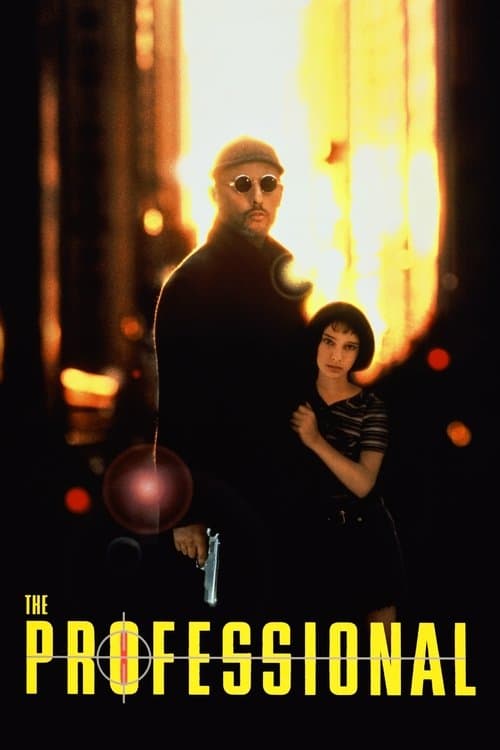
The Green Mile is a 1999 crime, drama and fantasy film directed by Frank Darabont. This breakdown covers 4 techniques (3 narrative and 1 cinematography), each with the scene where you can see it. If you like how it is made, Léon: The Professional uses several of the same techniques.
Dropping magical or miraculous events into an otherwise realistic world and playing them completely straight. The film never explains them or winks at you about them.
How this film uses it
John Coffey can heal people, and the film never gives a scientific explanation for it. After the first shock, the characters accept that his powers are real. Darabont commits fully to the idea. Mice are healed and tumors are drawn out, and the story treats these events as seriously as everything else in it.
Where to see it
Coffey healing the warden's wife. The miracle is played completely straight.
Framing the story as an old person's memory of events from decades ago. You know from the start how things ended, so even the happy memories carry some grief.
How this film uses it
The film opens and closes with a very old Paul Edgecomb in a nursing home. He has lived far longer than anyone should, and that is the last consequence of the story he tells. So the whole film plays as a memory he is digging up. I feel like the story hits hardest when you finally learn what Paul has been carrying.
Where to see it
Old Paul's final monologue. He talks about outliving everyone he loved, and the nursing home scenes finally pay off.
Running the film longer than its genre normally needs, on purpose. The extra time lets you live with the characters, so the emotional payoff feels in proportion to the wait.
How this film uses it
The Green Mile runs 3 hours and 9 minutes. It uses that time to give the main death row prisoners stories of their own before their executions. The length is what makes each death hit so hard, because you already care about these men well before they die.
Where to see it
Del's execution. It is devastating because you have spent time getting to know him.
Setting most of the drama in one defined place, such as a corridor, hideout or backstage area. Its layout and lighting shape the action and become a main visual character.
How this film uses it
David Tattersall's camera treats the Mile like a place of ritual. You keep seeing the same things: the green floor tiles, the single light overhead and the walk from the cell to the execution chamber. The corridor was a set built by production designer Terence Marsh, and it also carries a moral meaning. It is the physical distance between living and dying, and the film lets you walk it.
Where to see it
Every 'dead man walking' procession. The walk is repeated so often that it becomes a ceremony.
Questions
The Green Mile: quick answers
What filmmaking techniques does The Green Mile use?
CineCode breaks down 4 techniques in The Green Mile (1999): Supernatural Realism, Elderly Frame Narrative, Slow Build Runtime and Single Space as Dramatic Stage.
Who directed The Green Mile?
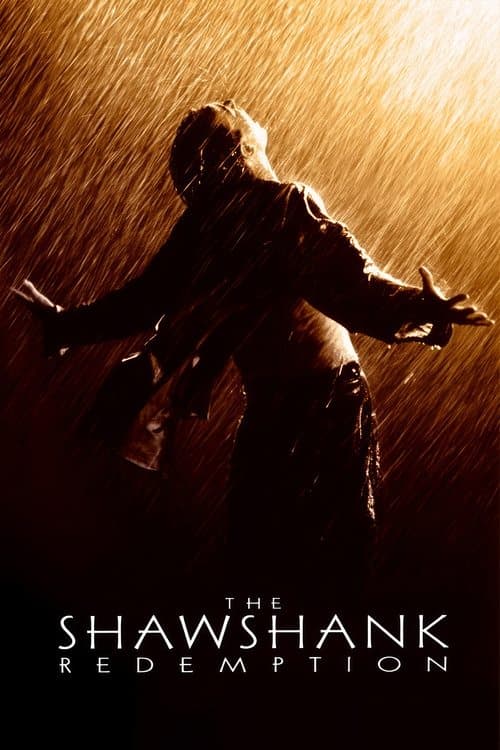
Frank Darabont directed The Green Mile, released in 1999. CineCode also covers The Shawshank Redemption (1994), The Majestic (2001), The Mist (2007).
What films are similar to The Green Mile?
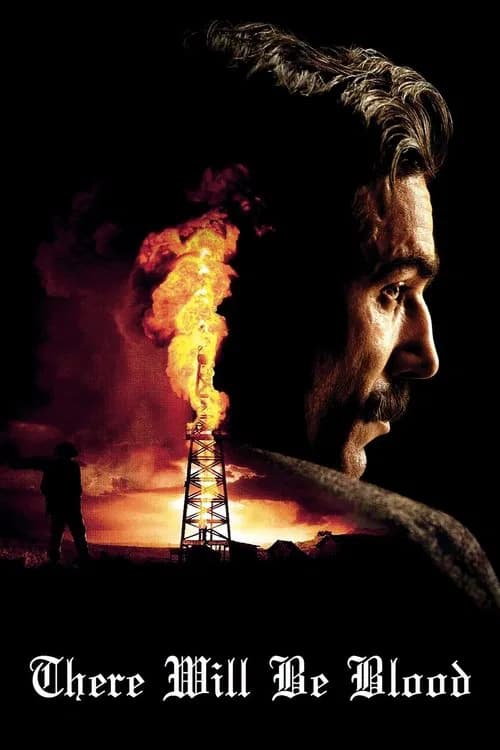
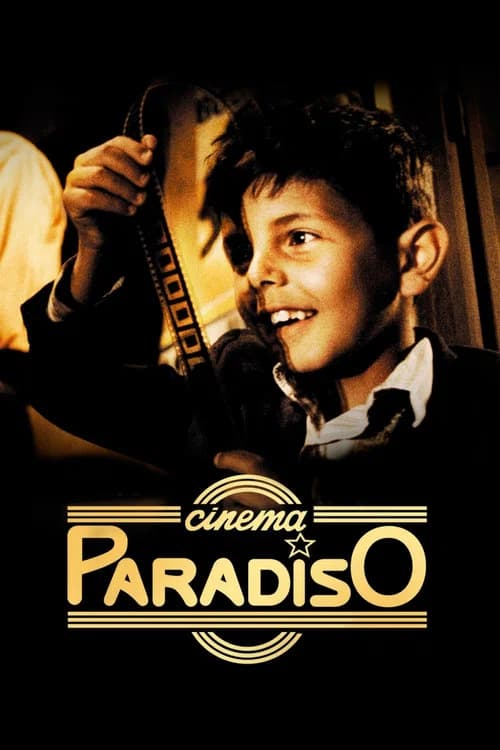
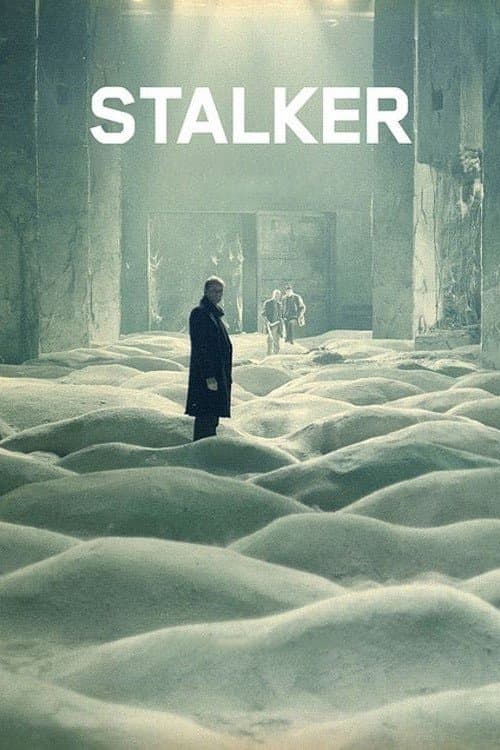
Films that share techniques with The Green Mile include Léon: The Professional (1994), There Will Be Blood (2007), Cinema Paradiso (1988), Stalker (1979).