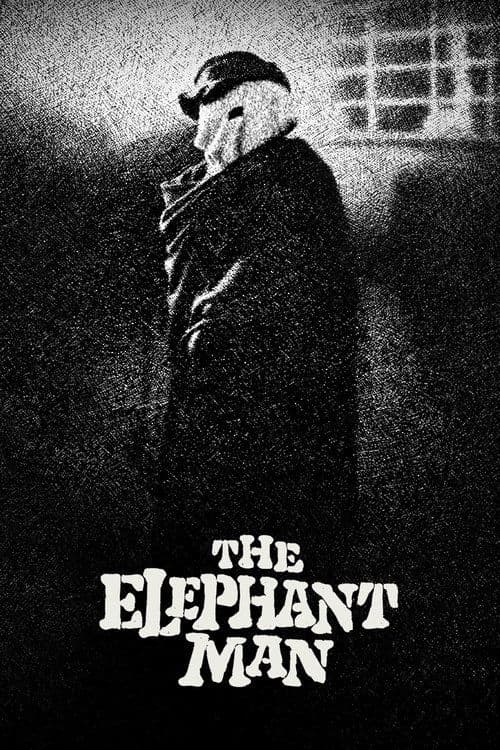
The Elephant Man
David Lynch · 1980
John Merrick — the severely deformed Victorian man exhibited as a carnival freak — is rescued by a London surgeon and discovers, for the first time, a life of dignity and human connection. Lynch's most emotionally direct film uses black-and-white imagery to ask what humanity actually requires.
Techniques Used
4 techniques identified in this film
Black-and-White as Moral Urgency
CinematographyChoosing black-and-white photography for a contemporary or period film to strip away visual comfort, establishing a moral seriousness that color might soften.
How this film uses it
Lynch and cinematographer Freddie Francis shoot in black-and-white to connect the film visually to Victorian photography and early cinema — the medium in which Merrick's world was actually recorded. The monochrome also prevents spectacle: the film cannot be beautiful in the conventional sense, which is its point.
Observational Restraint
CinematographyA visual approach that refuses dramatic emphasis, watching events at a measured distance — the camera as a witness that does not editorialize.
How this film uses it
Lynch delays the full revelation of Merrick's appearance and, when it comes, refuses to frame it as spectacle. The camera observes Treves's reaction before showing Merrick's face; it often shows others' responses rather than the 'shocking' image itself. The restraint aligns the camera with Treves's evolving understanding rather than the crowd's prurient gaze.
Chiaroscuro Lighting
CinematographyHigh-contrast lighting using deep shadows and isolated sources to create moral and psychological meaning through the relationship between illumination and darkness.
How this film uses it
The film's Victorian London is lit with gas lamps, foggy streets, and the harsh light of industrial exhibitions. Merrick in darkness is anonymous, safe; Merrick in light is exposed and vulnerable. Lynch uses the chiaroscuro to map the moral question of the film: who chooses to illuminate a person, and for what purpose.
Protective Fiction
PsychologyA character maintaining an internal narrative or performance that allows them to survive circumstances that would otherwise be unendurable — the fiction as a psychological survival mechanism.
How this film uses it
Merrick's elaborate courtesy, his love of theater, his meticulous model of the cathedral — these are the fictions by which he maintains dignity in a world that treats him as an object. Lynch presents these not as delusion but as genuine inner life: the structures through which a person denied ordinary humanity creates the conditions for humanity anyway.
You Might Also Like
Films that share at least one technique with The Elephant Man
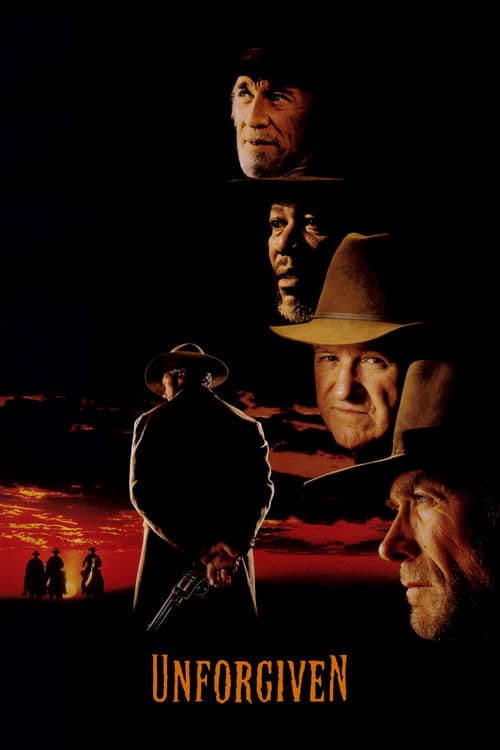
A retired outlaw and pig farmer reluctantly takes on one last bounty job after two cowboys mutilate a prostitute, only for the escalating violence to strip away the mythologies of the Old West entirely. Eastwood's film is the Western genre turned against itself.
Unforgiven
Clint Eastwood · 1992
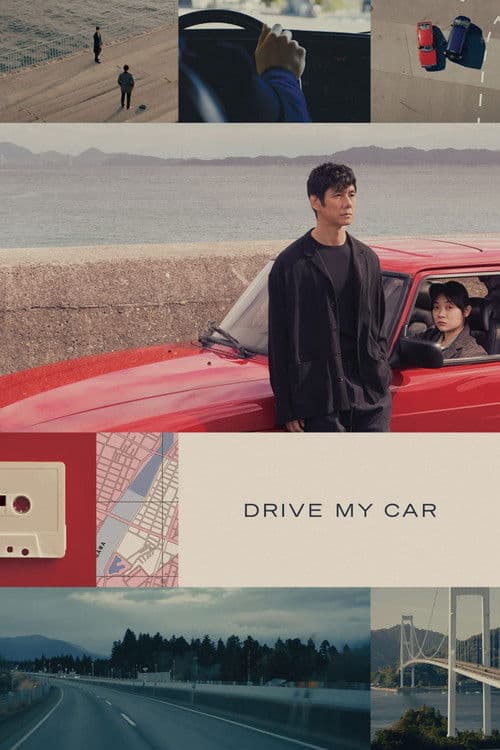
A theater director grieving his wife's death travels to Hiroshima to stage a multilingual production of Uncle Vanya, where his assigned driver — a young woman carrying her own unspoken loss — becomes his unexpected companion in grief. Hamaguchi's film is a three-hour study of what we tell ourselves about the people we loved.
Drive My Car
Ryusuke Hamaguchi · 2021
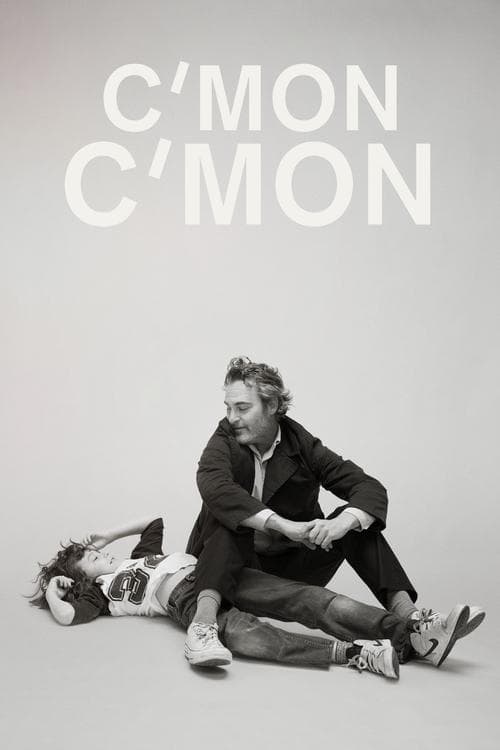
A radio journalist unexpectedly becomes temporary guardian of his nine-year-old nephew while traveling America interviewing children about the future — and the relationship between the two reveals what each of them is missing and needs. Mike Mills' film is a conversation between an adult who has stopped listening and a child who will not stop asking.
C'mon C'mon
Mike Mills · 2021