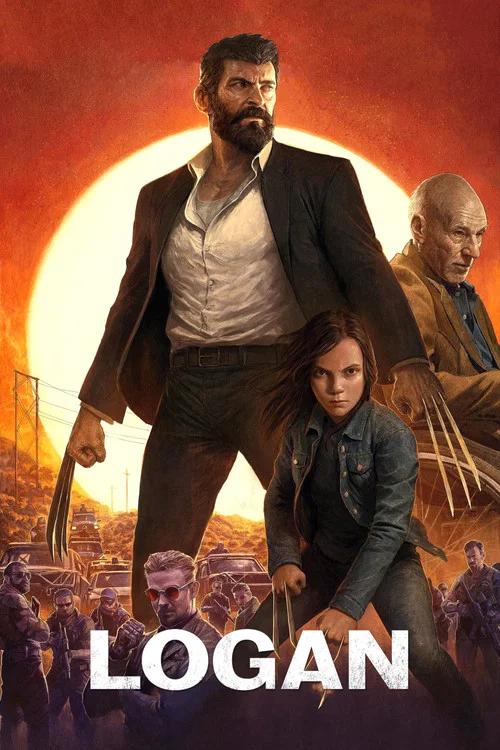
In 2029, a worn-out Logan drives a limo and looks after an ailing Charles Xavier near the Mexican border. When a young girl named Laura needs an escort north, the three hit the road with armed men on their trail. For filmmakers, it shows how a comic-book hero can be told as a quiet, bruised Western.
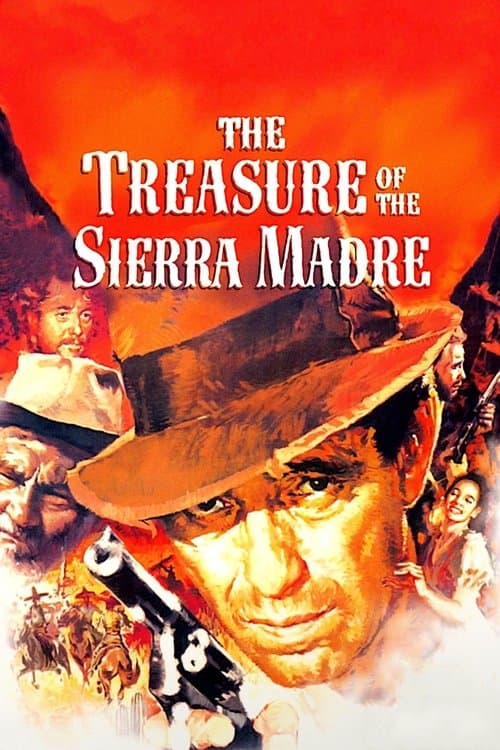
Logan is a 2017 action, drama and science fiction film directed by James Mangold. This breakdown covers 5 techniques (3 narrative, 1 psychology and 1 sound), each with the scene where you can see it. If you like how it is made, The Treasure of the Sierra Madre uses several of the same techniques.
Using a genre's familiar rules, like its heroes and its violence, to take those rules apart. The film turns your expectations into a political point the genre usually avoids.
How this film uses it
The film borrows the shape of a Western, with an aging gunman, a child to protect and a far-off safe place. Mangold has cited Western and neo-Western influences. The violence has real cost, which is the argument the old hero stories avoid.
Where to see it
Burial: The children bury Logan, and Laura recites the closing speech from Shane. She then tilts the cross on his grave into an X.
Pairing the main character with a second character who mirrors them. The double shows what the hero wants, fears or secretly is.
How this film uses it
X-24 is a feral, younger clone of Logan, built to be what Logan would be with no conscience left. Fighting him means fighting a version of himself. That makes the last battle personal.
Where to see it
Final fight: X-24 impales Logan with a tree branch. Laura shoots X-24 in the head.
Returning to the same physical object again and again until it means more than what it is. It moves the plot and also stands for the film's main ideas.
How this film uses it
One adamantium bullet turns up again and again. Logan once kept it as a way out, and Laura finds it among his things. When it is finally fired, it stands for the choice he makes to stay and protect her.
Where to see it
North Dakota: Laura finds the adamantium bullet Logan had once considered using on himself. He still refuses to join the children crossing into Canada.
Taking a character to the opposite of where they started, such as from weak to strong or from decent to compromised. That reversal is what the film is about.
How this film uses it
Logan starts as a man who wants to be left alone and takes jobs for cash. He ends as a father figure who gives his life so a child can get away. The film is about that reversal.
Where to see it
Final battle: Logan dies in Laura's arms after calling her his daughter.
Writing a score from a few spare instruments and uneasy, unresolved notes, with no big heroic themes. The music keeps you on edge and suits a story about tired, damaged people.
How this film uses it
Critics singled out the score as minimalist, dissonant and jazz-influenced, unlike earlier X-Men films. It rarely swells to tell you how to feel. The quiet leaves room for the worn-out mood of the story.
Where to see it
Opening in El Paso: Logan wakes in his limo and fights off men trying to steal its wheels.
Questions
Logan: quick answers
What filmmaking techniques does Logan use?
CineCode breaks down 5 techniques in Logan (2017): Revisionist Genre Argument, Psychological Doubling, Symbolic Object, Character Arc Inversion and Sparse Dissonant Scoring.
Who directed Logan?
James Mangold directed Logan, released in 2017. CineCode also covers A Complete Unknown (2024).
What films are similar to Logan?
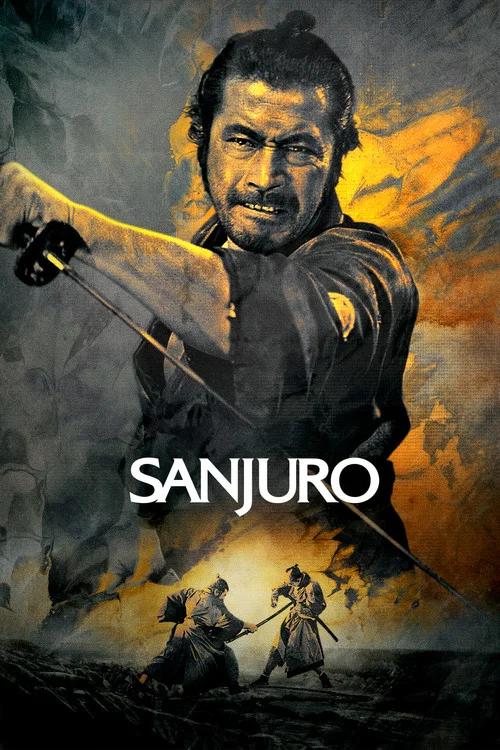
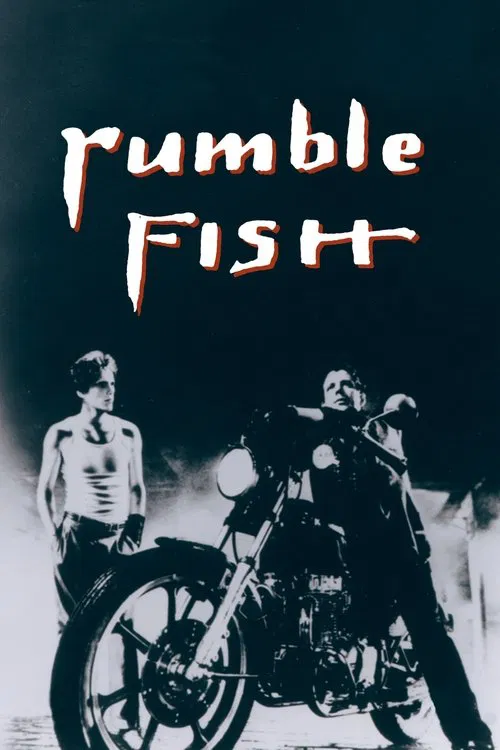
Films that share techniques with Logan include The Treasure of the Sierra Madre (1948), Sanjuro (1962), Enemy (2014), Rumble Fish (1983).