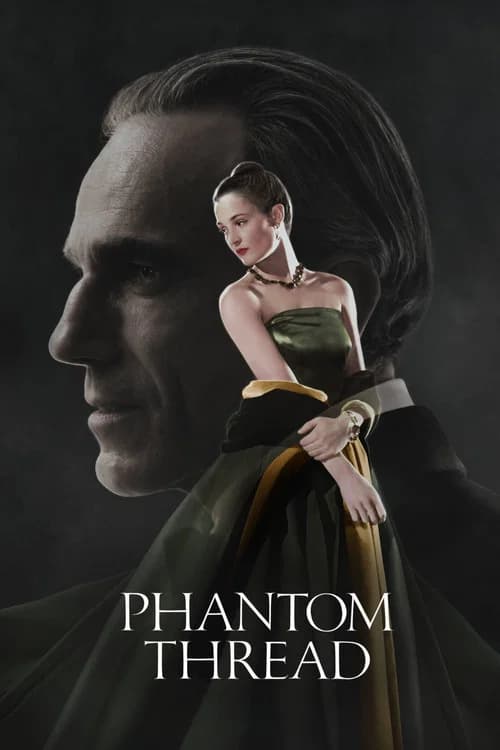
A renowned London dressmaker's work defines his entire identity. He falls into an obsessive relationship with a young waitress who refuses to be dominated. This is Anderson's most perfectly crafted film. It uses the conventions of romantic drama to tell a story about control, dependency and the strange forms love takes.
Phantom Thread is a 2017 drama and romance film directed by Paul Thomas Anderson. This breakdown covers 4 techniques (2 narrative, 1 psychology and 1 sound), each with the scene where you can see it. If you like how it is made, Amadeus uses several of the same techniques.
Building the whole plot on one character's fixation with a person, goal or rival. Every scene ties back to it, and the obsession keeps feeding itself while it destroys them.
How this film uses it
Reynolds Woodcock's obsession with his craft is pretty much the film's entire structure. Every scene is built around his routines, his rituals and his inability to put up with interruption. Alma shows her love by being willing to work inside his obsession. Then she finds the one move it can't absorb.
Where to see it
Reynolds's morning breakfast ritual. His table is carefully arranged and he demands silence and order. Alma breaks both by buttering her toast, and his obsession is what the scene is about.
Pairing the main character with a second character who mirrors them. The double shows what the hero wants, fears or secretly is.
How this film uses it
Reynolds and Alma are 2 obsessives who have found each other. Reynolds is obsessed with control and craft. Alma is obsessed with Reynolds and with being needed. I feel like they have the same basic nature, just expressed differently. The film resolves when they discover their obsessions fit together, which is either love or the most disturbing imitation of it.
Where to see it
Alma's poisoning. It turns out to be an act of love on terms Reynolds can understand. The 2 obsessive natures finally find the point where they fit perfectly.
Building an orchestral score from clashing sounds: string clusters, altered piano and percussion with no steady beat. It mirrors the main character's inner violence and gives you none of the usual emotional cues.
How this film uses it
Greenwood's score for Phantom Thread is his most conventionally beautiful, with lush strings and orchestration that suits the period. Under the elegant surface, it still has his typical dissonances (clashing notes) and harmonies that never resolve. The music mirrors the film: what looks like a love story has something stranger and more unsettling underneath.
Where to see it
The dressmaking sequences. Greenwood's score gives Reynolds's craft a musical dignity that is admiring and slightly wrong at the same time. The beauty has something uncomfortable beneath it.
Writing an opponent the film never fully labels as evil. Their motives mix ordinary human wants with real harm, and they may even help the hero grow.
How this film uses it
Reynolds is controlling, cruel and entirely self-absorbed. He is also the center of the film, its most interesting person and the one whose inner life you share most fully. Alma poisons him and nurses him back to health. The film refuses to settle who is doing what to whom, or whether any of it counts as love.
Where to see it
The final poisoning. Alma serves Reynolds the poisoned omelet. The role of antagonist has passed between them so many times that the act is assault and care at once.
Questions
Phantom Thread: quick answers
What filmmaking techniques does Phantom Thread use?
CineCode breaks down 4 techniques in Phantom Thread (2017): Obsession as Structural Engine, Psychological Doubling, Jonny Greenwood Atonalism and Ambiguous Antagonist.
Who directed Phantom Thread?
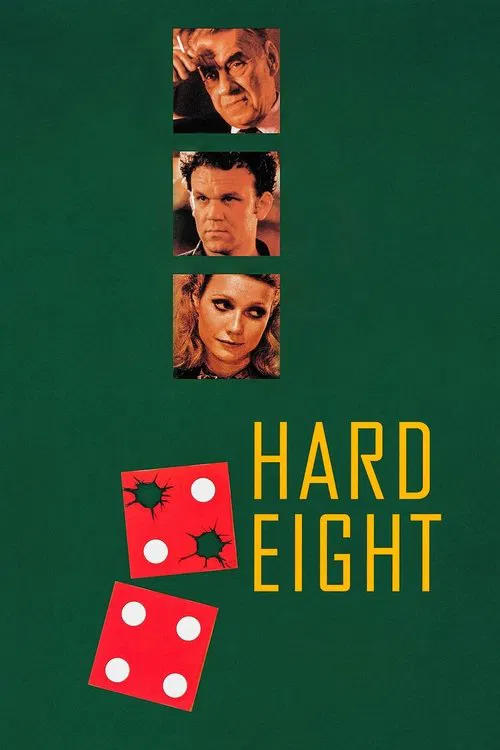
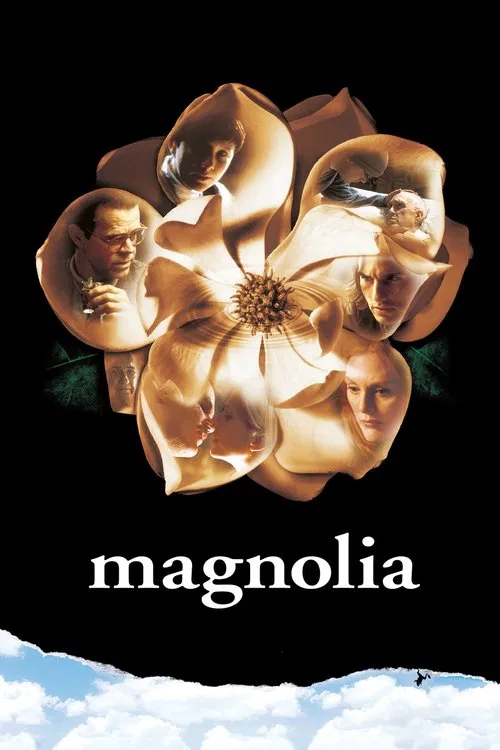
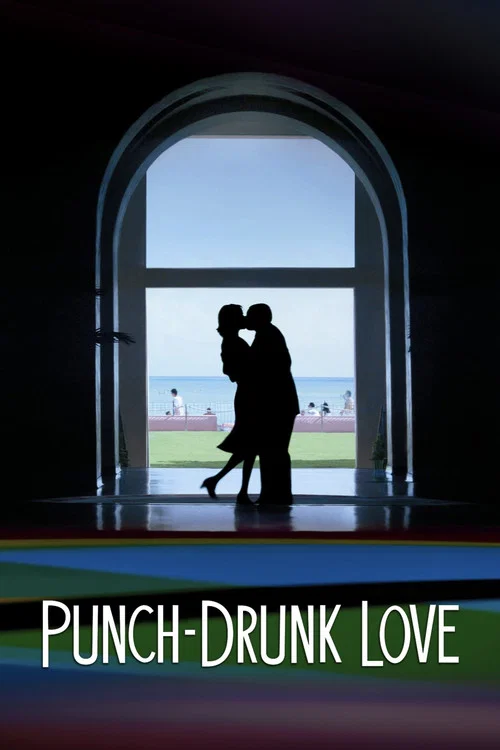
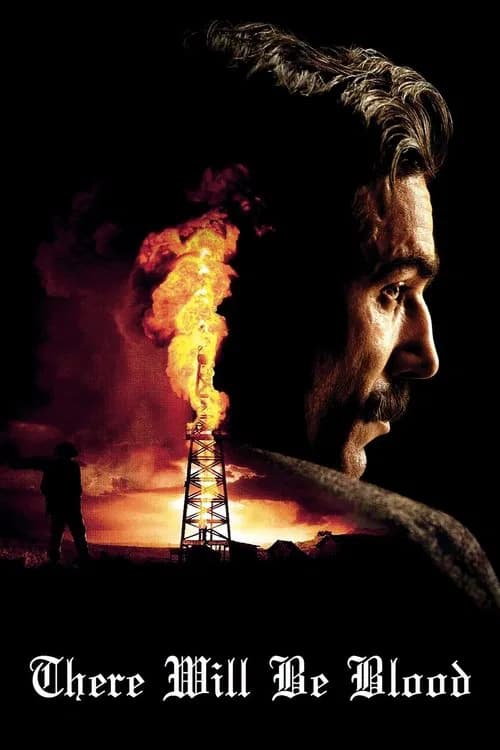
Paul Thomas Anderson directed Phantom Thread, released in 2017. CineCode also covers Boogie Nights (1997), Hard Eight (1997), Magnolia (1999), Punch-Drunk Love (2002), There Will Be Blood (2007), The Master (2012).
What films are similar to Phantom Thread?
Films that share techniques with Phantom Thread include Amadeus (1984), The Power of the Dog (2021), The Master (2012), Gemini Man (2019).