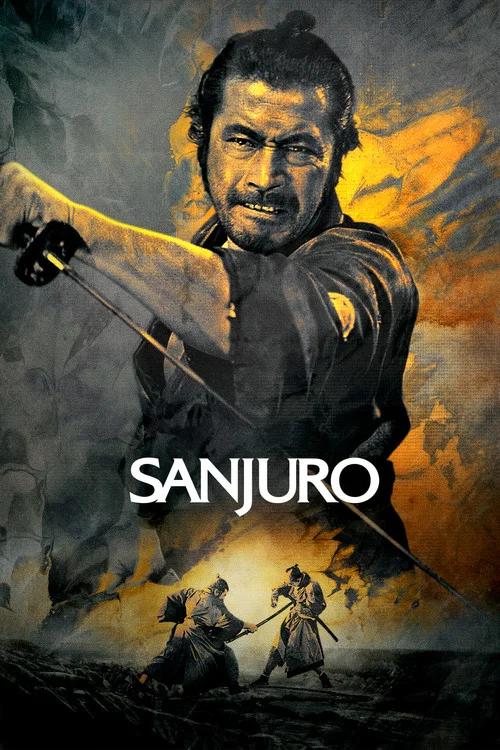
The scruffy samurai from Yojimbo stumbles onto 9 young idealists trying to expose corruption in their clan. They're brave and hopeless, so he reluctantly takes charge. It's a lighter, funnier sequel with one of the most shocking duels ever filmed. Pay attention to how Kurosawa makes you wait for the violence and then ends it in a second.
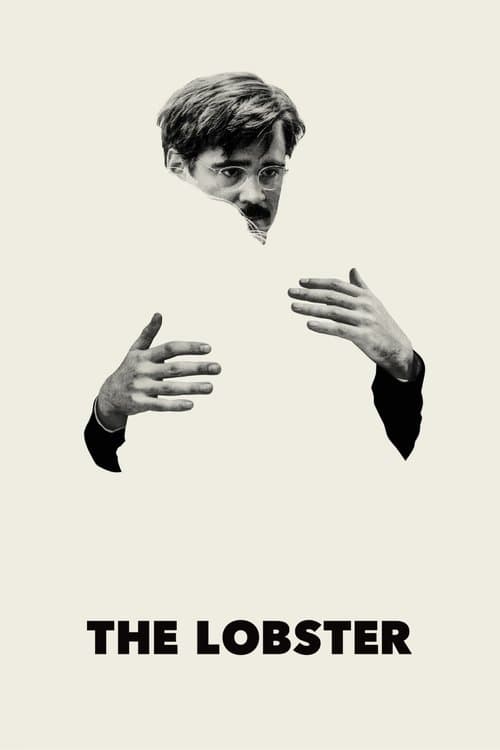
Sanjuro is a 1962 action, comedy and drama film directed by Akira Kurosawa. This breakdown covers 4 techniques (2 narrative, 1 psychology and 1 editing), each with the scene where you can see it. If you like how it is made, The Lobster uses several of the same techniques.
Showing extreme, violent or surreal events while the characters react as if nothing unusual is happening. That mismatch is funny and unsettling at the same time.
How this film uses it
The chamberlain's wife and daughter have just been rescued from armed guards, and they act like they're out for a stroll. The wife politely tells Sanjuro he kills too much. Her calm next to all the panic is where most of the jokes come from.
Where to see it
The hideout next door. Mutsuta's wife gently scolds Sanjuro for his violence and says the best sword is the one kept in its sheath.
Returning to the same physical object again and again until it means more than what it is. It moves the plot and also stands for the film's main ideas.
How this film uses it
Camellias keep coming back. Sanjuro names himself after the camellia trees he sees out the window, and the flowers become the signal to attack. A flower stands in for everything the wife says about restraint, and it ends up calling the samurai into a fight.
Where to see it
The camellias in the stream. Sanjuro tricks the villains into dumping the flowers into the water, and the young samurai downstream see them and charge.
Pairing the main character with a second character who mirrors them. The double shows what the hero wants, fears or secretly is.
How this film uses it
Hanbei is the villains' best fighter and Sanjuro's mirror. Both are restless outsiders who pick a side and kill for it. When Sanjuro finally faces him, he's facing the man he could easily become.
Where to see it
After the duel. The young samurai cheer, and Sanjuro snaps at them that Hanbei was just like him, a sword without a sheath.
Holding on quiet shots of characters watching and taking in the world around them, without cutting away. Glances, gestures and shared silence carry as much as any action.
How this film uses it
Sanjuro and Hanbei stand facing each other without moving for what feels like forever. Then they draw, and it's over. A huge spray of blood bursts from Hanbei's chest, which Kurosawa later said was an intentional experiment.
Where to see it
The final duel. The 2 men stare each other down in silence, Hanbei draws, Sanjuro is faster, and Hanbei falls in a geyser of blood.
Questions
Sanjuro: quick answers
What filmmaking techniques does Sanjuro use?
CineCode breaks down 4 techniques in Sanjuro (1962): Deadpan Absurdism, Symbolic Object, Psychological Doubling and Silent Observation Pacing.
Who directed Sanjuro?
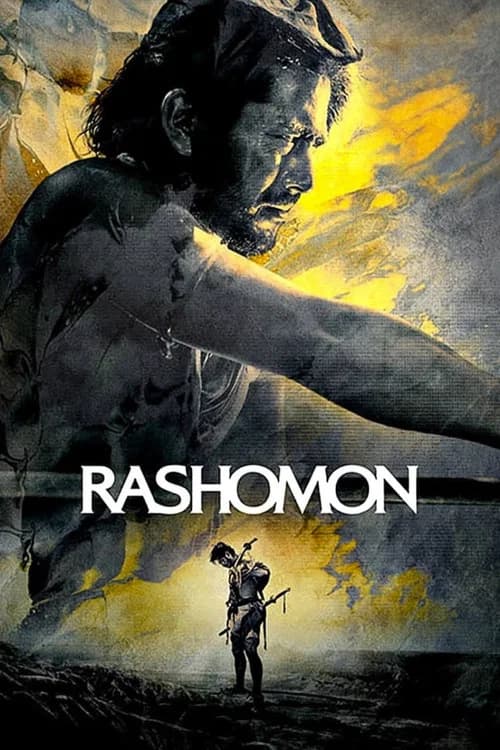
Akira Kurosawa directed Sanjuro, released in 1962. CineCode also covers Rashomon (1950), Ikiru (1952), Seven Samurai (1954), Throne of Blood (1957), The Hidden Fortress (1958), Yojimbo (1961).
What films are similar to Sanjuro?
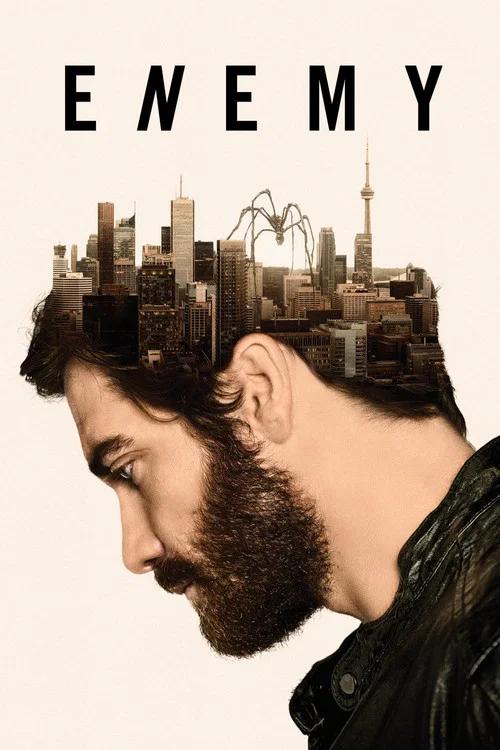
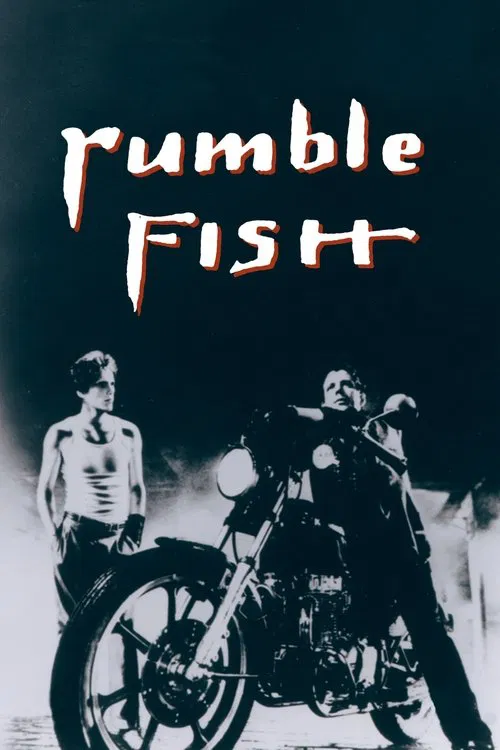
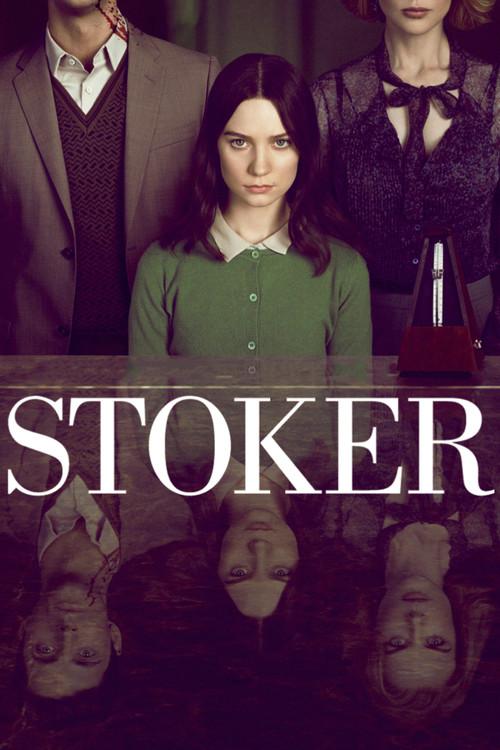
Films that share techniques with Sanjuro include The Lobster (2015), Enemy (2014), Rumble Fish (1983), Stoker (2013).