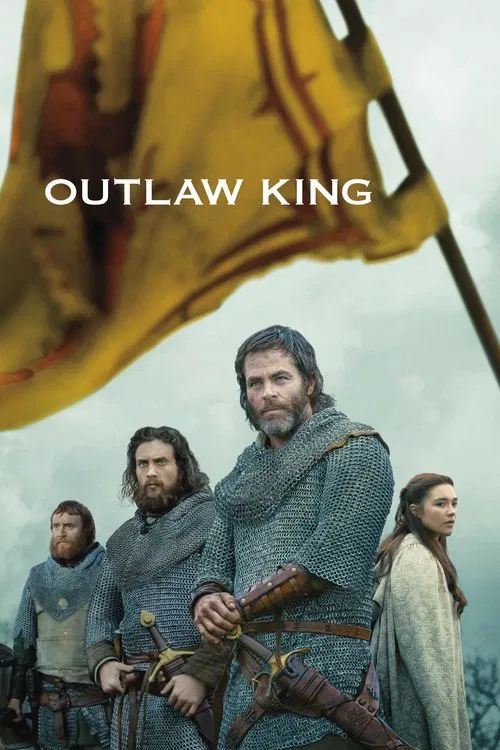
In 1304, Robert the Bruce submits to King Edward I of England. Soon he kills a rival, has himself crowned king of Scots and is chased across the country by English armies. David Mackenzie follows a rebellion built from almost nothing. The opening single take and the muddy final battle are the parts to study.
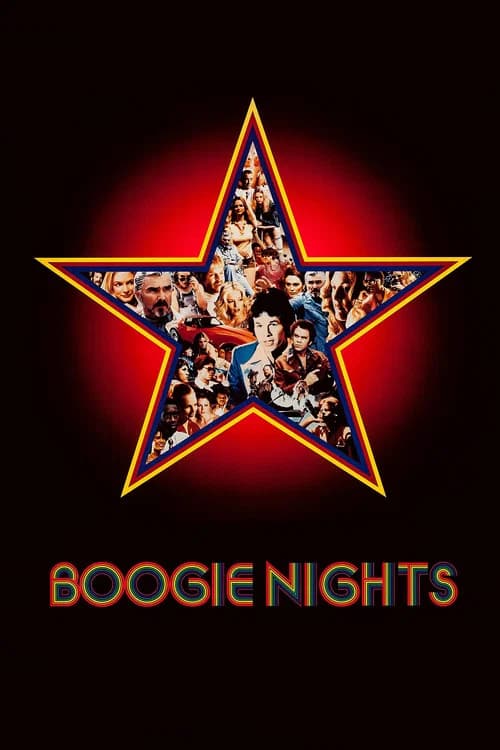
Outlaw King is a 2018 drama, history and war film directed by David Mackenzie. This breakdown covers 4 techniques (2 cinematography, 1 narrative and 1 psychology), each with the scene where you can see it. If you like how it is made, Boogie Nights uses several of the same techniques.
Moving the camera in 1 long, unbroken and carefully planned shot that follows the action through several spaces. You see how people fit into their world without a single cut.
How this film uses it
The film opens with an unbroken shot of roughly 8 to 9 minutes. It starts on a candle, pulls back to Scottish lords swearing loyalty to Edward I, follows Bruce out of the tent and ends at a huge siege catapult tested on the walls of Stirling Castle. You learn who holds power without a single cut.
Where to see it
The surrender at Stirling. Bruce and the Scottish lords kneel to Edward I outside the besieged castle.
Staging a battle in driving rain and deep mud, with fighters slipping and struggling through it. The violence looks unglamorous, exhausting and physically real.
How this film uses it
At Loudoun Hill, Bruce sets a wall of spears behind a ditch. The English cavalry charges into the wet ground, and the horsemen bog down in mud. The fighting looks heavy and unglamorous, with no clean heroic charge.
Where to see it
The Battle of Loudoun Hill. Bruce defeats a mostly cavalry force with a spear wall behind a ditch, and the English retreat.
Taking a character to the opposite of where they started, such as from weak to strong or from decent to compromised. That reversal is what the film is about.
How this film uses it
Bruce begins the film kneeling to Edward I and doing as he is told. He ends it as a hunted king who beats the English army and spares the new English king. That reversal is the story.
Where to see it
The final duel. Bruce spares Edward II after the English king breaks down.
Setting up a showdown where the supposedly strong ruler breaks down in front of his men. His fear shows how thin his claim to power really is.
How this film uses it
Edward II stays behind to fight Bruce in single combat, vomits in fear and cries for help. Bruce spares him. The English king looks frightened and the Scottish rebel looks calm, so the power in the scene flips.
Where to see it
The duel with Edward II. After the battle, the English king faces Bruce alone and cannot go through with it.
Questions
Outlaw King: quick answers
What filmmaking techniques does Outlaw King use?
CineCode breaks down 4 techniques in Outlaw King (2018): Tracking Shot Choreography, Rain-Mud Battle Naturalism, Character Arc Inversion and Hollow Authority Exposed.
Who directed Outlaw King?
David Mackenzie directed Outlaw King, released in 2018. CineCode also covers Hell or High Water (2016).
What films are similar to Outlaw King?
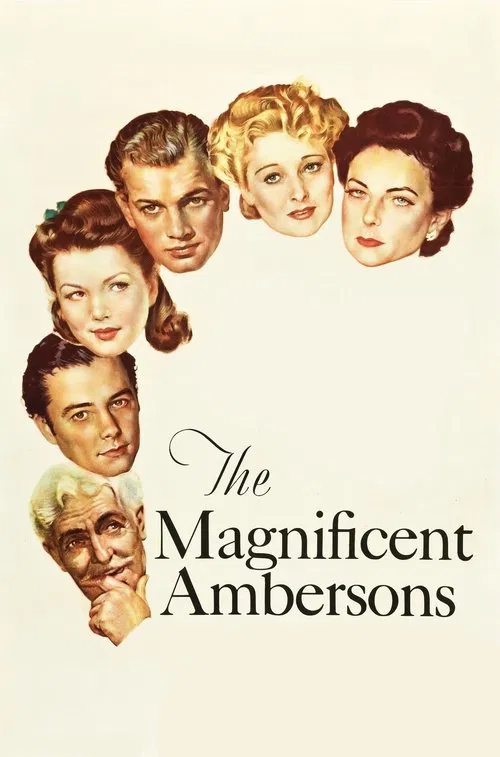
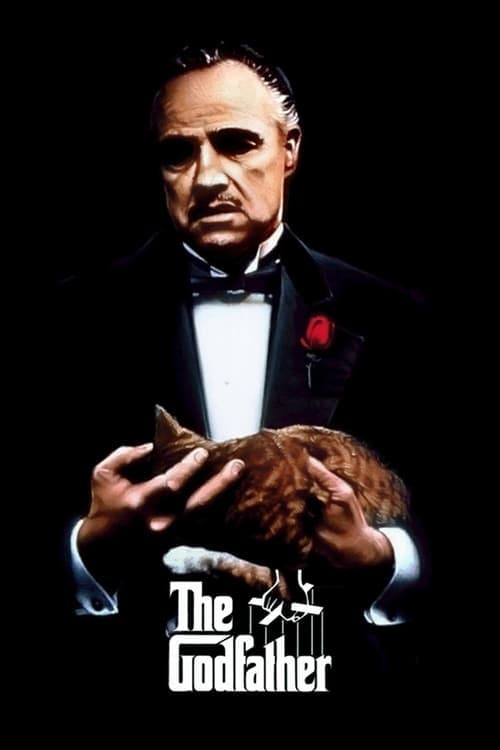
Films that share techniques with Outlaw King include Boogie Nights (1997), The Magnificent Ambersons (1942), The Godfather (1972), The Lord of the Rings: The Two Towers (2002).