Adventure · Drama · Fantasy

The Lord of the Rings: The Two Towers

Peter Jackson, 2002

With the Fellowship separated, 3 storylines unfold at once. Frodo and Sam are guided toward Mordor by the conflicted creature Gollum, while Aragorn's company defends Helm's Deep in the trilogy's defining battle. The middle chapter brings in moral ambiguity and the full cost of war.

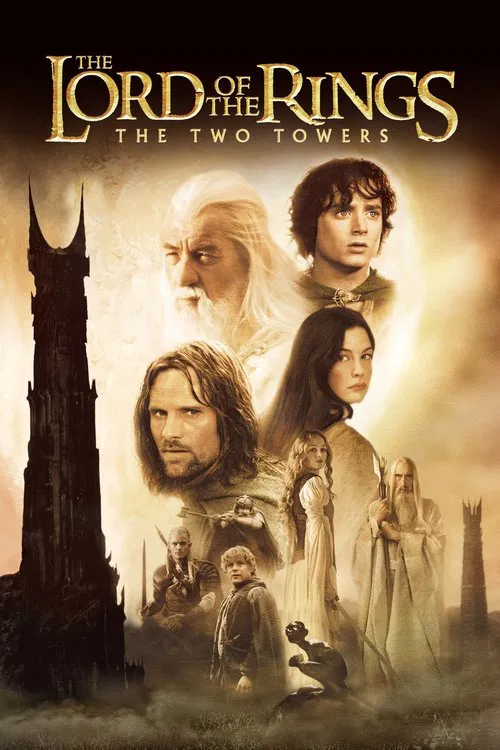
The Lord of the Rings: The Two Towers (2002) poster

At a glance

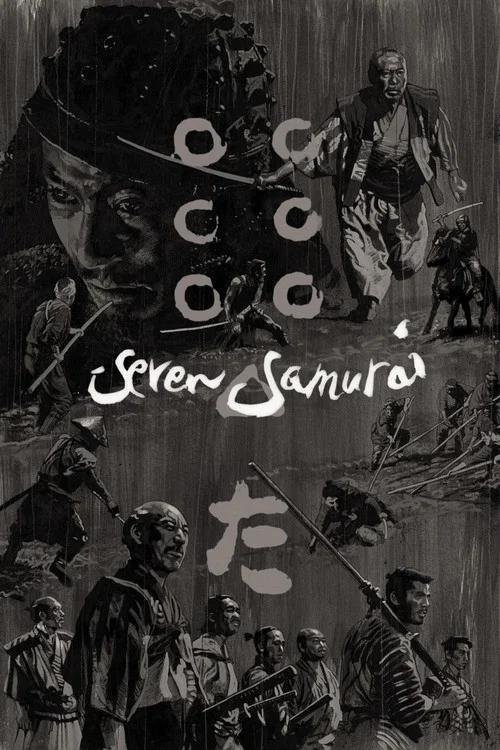
The Lord of the Rings: The Two Towers is a 2002 adventure, drama and fantasy film directed by Peter Jackson. This breakdown covers 5 techniques (1 editing, 3 cinematography and 1 narrative), each with the scene where you can see it. If you like how it is made, Seven Samurai uses several of the same techniques.

Editing

Three-Thread Parallel Cutting

Cutting between 3 or more storylines happening at the same time in different places. The pattern draws out shared themes and usually builds to a single combined climax.

How this film uses it

Jackson weaves together Frodo/Gollum, Aragorn/Helm's Deep and Merry/Pippin/Treebeard as 3 parallel stories that share no scenes. The film's rhythm (that is, how long it stays with each thread before cutting) makes you feel a war being fought on several fronts at once.

Where to see it

The crosscut of the Ents' march on Isengard against the fight at Helm's Deep. The threads reach their climaxes together.
Cinematography

Performance Capture Pioneer

Recording an actor's body movements and facial expressions and using that data to drive a fully digital character. The human performance survives inside a non-human form.

How this film uses it

Andy Serkis performed Gollum on set with the cast, then was motion-captured separately. WETA's digital artists built the creature around his performance. Gollum became the first performance-captured character to be taken seriously as acting.

Where to see it

Gollum's argument between his 2 personalities. The camera holds on a single CGI face that delivers 2 complete performances.

Cinematography

Siege Cinema

Staging a conflict as a long fight over a physical place, such as an assault on a fortress. Walls, streets, darkness and weather all become part of the drama.

How this film uses it

The 40-minute Helm's Deep sequence uses the fortress's specific architecture (the gate, the wall, the culvert, the keep) to organize the battle. You learn the layout the way the defenders would, so you know what each breach means.

Where to see it

The Uruk-hai blowing up the culvert wall. This is the turning point of the sequence.

Narrative

Externalized Inner Voice

Giving a character's conscience or split self a visible or audible form, so inner conflict plays out as dialogue with another presence.

How this film uses it

Gollum's 2 personalities argue with each other out loud. Serkis performs both voices while the camera holds on a single face. The scene was a breakthrough in form, since a digital character is pretty much playing a 2-person scene with itself.

Where to see it

Gollum's streamside argument. He says 'We wants it, we needs it... Sneaky little hobbitses'.

Cinematography

Rain-Mud Battle Naturalism

Staging a battle in driving rain and deep mud, with fighters slipping and struggling through it. The violence looks unglamorous, exhausting and physically real.

How this film uses it

Jackson and Lesnie shot the Helm's Deep sequence over about 3 months, mostly at night, in cold rain from rain machines. The rain soaks the actors and the equipment, and the footage has a physical misery that no dry set could give you.

Where to see it

The first assault. Torches go out, and arrows are fired into rain and darkness.

Questions

The Lord of the Rings: The Two Towers: quick answers

What filmmaking techniques does The Lord of the Rings: The Two Towers use?
CineCode breaks down 5 techniques in The Lord of the Rings: The Two Towers (2002): Three-Thread Parallel Cutting, Performance Capture Pioneer, Siege Cinema, Externalized Inner Voice and Rain-Mud Battle Naturalism.
Who directed The Lord of the Rings: The Two Towers?
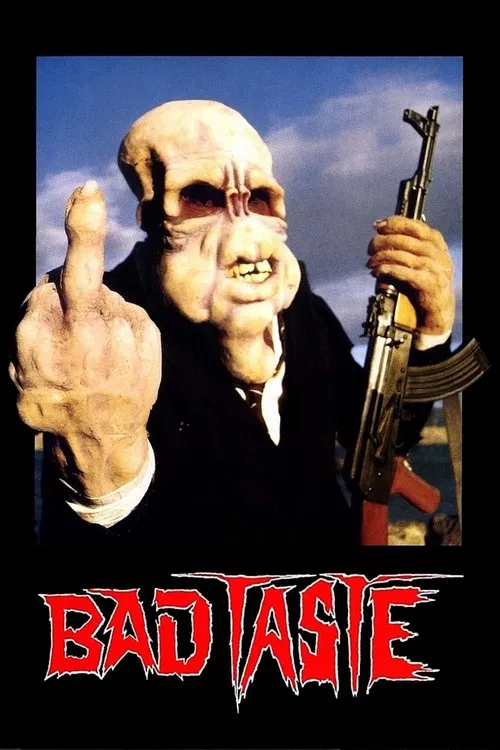
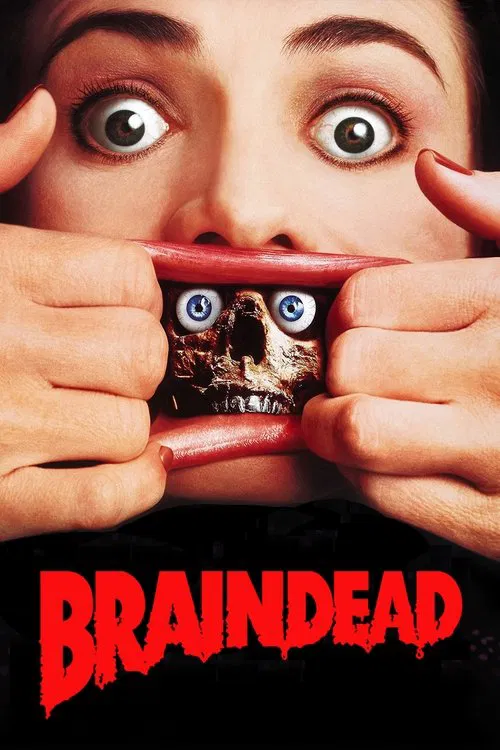
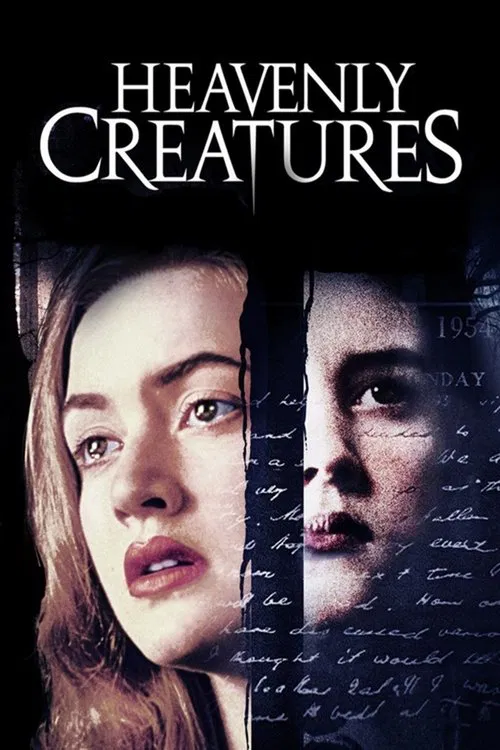
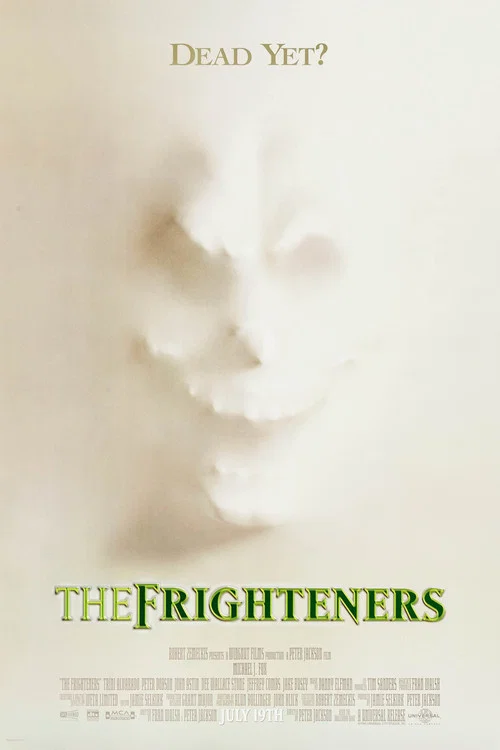
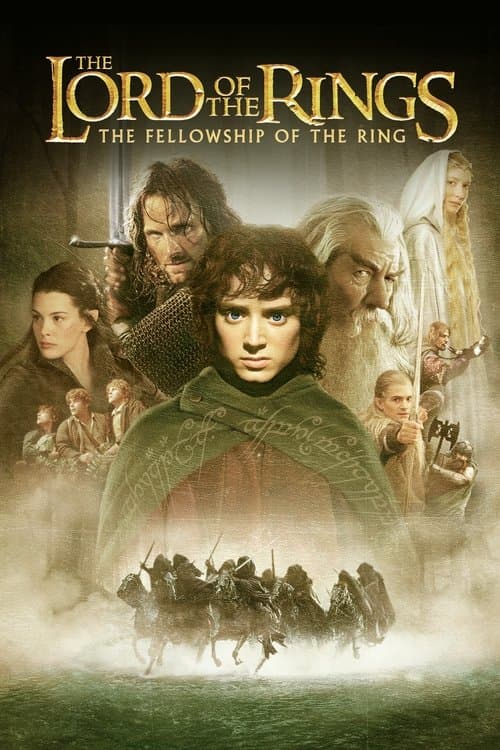
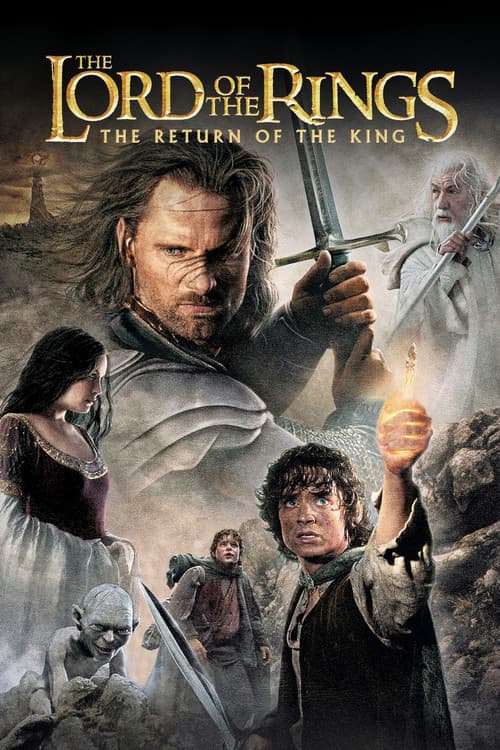
Peter Jackson directed The Lord of the Rings: The Two Towers, released in 2002. CineCode also covers Bad Taste (1987), Braindead (1992), Heavenly Creatures (1994), The Frighteners (1996), The Lord of the Rings: The Fellowship of the Ring (2001), The Lord of the Rings: The Return of the King (2003).
What films are similar to The Lord of the Rings: The Two Towers?
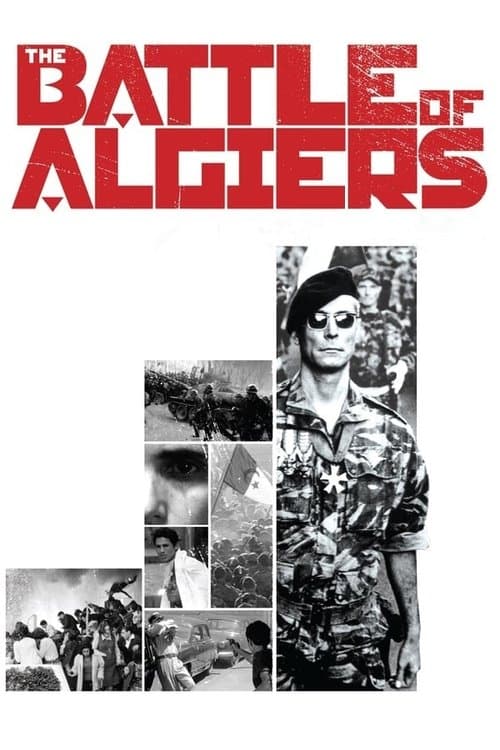
Films that share techniques with The Lord of the Rings: The Two Towers include Seven Samurai (1954), The Battle of Algiers (1966), Magnolia (1999), The Northman (2022).