Drama · Romance

The Magnificent Ambersons

Orson Welles, 1942

The Ambersons are the richest family in their Midwestern town until the automobile and a spoiled heir wear down their fortune. George Amberson Minafer grows arrogant, and his selfishness costs his mother her happiness. Worth watching for Welles's moving camera, and for the cut RKO took away from him.

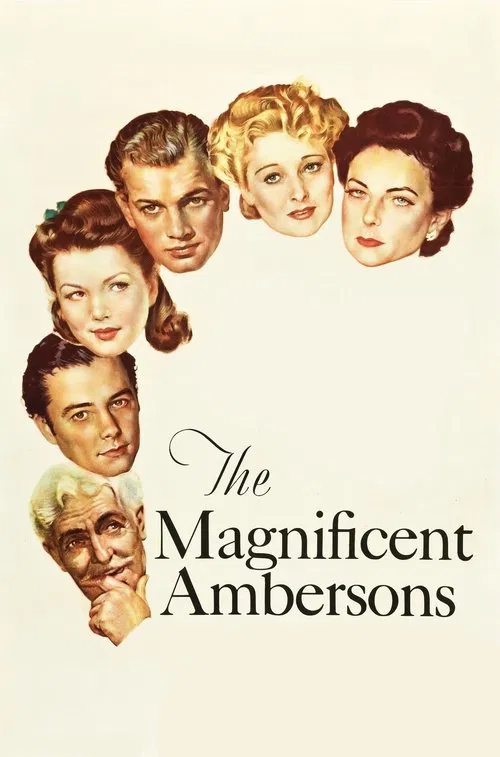
The Magnificent Ambersons (1942) poster

At a glance

The Magnificent Ambersons is a 1942 drama and romance film directed by Orson Welles. This breakdown covers 5 techniques (1 sound, 2 cinematography and 2 narrative), each with the scene where you can see it. If you like how it is made, Boogie Nights uses several of the same techniques.

Sound

Voiceover Narration Device

Using a narrator's voice to guide the story, either as flat documentary report or as a voice that gets interrupted. The narration shapes how much you trust the telling.

How this film uses it

Welles himself narrates the film and even speaks the closing credits. His calm, storybook voice sets up the family's rise before the story goes wrong.

Where to see it

The opening narration: Welles describes the town and the family's grandeur, then lets the story start.
Cinematography

Set as Total World

Building a set so complete, with its own weather, crowds, architecture and social rules, that it feels lived in. It reads as real until one deliberate slip shows that it was built.

How this film uses it

The Amberson mansion was built with walls that could move, so the camera could appear to pass through rooms in a continuous take. The house feels like a real, lived-in place.

Where to see it

The mansion interiors: the camera glides through rooms and staircases, as if the house is a character.

Cinematography

Tracking Shot Choreography

Moving the camera in 1 long, unbroken and carefully planned shot that follows the action through several spaces. You see how people fit into their world without a single cut.

How this film uses it

At a holiday ball in the mansion, the camera follows guests and family through the rooms. You see how George, Isabel and Eugene fit into the same social world.

Where to see it

The holiday ball: George mocks Eugene Morgan's automobile business while guests move in and out of the frame.

Narrative

Technology as Social Change

Showing a new machine slowly wearing away an old social order. The invention starts as a joke or a rival's hobby and ends as the force that changes everyone's fate.

How this film uses it

Eugene's cars are laughed at by George and the family. By the end the Amberson money is gone, and George is injured by an automobile.

Where to see it

The ball and the ending: George mocks Eugene's cars early, and a car later injures George after the family loses its money.

Narrative

Character Arc Inversion

Taking a character to the opposite of where they started, such as from weak to strong or from decent to compromised. That reversal is what the film is about.

How this film uses it

George starts as the most arrogant young man in town. After his mother dies and the family is ruined, he is humbled and hurt.

Where to see it

The hospital ending: after the studio recut the story, George is humbled and reconciles with Eugene and Lucy.

Questions

The Magnificent Ambersons: quick answers

What filmmaking techniques does The Magnificent Ambersons use?
CineCode breaks down 5 techniques in The Magnificent Ambersons (1942): Voiceover Narration Device, Set as Total World, Tracking Shot Choreography, Technology as Social Change and Character Arc Inversion.
Who directed The Magnificent Ambersons?
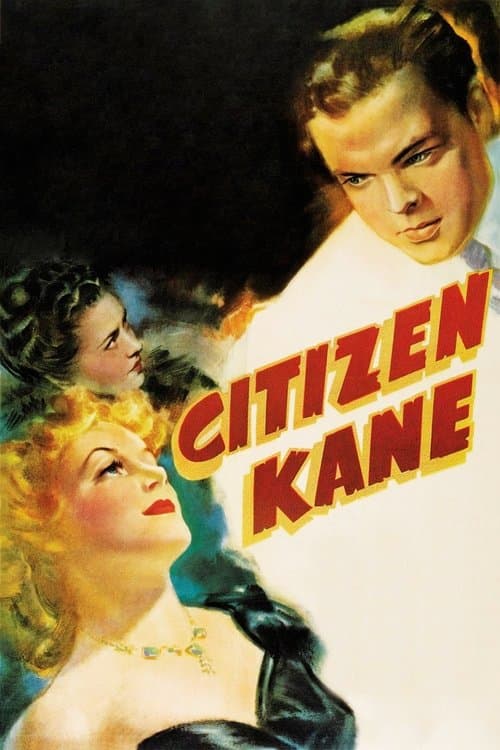
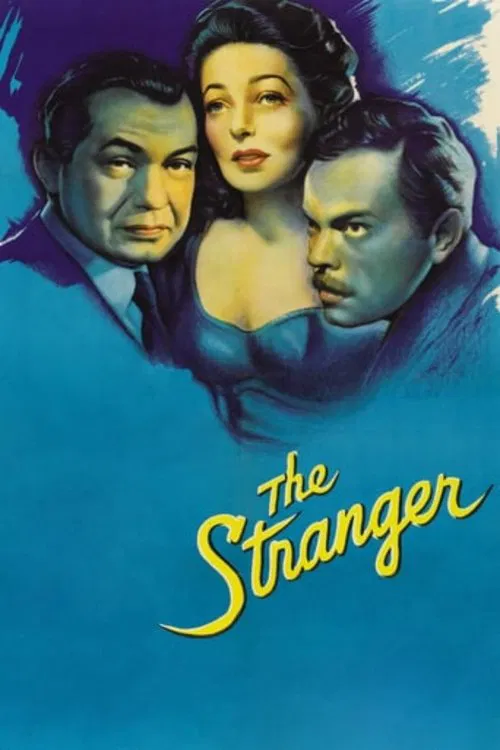
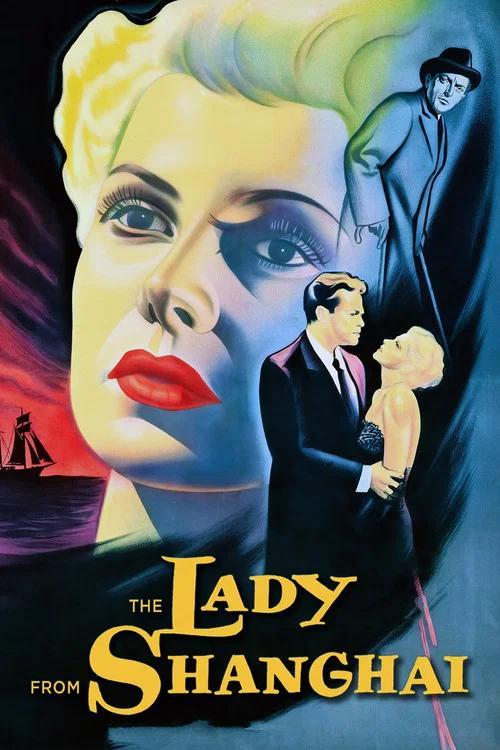
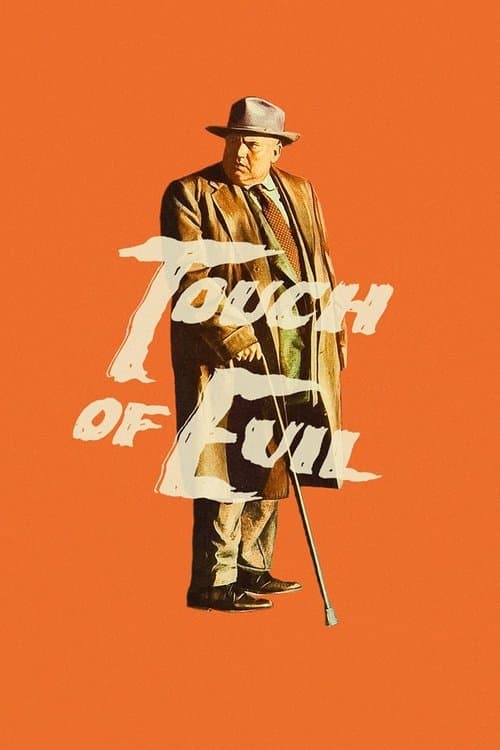
Orson Welles directed The Magnificent Ambersons, released in 1942. CineCode also covers Citizen Kane (1941), The Stranger (1946), The Lady from Shanghai (1947), Touch of Evil (1958), The Trial (1962), F for Fake (1973).
What films are similar to The Magnificent Ambersons?
Films that share techniques with The Magnificent Ambersons include Boogie Nights (1997), Hook (1991), Outlaw King (2018), The Godfather (1972).