
Room
Lenny Abrahamson · 2015
A young woman held captive for years in a garden shed has raised her five-year-old son in complete confinement, the eleven-by-eleven-foot space his entire known universe — until she engineers their escape into a world he has never seen. The film is about how love constructs reality.
Techniques Used
4 techniques identified in this film
Subjective Camera
CinematographyA camera perspective that places the audience inside a character's point of view, experiencing the world through their perceptual and psychological filter.
How this film uses it
Jack narrates and the camera frequently adopts his perspective on Room — the space filmed as wondrous and sufficient rather than horrifying, because to him it is the whole world.
Tonal Bifurcation
NarrativeA structural break in which a film's dominant emotional register shifts dramatically at a turning point, demanding a different engagement from the audience.
How this film uses it
The escape from Room is the film's midpoint, not its climax — and the second half inverts the first completely, the outside world becoming the traumatic space and the confined room a lost home.
Spatial Contraction
CinematographyThe use of tight framing and confined spaces to create psychological pressure, making the audience physically aware of the limits of a character's world.
How this film uses it
Danny Cohen's camera works within Room's actual dimensions — the tight angles and low ceilings not a stylistic choice but a documentary constraint that makes the eleven-foot space feel as real as it is unbearable.
Innocent Eye Narration
NarrativeThe use of a child or naïve narrator whose limited understanding of events creates dramatic irony — the audience knowing more than the narrator and suffering the gap.
How this film uses it
Jack's narration filters every horror through five-year-old comprehension — he understands that Old Nick is bad, that Room is their world, that Ma is sometimes sad — but not why, creating unbearable ironic distance.
You Might Also Like
Films that share at least one technique with Room
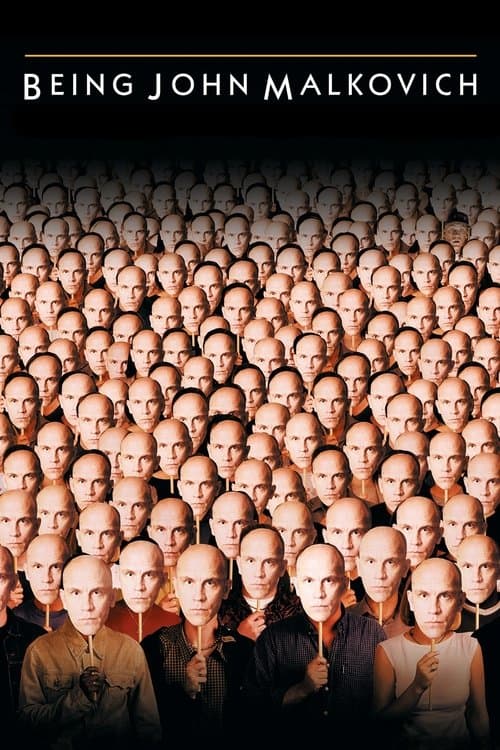
A puppeteer discovers a portal into the mind of actor John Malkovich and begins selling access by the quarter-hour, setting off a comic spiral about identity, desire, and the violence of inhabiting another person. Charlie Kaufman and Spike Jonze's film is the most audacious debut premise in American cinema — and it earns every inch of it.
Being John Malkovich
Spike Jonze · 1999

After a painful breakup, a man undergoes a procedure to erase his ex-girlfriend from his memory — but partway through, he changes his mind. A meditation on love, grief, and what makes experience worth having.
Eternal Sunshine of the Spotless Mind
Michel Gondry · 2004

A man from Alabama with a below-average IQ moves through fifty years of American history by accident, touching the lives of presidents and pop stars while never losing his fundamental decency. An emotional myth of American innocence told through the country's most turbulent decades.
Forrest Gump
Robert Zemeckis · 1994