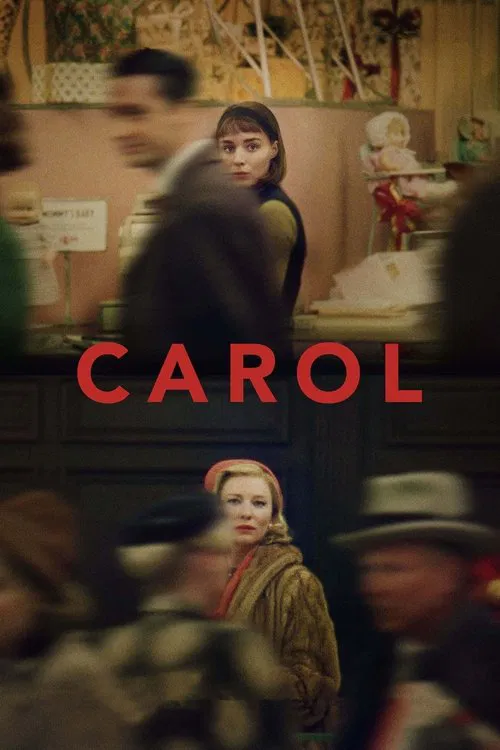
In 1952 New York, a young department store clerk falls in love with an older, married woman. Their relationship plays out during a divorce custody battle, in a McCarthy-era America that keeps people under watch. I feel like Todd Haynes' film is about desire that always has to behave as if someone is observing it.
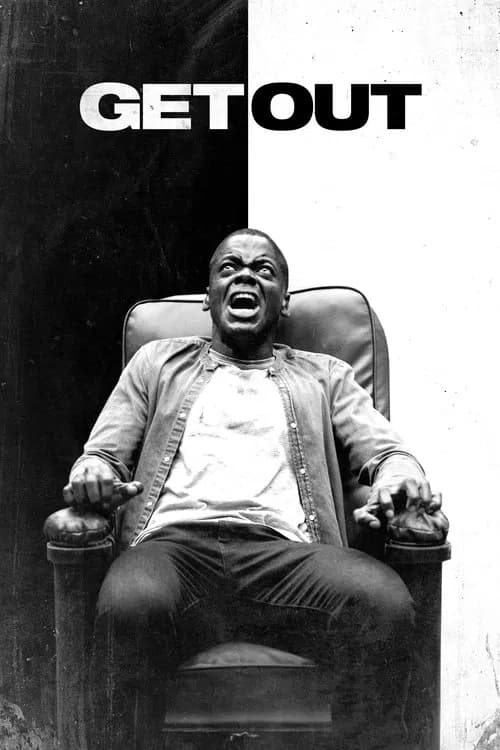
Carol is a 2015 drama and romance film directed by Todd Haynes. This breakdown covers 4 techniques (1 psychology and 3 cinematography), each with the scene where you can see it. If you like how it is made, Get Out uses several of the same techniques.
Paying attention to who is looking, who is being looked at and whose eyes the camera borrows. Looking becomes a form of power in the story.
How this film uses it
Haynes builds the film around looking. Therese is behind her camera, and Carol is seen through glass and at a distance. The women watch each other across rooms, so wanting someone and looking at them become the same act.
Where to see it
The first meeting at the department store. Therese and Carol's eyes find each other across the counter. The look lasts a second longer than good manners allow.
Filming characters from far away with a telephoto lens, which flattens the space between things. It feels like a documentary, with the camera as an uninvited witness to something real.
How this film uses it
Ed Lachman shoots much of the film through glass: windows, car windshields and rain-blurred surfaces. His telephoto lenses flatten the space and pull distant things close. The women's world feels intimate and watched at the same time, and desire is always seen from somewhere else.
Where to see it
Therese photographing Carol through her camera. The long lens flattens the distance between them, and taking the photograph becomes a way of possessing her.
Giving each time period or social world in the film its own set of colors. You always know where and when you are, and the colors carry a mood too.
How this film uses it
Lachman shot on Super 16mm film to get the grainy, warm and faded quality of early 1950s color photography. Every frame looks like a found photograph. The period look comes across as beautiful and short-lived.
Where to see it
The motel room scenes in Waterloo, Iowa. The amber grain of the Super 16 makes the intimacy feel fragile, as if the image itself might not survive.
Holding a close-up on an actor's face long enough to catch tiny changes in expression. You read what the character is thinking from details a wider shot would miss.
How this film uses it
Haynes films Blanchett and Mara in long close-ups. They catch the tiny facial expressions of women acting socially normal while feeling something they cannot express. The acting happens in the gap between what the face shows and what is going on inside.
Where to see it
The final scene in the Oak Room. Therese walks toward Carol, and Carol smiles. The close-ups catch the moment where composure and feeling split apart.
Questions
Carol: quick answers
What filmmaking techniques does Carol use?
CineCode breaks down 4 techniques in Carol (2015): The Gaze, Long-Lens Social Observation, Period Color Separation and Deliberate Close-Up Performance.
Who directed Carol?
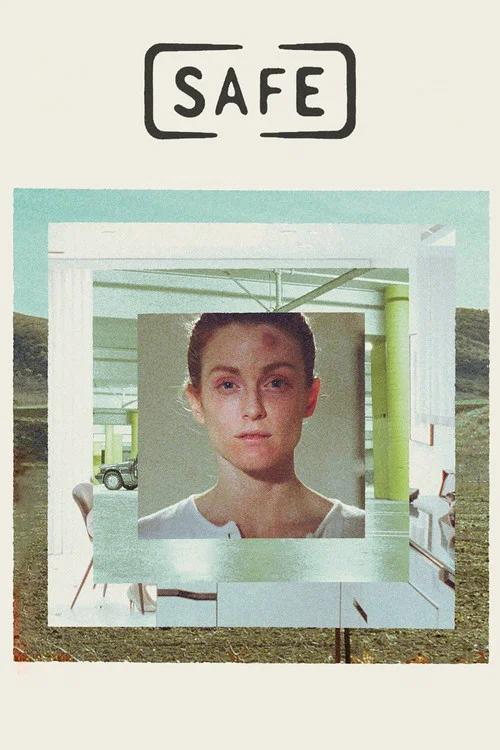
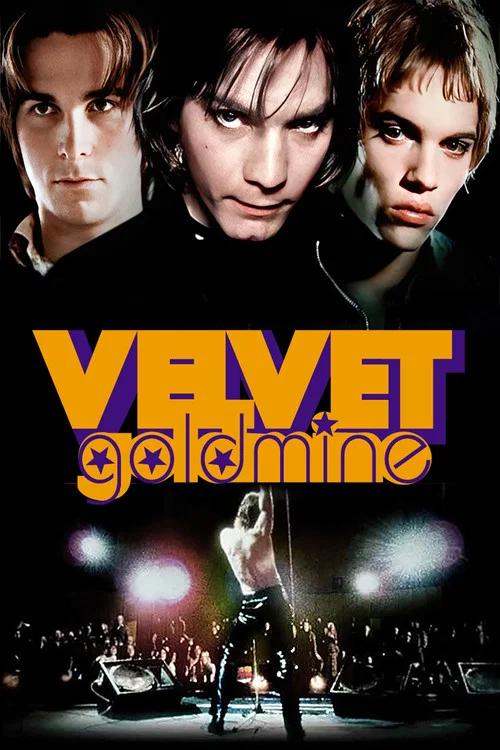
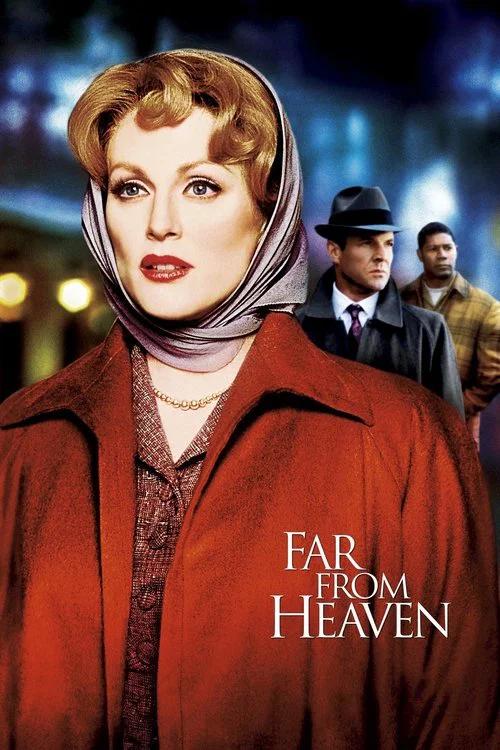
Todd Haynes directed Carol, released in 2015. CineCode also covers Safe (1995), Velvet Goldmine (1998), Far from Heaven (2002), I'm Not There (2007), Wonderstruck (2017), Dark Waters (2019).
What films are similar to Carol?
Films that share techniques with Carol include Get Out (2017), 28 Years Later: The Bone Temple (2026), The Godfather Part II (1974), The Matrix (1999).