Narrative technique · used in 10 films

Innocent Eye Narration

Having a narrator describe events in a plain, matter-of-fact way, sometimes without fully understanding them. You notice more than the narrator says, which creates irony and sympathy.

Examples

10 films that use it

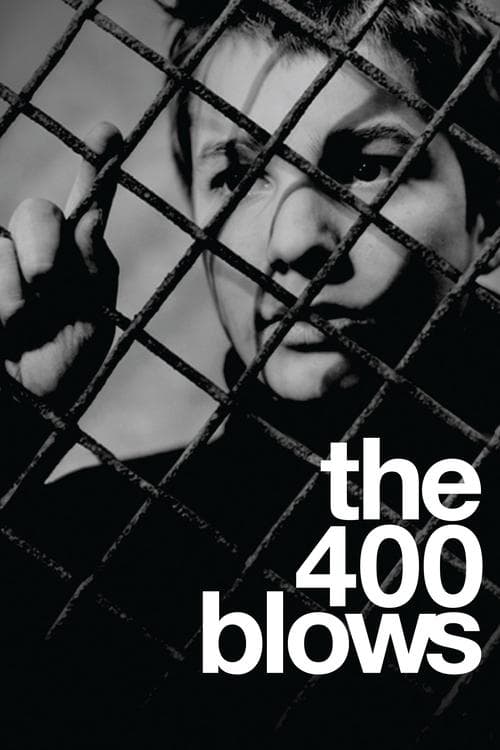
  1. The 400 Blows (1959) poster

    The 400 Blows

    François Truffaut · 1959

    Antoine sees his mother's affair, his teacher's vanity and the justice system's indifference. He has none of the excuses an adult would use to explain them away. The fact that he doesn't understand is the film's criticism. A child sees adult behavior more sharply because an adult's understanding would soften it.

    Where to see it: Antoine's discovery of his mother with another man. His reaction is practical and he passes no moral judgment. The child takes in an adult event without an adult's labels for it.
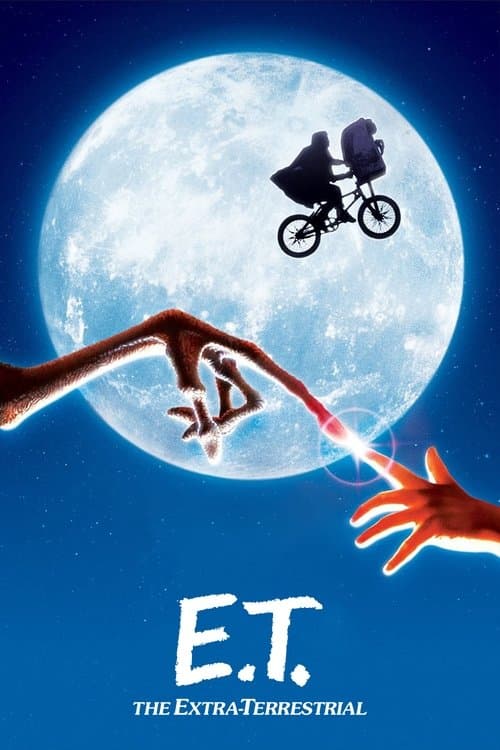
  2. E.T. the Extra-Terrestrial (1982) poster

    E.T. the Extra-Terrestrial

    Steven Spielberg · 1982

    Spielberg keeps almost the entire film inside what Elliott sees and understands. The government's threat, the alien's biology and the family's grief all reach you through a 10-year-old's mind. He doesn't have all the facts, but he feels everything completely.

    Where to see it: Elliott discovering E.T. in the shed. His fear gives way to curiosity. You work it out slowly along with him, and no adult steps in to explain.

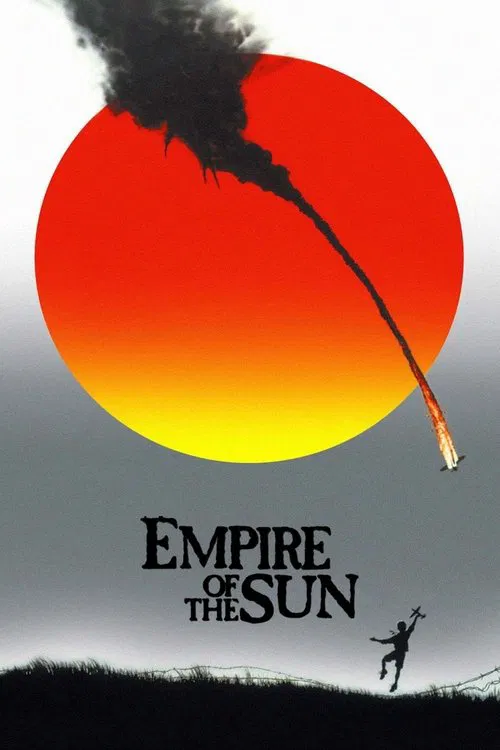
  3. Empire of the Sun (1987) poster

    Empire of the Sun

    Steven Spielberg · 1987

    The war is filtered through a young boy. He watches planes with a kind of awe and forms a bond with a Japanese trainee pilot. You see the danger and cruelty he doesn't fully register, which makes the scenes sadder.

    Where to see it: The camp scenes. Jim watches aircraft and the Japanese trainee pilot with admiration, even though he is a prisoner.

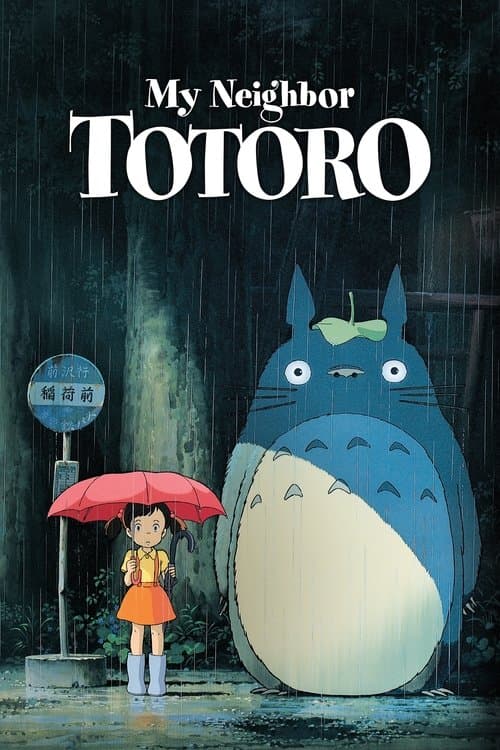
  4. My Neighbor Totoro (1988) poster

    My Neighbor Totoro

    Hayao Miyazaki · 1988

    The film never looks at events the way an adult would. Totoro is as real as the hospital, and every turn in the story follows what makes emotional sense to the children.

    Where to see it: Mei's solo discovery of the small and medium Totoros. The film treats it as a real encounter and takes it as seriously as an excited child would.

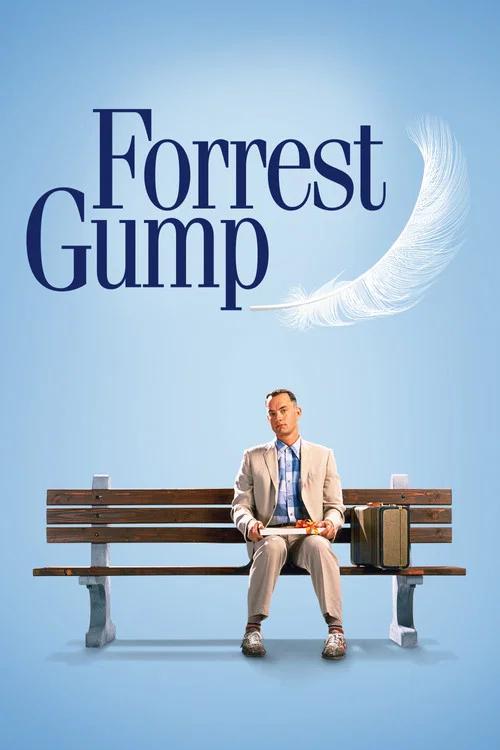
  5. Forrest Gump (1994) poster

    Forrest Gump

    Robert Zemeckis · 1994

    Forrest narrates his own extraordinary life with no idea how significant it is. He doesn't know he met presidents, started trends or inspired slogans. The irony is never cruel. It shows you the gap between history as people live it and history as the people who make it understand it.

    Where to see it: Forrest explaining to JFK that he needs to use the bathroom. His literal mind collides with a formal historic occasion.

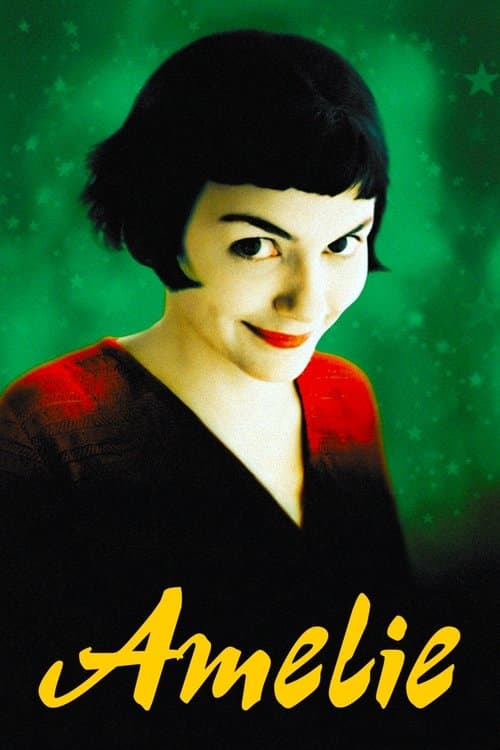
  6. Amélie (2001) poster

    Amélie

    Jean-Pierre Jeunet · 2001

    The narrator introduces every character through the small things they love and hate. Amélie likes dipping her hand in grain, cracking crème brûlée and skipping stones. That's where the film's particular feeling comes from. It's as if the universe is taking careful stock of each person, and every one of them matters equally and for specific reasons.

    Where to see it: The introduction of the café's regulars. Each one is summed up by their private quirks. The narration gives them the same attention Amélie herself gives the world.

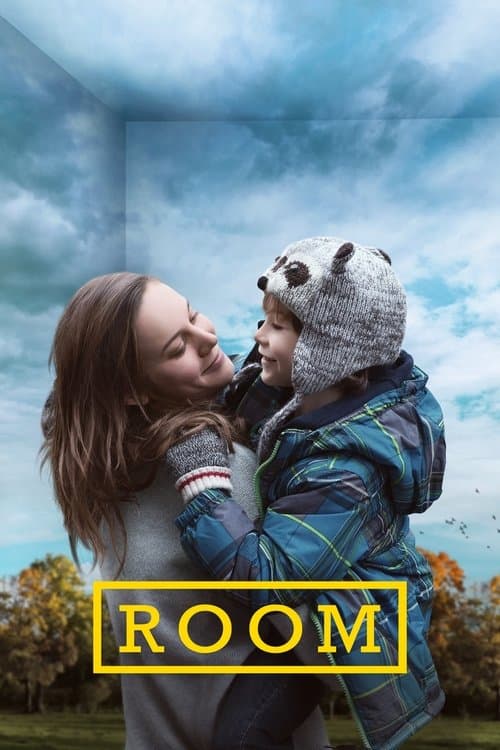
  7. Room (2015) poster

    Room

    Lenny Abrahamson · 2015

    Jack's narration passes every horror through what a 5-year-old can understand. He knows that Old Nick is bad, that Room is their world and that Ma is sometimes sad. He doesn't know why. You do, and that gap is pretty much unbearable.

    Where to see it: Jack describing Old Nick's visits from inside the wardrobe. He reports things he doesn't fully understand in a matter-of-fact voice.

  8. The Florida Project (2017) poster

    The Florida Project

    Sean Baker · 2017

    Moonee experiences her mother's money troubles as a series of adventures: the motels, the hustle, the moving from room to room. Baker films the poverty from the child's point of view, where none of it is tragic yet.

    Where to see it: Moonee and her friends begging for ice cream money outside a condominium. To the adults, it's a hustle. To the children, it's a game. You can read the same scene in 2 ways that don't fit together.

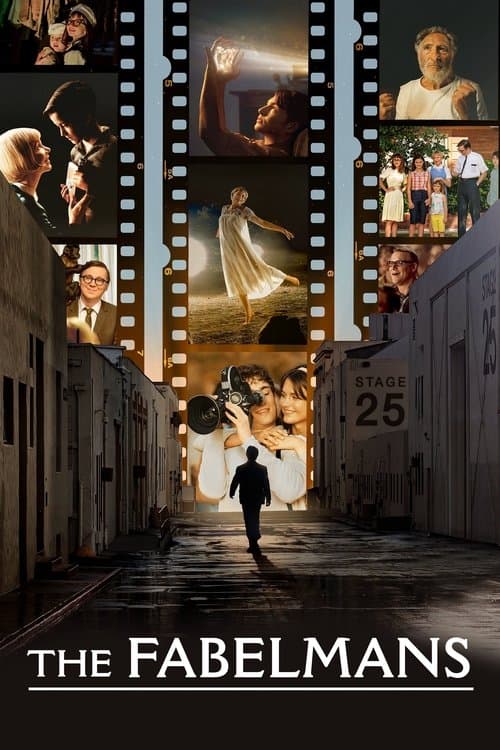
  9. The Fabelmans (2022) poster

    The Fabelmans

    Steven Spielberg · 2022

    Sammy Fabelman sees everything through the camera and understands only what a child can understand. The film lets you see what Sammy is too young to fully take in (the marriage's failure, the mother's needs, the father's obliviousness). It also stays true to how a child really experiences a family collapsing, which is in fragments and vague feelings.

    Where to see it: Sammy watching the camping footage. The child recorded it innocently, and an adult eye reads something different in it. Sammy is gathering evidence he can't interpret yet.

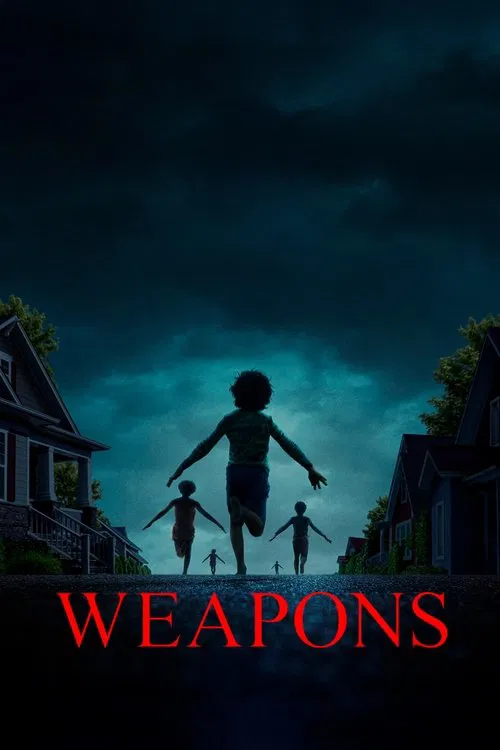
  10. Weapons (2025) poster

    Weapons

    Zach Cregger · 2025

    The film opens with a child's voice telling you about the night the kids disappeared. The narration sounds like a creepy story kids pass around, told plainly and without comment. You sense the narrator knows how it ends, so you keep listening for what they leave out.

    Where to see it: The opening. Over doorbell camera footage of children running out of their homes, a child narrator explains how 17 kids disappeared in one night.

Questions

Quick answers

What is innocent eye narration in film?
Having a narrator describe events in a plain, matter-of-fact way, sometimes without fully understanding them. You notice more than the narrator says, which creates irony and sympathy.
Which films use innocent eye narration?
The 400 Blows (1959), E.T. the Extra-Terrestrial (1982), Empire of the Sun (1987), My Neighbor Totoro (1988), Forrest Gump (1994), Amélie (2001) and 4 more films in the CineCode library.
What kind of technique is innocent eye narration?
It is a narrative technique. Related narrative techniques include Autobiographical Distance, Sentimental Realism, Single POV Restriction.