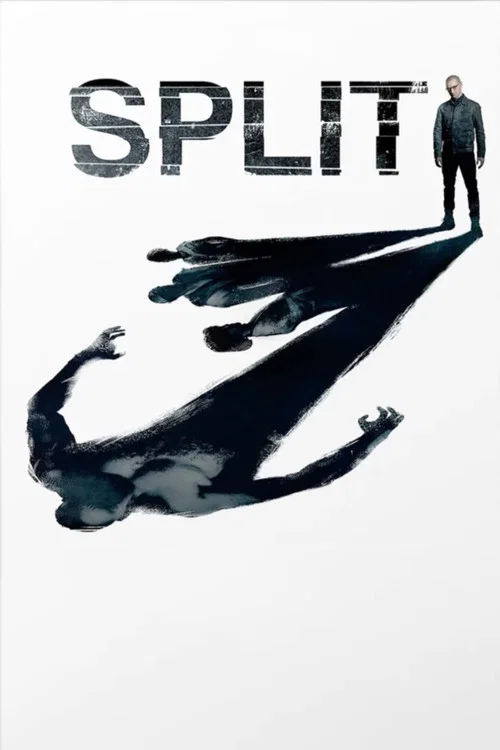
Three teenage girls are kidnapped by a man with 23 different personalities, and a 24th called the Beast is on its way. One of them, Casey, tries to outsmart each personality in turn. Watch how Shyamalan lets one actor switch identities in a single shot.
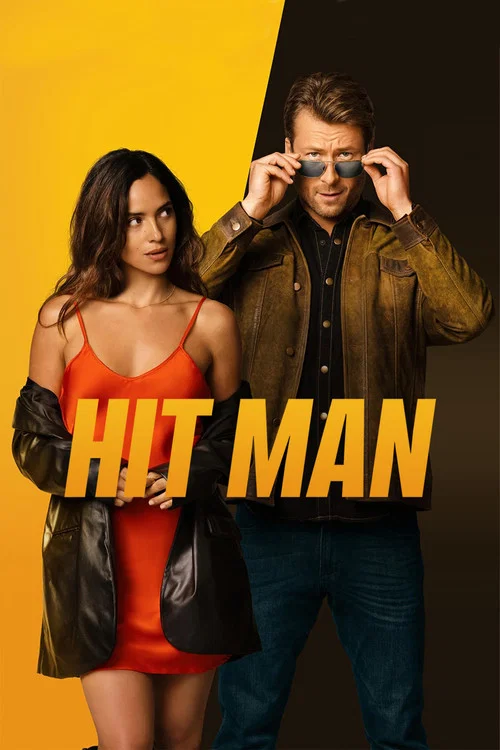
Split is a 2017 horror and thriller film directed by M. Night Shyamalan. This breakdown covers 5 techniques (3 psychology, 1 cinematography and 1 narrative), each with the scene where you can see it. If you like how it is made, Hit Man uses several of the same techniques.
Showing a character's sense of self being built, borrowed or stripped away by pressure, roles or the group. Who they are shifts with what they wear, say or join.
How this film uses it
Kevin's self has split into 23 alters that fight over who gets to be in control. His body language and voice change with each one, so you can tell who is in the room without a title card.
Where to see it
Taking the light: The alter Barry controls which identities get time out in the world, which keeps Dennis and Patricia sidelined.
Showing one character steering another through suggestion, reading, triggers or false trust. The manipulation works because the target wants to believe or cannot resist.
How this film uses it
The alters Patricia and Dennis steer the nine-year-old Hedwig to shut the others out. Casey does the same thing in reverse, reading each alter and pushing the right button to try to escape.
Where to see it
Working Hedwig: Patricia and Dennis manipulate Hedwig, and Casey later tries to manipulate the alters into helping her escape.
Letting a character's past damage change what they see or feel in the present. Symptoms and visions act as metaphors for what happened.
How this film uses it
Casey's past abuse is shown in flashbacks that cut into the kidnapping. It explains why she stays calm, and it changes the meaning of the ending when the Beast spares her.
Where to see it
Scars: The Beast sees Casey's self-harm scars, calls her pure because she has suffered, and lets her live.
Moving the story into a remote house, forest or landscape where no help can arrive. The quiet surroundings stop being a refuge and add to the dread.
How this film uses it
The girls are held in an underground lair, and their attempts at escape through a vent, a chair attack and a walkie-talkie all fail. The setting itself seems to hold them, because no help can find them there.
Where to see it
The lair: The girls are kept in rooms deep underground, which turn out to be beneath the Philadelphia Zoo.
Ending a self-contained story with a short scene that links it to a larger shared world. The tag rewards viewers who know the other films and sets up what comes next.
How this film uses it
The film ends with a quiet diner scene that has nothing to do with the kidnapping. A news report about the captor leads a character to name a famous criminal, and fans of an earlier film get a jolt.
Where to see it
Diner ending: A news report about The Horde prompts a waitress to recall a wheelchair-bound criminal, and David Dunn names him as Mr. Glass.
Questions
Split: quick answers
What filmmaking techniques does Split use?
CineCode breaks down 5 techniques in Split (2017): Identity Construction and Loss, Psychological Manipulation, Trauma Shaping Perception, Isolated Setting as Threat and Shared Universe Tease.
Who directed Split?
M. Night Shyamalan directed Split, released in 2017. CineCode also covers The Sixth Sense (1999).
What films are similar to Split?
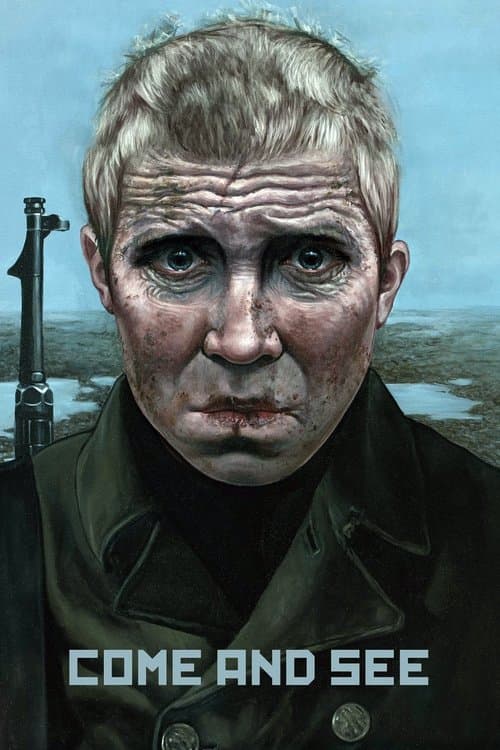
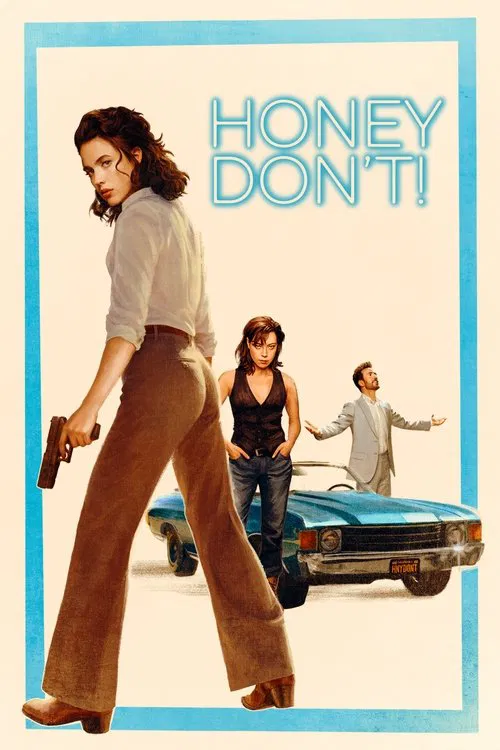
Films that share techniques with Split include Hit Man (2024), Come and See (1985), Lust, Caution (2007), Honey Don't! (2025).