Thriller · Drama · Crime

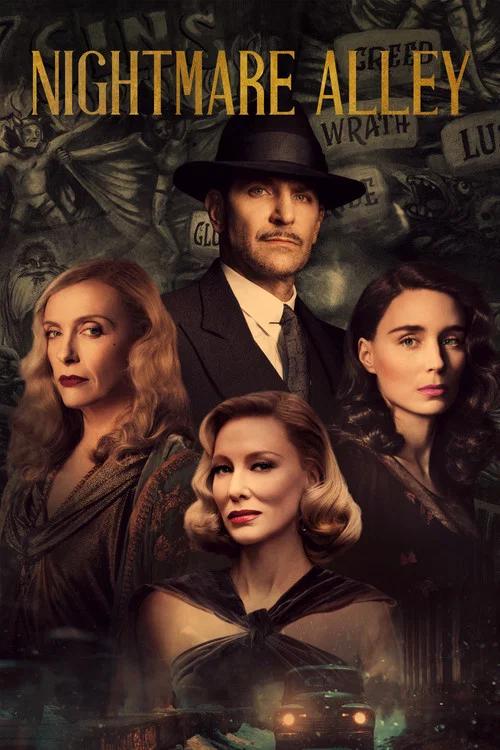
Nightmare Alley

Guillermo del Toro, 2021

A drifter joins a traveling carnival, learns the tricks of a fake mind reader and rises to fame as a psychic for rich city crowds. His plan to con a powerful man goes wrong. It is a noir that shows its whole fall in the shape of its structure and lighting.

Nightmare Alley (2021) poster

At a glance

Nightmare Alley is a 2021 thriller, drama and crime film directed by Guillermo del Toro. This breakdown covers 5 techniques (3 narrative, 1 cinematography and 1 psychology), each with the scene where you can see it. If you like how it is made, Cinema Paradiso uses several of the same techniques.

Narrative

Circular Structure

Ending the film where it started, or with a scene that echoes the opening. The repeat shows what has changed, or suggests the cycle will keep going.

How this film uses it

Stan first watches a geek, a performer who bites the head off a live chicken, when he walks into the carnival. At the end, he is offered a drink and a job as a geek. The repeat shows how far he has fallen and that the cycle was always there.

Where to see it

The ending: months later, a homeless Stan finds a new carnival, is offered a job as a geek, accepts and laughs.
Narrative

Tragic Inversion Structure

Structuring the story so a character's rise or cruelty is mirrored by its opposite. A parallel story shows a different outcome, or a powerful figure loses everything in ways that echo earlier wrongs.

How this film uses it

Stan rises from carnival hand to star psychic for Buffalo's elite, and each step up sets up the same fall. The man who looked down at a geek ends up as one.

Where to see it

The Buffalo act: two years later, Stan runs a successful psychic act for Buffalo's rich audiences.

Narrative

The Long Reveal

Holding back a key piece of information for a large part of the film, then revealing it in 1 moment. Everything you already watched now means something different.

How this film uses it

The film opens with Stan hiding his dead father under the floorboards and burning the house. How his father died comes much later, in one flashback. It changes how you read the man you have been following.

Where to see it

The flashback: after fleeing Ritter's office, a flashback shows that Stan killed his bedridden father by exposing him to the cold.

Cinematography

Chiaroscuro Lighting

Lighting a scene with strong contrast between bright light and deep shadow, a style borrowed from old paintings called chiaroscuro. How lit a character is hints at their moral or mental state.

How this film uses it

Cinematographer Dan Laustsen has said the team lit the film like a black-and-white movie and shot it in color, with strong contrast. Faces sit half in light and half in shadow. That fits a story about people who hide things.

Where to see it

Ritter's office: Stan goes to collect his savings and learns that Lilith Ritter has been manipulating him.

Psychology

Psychological Manipulation

Showing one character steering another through suggestion, reading, triggers or false trust. The manipulation works because the target wants to believe or cannot resist.

How this film uses it

Stan learns cold reading and coded patter from Madame Zeena and her husband Pete. He later uses the skills on grieving people. Once you know the method, you watch the trust of the marks as a sad thing.

Where to see it

The Kimball reading: Judge Kimball asks Stan to contact the couple's dead son, and Stan's act pays well.

Questions

Nightmare Alley: quick answers

What filmmaking techniques does Nightmare Alley use?
CineCode breaks down 5 techniques in Nightmare Alley (2021): Circular Structure, Tragic Inversion Structure, The Long Reveal, Chiaroscuro Lighting and Psychological Manipulation.
Who directed Nightmare Alley?
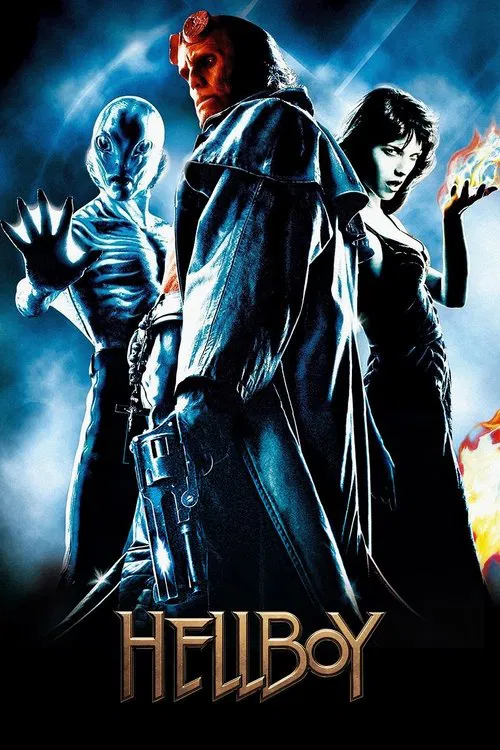
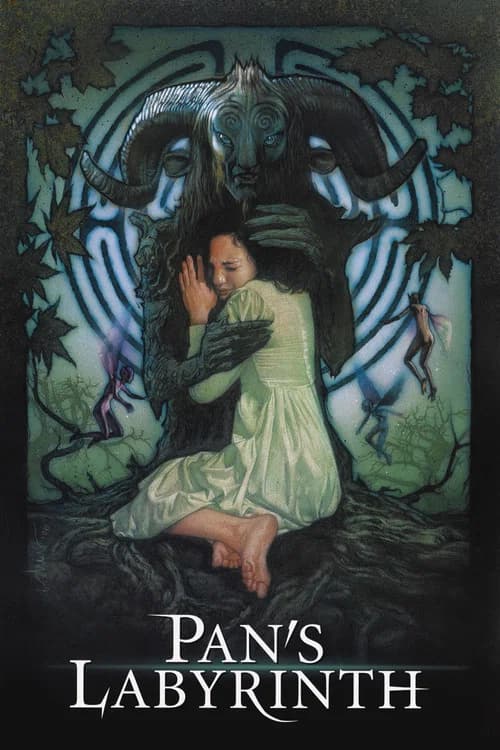
Guillermo del Toro directed Nightmare Alley, released in 2021. CineCode also covers Cronos (1993), Mimic (1997), The Devil's Backbone (2001), Blade II (2002), Hellboy (2004), Pan's Labyrinth (2006).
What films are similar to Nightmare Alley?
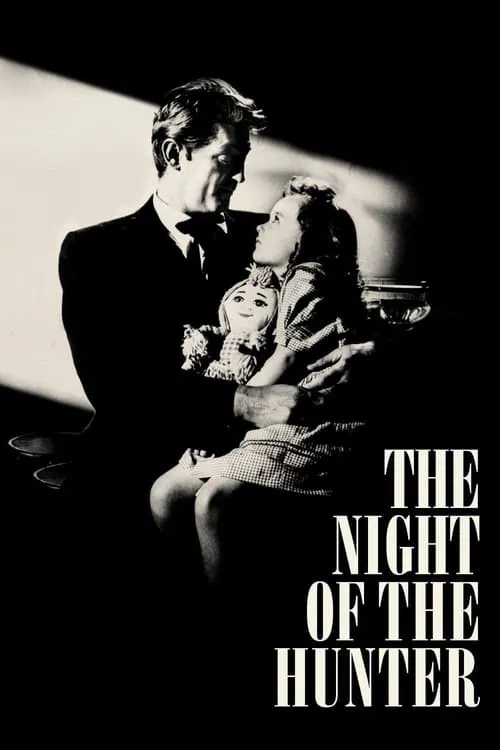
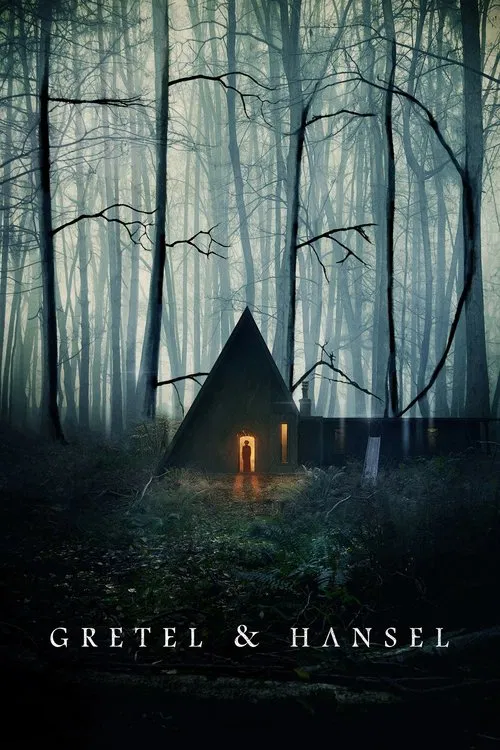
Films that share techniques with Nightmare Alley include Cinema Paradiso (1988), Chinatown (1974), Night of the Hunter (1955), Gretel & Hansel (2020).