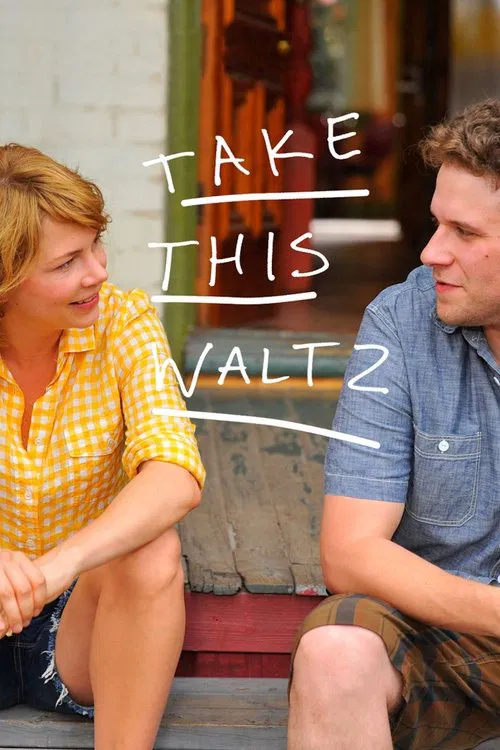
Margot, a freelance writer, is happily married to Lou until she meets Daniel, an artist who lives across the street. As their bond grows, she has to decide whether to leave a comfortable life for the thrill of someone new. For filmmakers, it asks what happens after the thrill.
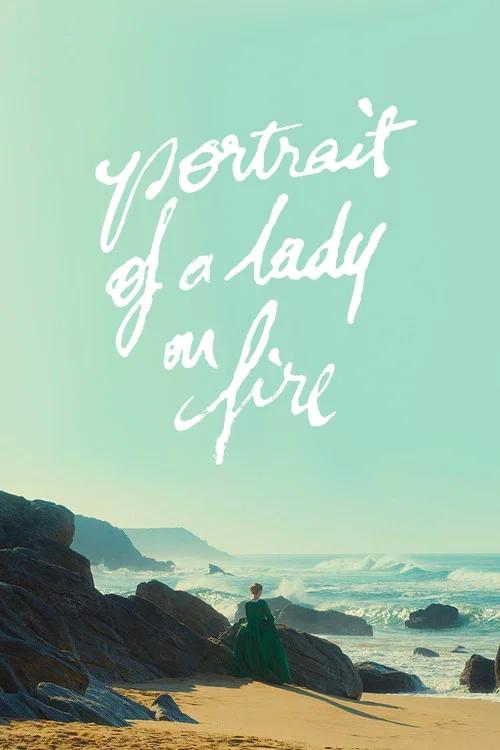
Take This Waltz is a 2011 drama and romance film directed by Sarah Polley. This breakdown covers 5 techniques (3 narrative, 1 sound and 1 psychology), each with the scene where you can see it. If you like how it is made, Portrait of a Lady on Fire uses several of the same techniques.
Building a love story around 3 people, where each pair has its own relationship and the third person always gets in the way. Your sympathy shifts because each of them has a fair claim.
How this film uses it
Margot's marriage to Lou and her pull toward Daniel never sit in neat boxes. Each pair has its own warmth, so you cannot easily pick a side. Daniel even ends up at their anniversary outing.
Where to see it
Rickshaw ride: Daniel offers to rickshaw Margot and Lou to a movie theater, and Lou, unaware, accepts.
Putting women at the center as leads, leaders and villains, and letting their choices drive every major plot turn. The story treats this as normal and never makes their gender the subject.
How this film uses it
Margot's choices drive every turn of the story, and the film follows her. Her friend Geraldine's struggles matter too. The plot treats a woman's wants as normal and worth the whole film.
Where to see it
Divorce: After Daniel moves out, Margot tells Lou she wants a divorce.
Playing an existing popular song at a precise moment in the film. The song's lyrics, era and associations add irony, period feel or emotion that an original score could not.
How this film uses it
The Buggles' Video Killed the Radio Star plays on the amusement park ride. The song's bright, nostalgic energy fits a day where Margot feels young again.
Where to see it
Amusement park day: Margot and Daniel spend a day on a picnic and an amusement park ride.
Ending the film where it started, or with a scene that echoes the opening. The repeat shows what has changed, or suggests the cycle will keep going.
How this film uses it
The film ends with Margot alone on an amusement park ride, echoing her earlier day there with Daniel. The same ride that once meant thrill now feels like routine. You see how much has changed and how little.
Where to see it
Ending: Some time later, Margot and Daniel have fallen into a routine like her old one, and the film closes with Margot alone on the ride.
Showing a character who holds feelings down until they leak out or burst. The performance lives in what is withheld, and the release lands harder for the wait.
How this film uses it
Margot and Daniel hold their feelings back for much of the film. Daniel resents her marriage but stays physically distant. The wordless pool scene says what neither of them will.
Where to see it
Wordless pool: Margot and Daniel share a wordless moment in a pool.
Questions
Take This Waltz: quick answers
What filmmaking techniques does Take This Waltz use?
CineCode breaks down 5 techniques in Take This Waltz (2011): Romantic Triangle Geometry, Female Agency as Structural Default, Pop Music Needle Drop, Circular Structure and Repressed Emotion.
Who directed Take This Waltz?
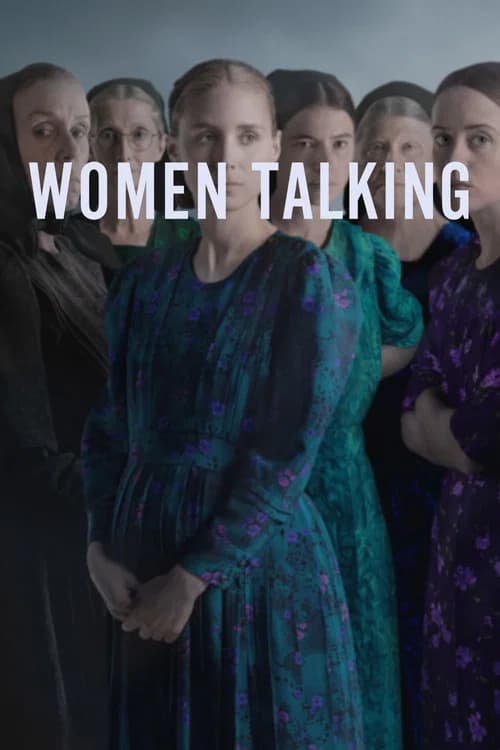
Sarah Polley directed Take This Waltz, released in 2011. CineCode also covers Women Talking (2022).
What films are similar to Take This Waltz?
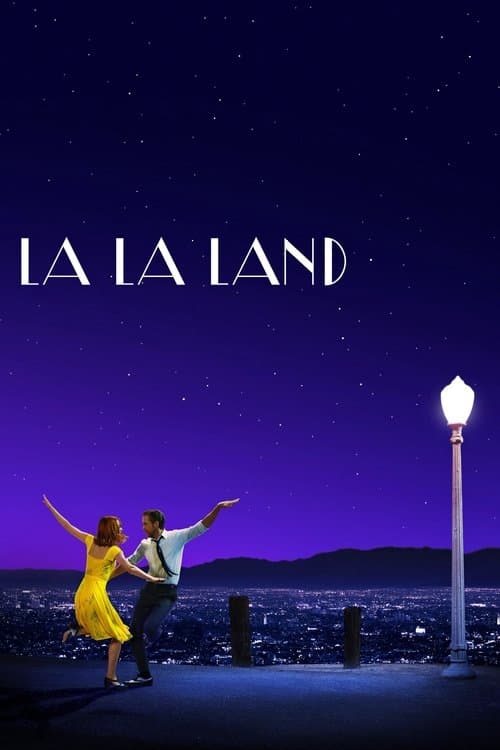
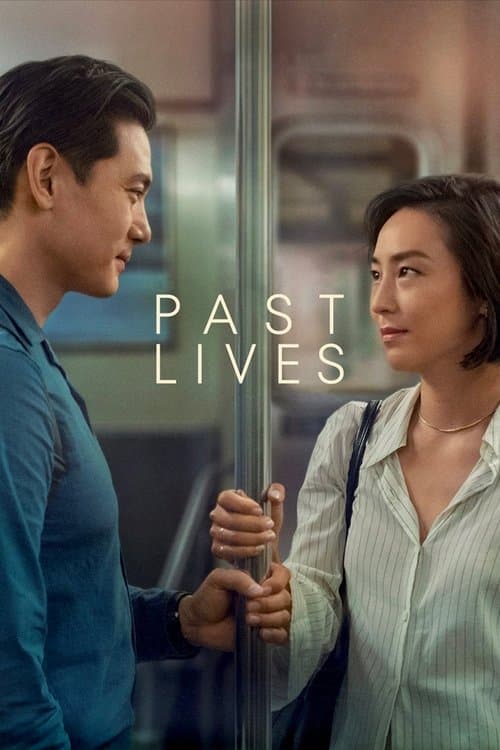
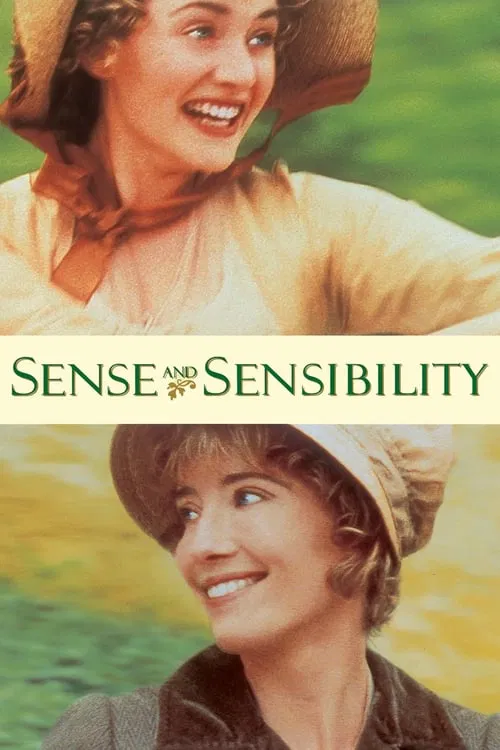
Films that share techniques with Take This Waltz include Portrait of a Lady on Fire (2019), La La Land (2016), Past Lives (2023), Sense and Sensibility (1995).