Crime · Thriller · Drama

Jackie Brown

Quentin Tarantino, 1997

Jackie Brown, a flight attendant, smuggles cash for a gun dealer named Ordell. When the law catches her, she plans a double cross with the help of a bail bondsman named Max Cherry. Based on an Elmore Leonard novel. Worth watching as a filmmaker for how one money switch is told from three sides.

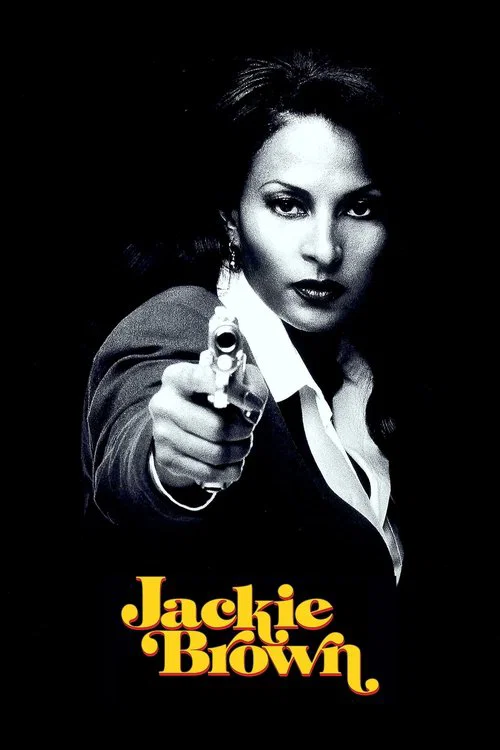
Jackie Brown (1997) poster

At a glance

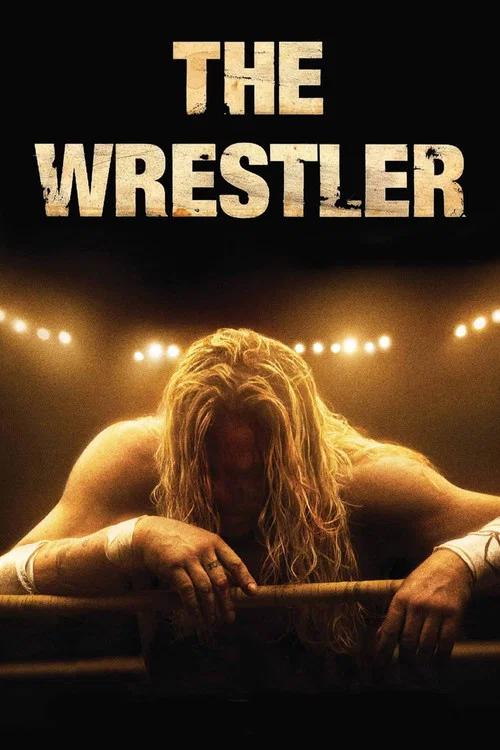
Jackie Brown is a 1997 crime, thriller and drama film directed by Quentin Tarantino. This breakdown covers 4 techniques (1 editing, 1 sound and 2 narrative), each with the scene where you can see it. If you like how it is made, The Wrestler uses several of the same techniques.

Editing

Repeated Event Retelling

Showing the same event again from a different position, character or time. Each replay adds or changes information and shifts what the audience believes.

How this film uses it

The mall money exchange plays out three times, following Jackie, then Louis and Melanie, then Max. Each version fills in what the others could not see. By the third, you know more than any single character does.

Where to see it

Mall money exchange: Jackie leaves Melanie only part of the money, and the scene is replayed from Louis and Melanie's side and then Max's.
Sound

Pop Music Needle Drop

Playing an existing popular song at a precise moment in the film. The song's lyrics, era and associations add irony, period feel or emotion that an original score could not.

How this film uses it

The film uses songs by The Delfonics, Bill Withers and others, plus funk from an older film, not a new score. The opening plays Bobby Womack over Jackie's walk through the airport, and the song gives the scene its swagger. Because the songs are old, they put you in a tired, soulful 1970s mood.

Where to see it

Opening credits: Jackie rides the airport moving walkway as Bobby Womack's Across 110th Street plays, echoing the airport walk in The Graduate.

Narrative

Aging Star as Subject

Letting the performers' real age and screen history carry the story, so time, fading status and the weight of earlier roles become part of the drama.

How this film uses it

Pam Grier, who starred in Coffy and Foxy Brown, plays Jackie. The opening title typeface matches Foxy Brown, and the film uses Roy Ayers's funk score from Coffy. Grier's past roles sit behind every scene, so Jackie feels like someone who has survived a lot.

Where to see it

Gun in the glovebox: Ordell arrives to kill Jackie, but she draws a gun she took from Max's glovebox.

Narrative

Female Agency as Structural Default

Putting women at the center as leads, leaders and villains, and letting their choices drive every major plot turn. The story treats this as normal and never makes their gender the subject.

How this film uses it

Jackie makes the big choices. She plays the police and Ordell against each other and tells nobody the whole plan. The film treats this as normal. You watch her think, and every plot turn comes from her.

Where to see it

Department store switch: Jackie swaps bags in a dressing room and leaves most of the money for Max.

Questions

Jackie Brown: quick answers

What filmmaking techniques does Jackie Brown use?
CineCode breaks down 4 techniques in Jackie Brown (1997): Repeated Event Retelling, Pop Music Needle Drop, Aging Star as Subject and Female Agency as Structural Default.
Who directed Jackie Brown?
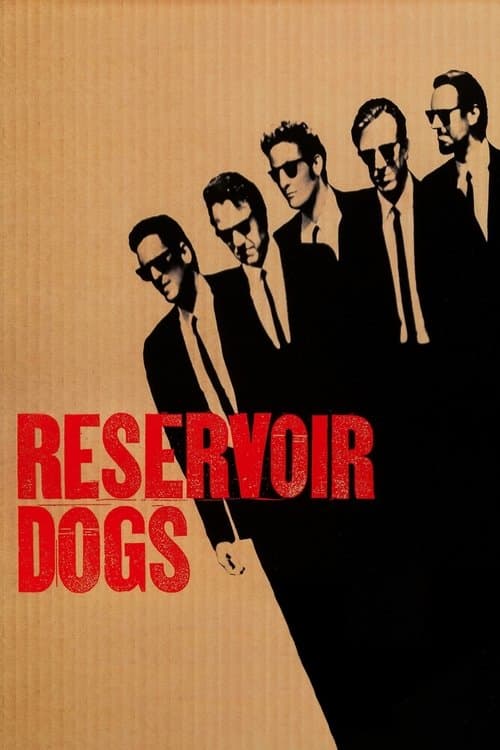
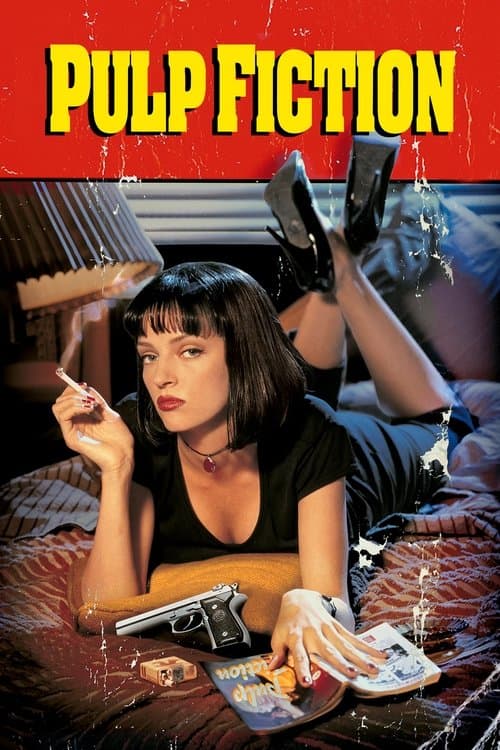
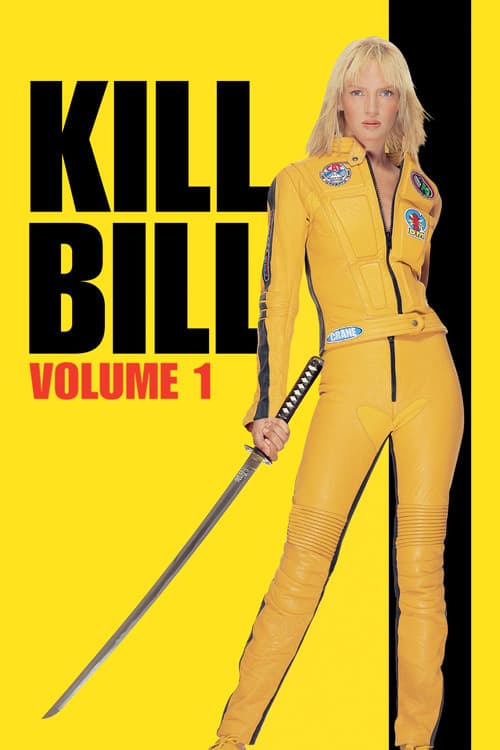
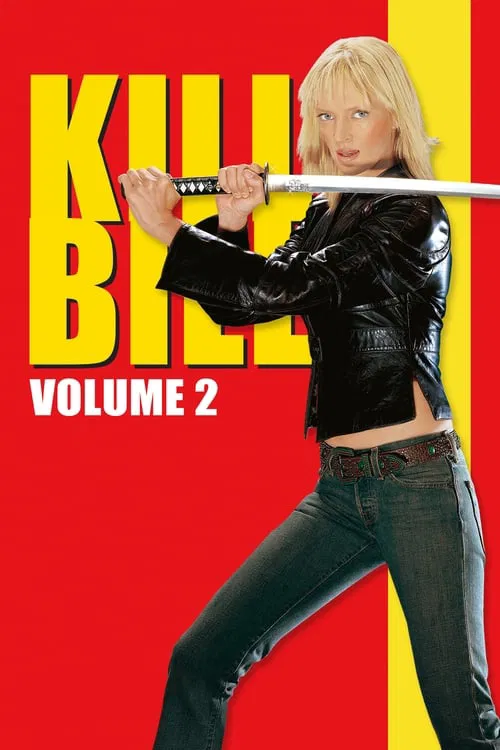
Quentin Tarantino directed Jackie Brown, released in 1997. CineCode also covers Reservoir Dogs (1992), Pulp Fiction (1994), Kill Bill: Volume 1 (2003), Kill Bill: Vol. 2 (2004), Death Proof (2007), Inglourious Basterds (2009).
What films are similar to Jackie Brown?
Films that share techniques with Jackie Brown include The Wrestler (2008), Take This Waltz (2011), Goodfellas (1990), The Departed (2006).