Comedy · Thriller

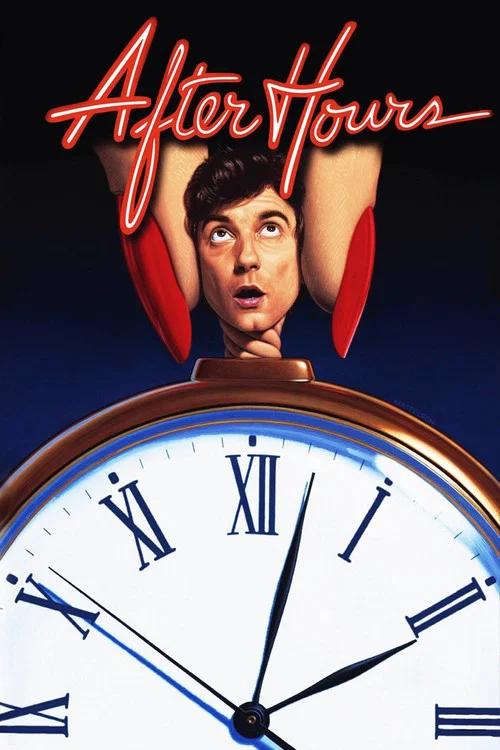
After Hours

Martin Scorsese, 1985

Paul Hackett, a bored office worker, takes a cab to SoHo to meet a woman and loses his only $20 on the way. His night gets stranger with every door he opens, and he cannot get home. A black comedy that Scorsese made fast, with a camera that never stops moving.

After Hours (1985) poster

At a glance

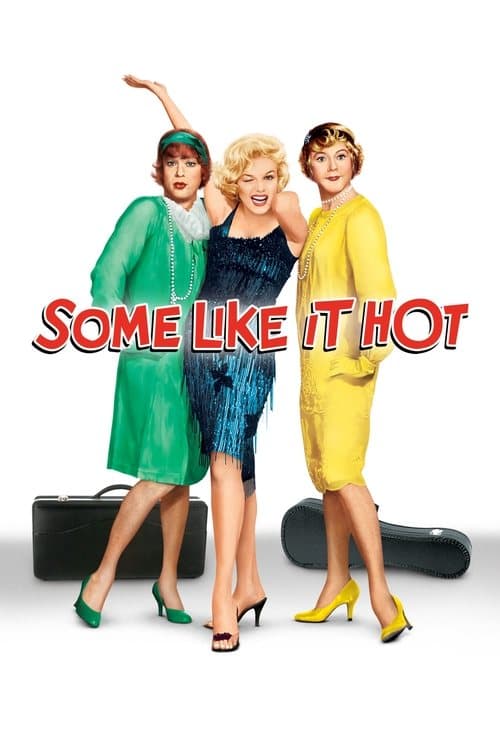
After Hours is a 1985 comedy and thriller film directed by Martin Scorsese. This breakdown covers 5 techniques (3 narrative, 1 sound and 1 cinematography), each with the scene where you can see it. If you like how it is made, Some Like It Hot uses several of the same techniques.

Narrative

Fish-Out-of-Water Comedy

Dropping a character into a world whose social rules they don't understand. The comedy, and some insight too, comes from the constant mismatch between them and everyone around them.

How this film uses it

Paul is a mild office worker dropped into a downtown New York night where the rules keep changing. He cannot pay the subway fare and gets turned away from a club for not having a mohawk. Each place has a new set of rules he does not know.

Where to see it

Club Berlin: the doorman refuses Paul entry because he lacks a mohawk, in a scene Scorsese partly based on Kafka's Before the Law.
Narrative

Circular Structure

Ending the film where it started, or with a scene that echoes the opening. The repeat shows what has changed, or suggests the cycle will keep going.

How this film uses it

The film begins with Paul at his desk and ends with him back at the same office. A night that felt like years has changed nothing. The loop makes the whole adventure feel like a trap he never left.

Where to see it

The dawn return: Paul tumbles out of the van outside his Midtown office and goes back to work at his terminal.

Narrative

Genre Collage

Mixing several genres in 1 film, such as crime, romance, horror and absurd comedy. The clash between them keeps you from settling into a single way of watching.

How this film uses it

The film mixes screwball comedy with film noir. Marcy's apartment starts as a date and turns into a murder mystery when Paul finds her dead. Jokes and dread sit side by side all night.

Where to see it

Paul finds Marcy: back at her apartment he discovers she has died of a Seconal overdose, and her body shows no burns.

Sound

Pop Music Needle Drop

Playing an existing popular song at a precise moment in the film. The song's lyrics, era and associations add irony, period feel or emotion that an original score could not.

How this film uses it

Peggy Lee's Is That All There Is? plays in the Club Berlin scene. A song about disappointment lands in the middle of Paul's worst night. It makes the joke bleaker and the mood stranger.

Where to see it

Club Berlin: after the club empties, Paul plays the Peggy Lee song on the jukebox and dances with June.

Cinematography

Showy Opening Camera Move

Starting the film with one dramatic camera move that rushes through a space or pulls away to reveal vast scale. The opening sets the energy and size of the story.

How this film uses it

Cinematographer Michael Ballhaus opens with a camera that races through a crowded office and settles on Paul. It tells you the film will move fast and that Paul is stuck in a beige world he will soon try to escape. The energy lasts all the way to the dawn ending.

Where to see it

The opening office scene: the camera flies through the terminals and lands on Paul training a new hire.

Questions

After Hours: quick answers

What filmmaking techniques does After Hours use?
CineCode breaks down 5 techniques in After Hours (1985): Fish-Out-of-Water Comedy, Circular Structure, Genre Collage, Pop Music Needle Drop and Showy Opening Camera Move.
Who directed After Hours?
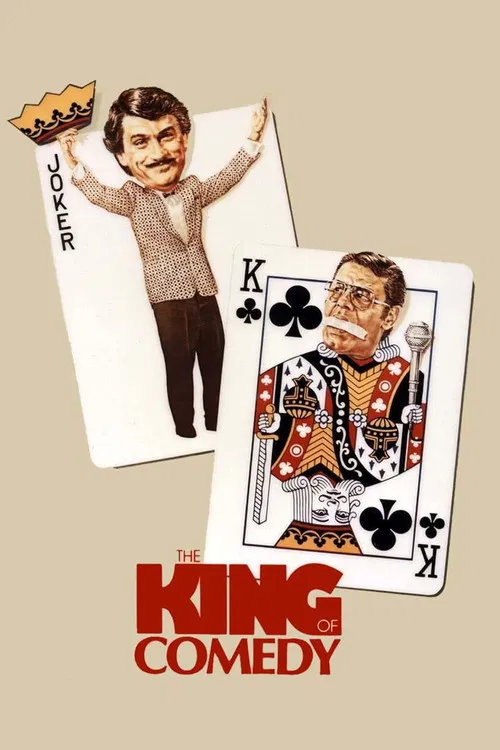
Martin Scorsese directed After Hours, released in 1985. CineCode also covers Mean Streets (1973), Alice Doesn't Live Here Anymore (1974), Taxi Driver (1976), New York, New York (1977), Raging Bull (1980), The King of Comedy (1982).
What films are similar to After Hours?
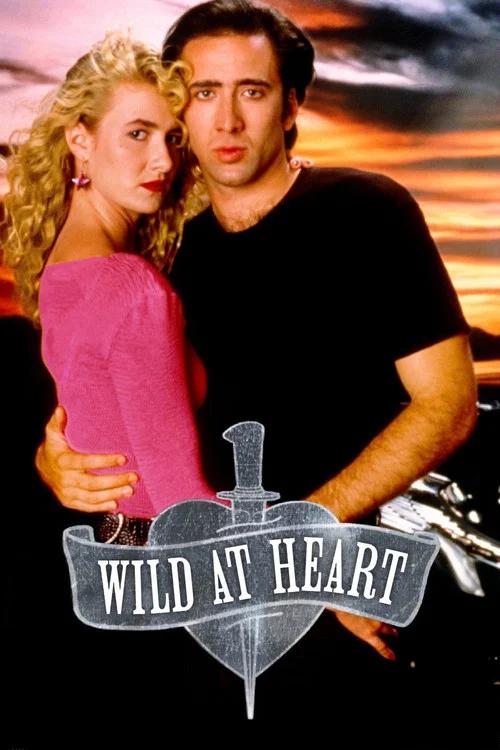
Films that share techniques with After Hours include Some Like It Hot (1959), Wild at Heart (1990), Hellboy (2004), True Lies (1994).