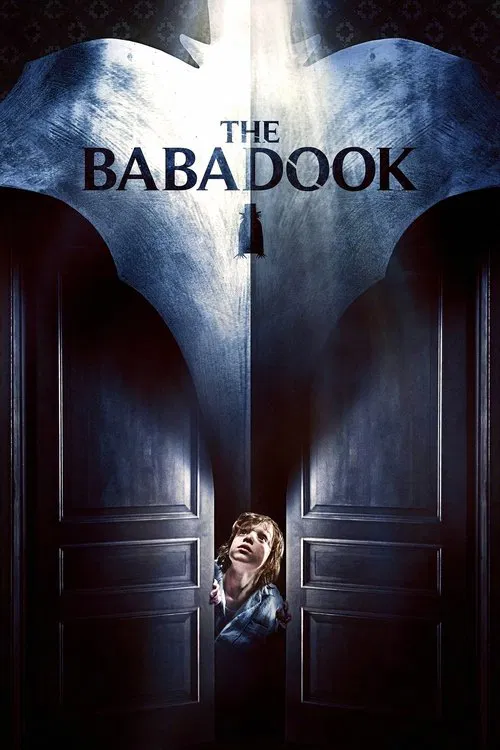
Amelia's husband died in a car crash while driving her to the hospital to give birth. 6 years later, she is raising their difficult son, Sam, alone and barely sleeping. Then a creepy pop-up book called Mister Babadook appears on his shelf. Watch it for how Jennifer Kent turns grief into a monster you can almost see.
The Babadook is a 2014 horror and drama film directed by Jennifer Kent. This breakdown covers 5 techniques (1 narrative, 2 cinematography and 2 psychology), each with the scene where you can see it. If you like how it is made, Inception uses several of the same techniques.
Returning to the same physical object again and again until it means more than what it is. It moves the plot and also stands for the film's main ideas.
How this film uses it
The pop-up book is the first time you see the Babadook. Amelia tries to get rid of it, but it keeps coming back. That makes it feel like the grief she refuses to deal with.
Where to see it
The book's return. Amelia tears up Mister Babadook and throws it away. It turns up on her doorstep glued back together, with new pages showing her killing the dog, Sam and herself.
Designing the sets to reflect what is going on inside a character. The place they live in tells you things about them that the dialogue doesn't.
How this film uses it
Kent and production designer Alex Holmes limited the house to a few cool colors, mostly blues and grays with black. They removed brown objects from the frame and stained the furniture and floors dark. The cold, drained home looks the way Amelia feels after years of grief.
Where to see it
Amelia and Sam's bedtime reading. They sit in the dim gray-blue bedroom, and the dark book's pop-up pages are the most striking thing in the room.
Turning things that happen inside the mind, like buried memories or a split sense of self, into real events in the story. The horror comes from the mind being invaded.
How this film uses it
The Babadook grows as Amelia's exhaustion and buried anger grow. Her husband's things are locked in the basement, the place she won't go. In the end, she keeps the monster locked in the basement and feeds it.
Where to see it
The final scene. Amelia carries a bowl of worms down to the basement, and something in the dark takes it. Then she goes back upstairs to Sam's birthday party.
Creating effects physically on set with makeup, prosthetics, built props and camera tricks, with no computer graphics added later. The results look solid and real.
How this film uses it
The Babadook was made on set with a handmade, low-tech approach, including stop-motion. Kent was inspired by the silent films of Georges Méliès. The creature moves in a slightly jerky way that feels like a children's book come to life.
Where to see it
The Babadook in Amelia's bedroom. The dark, top-hatted figure appears in the room at night and lunges at her.
Keeping it unclear what is real and what is imagined in the film's world. You end up as unsure as the main character.
How this film uses it
Amelia barely sleeps and watches TV late at night. Old silent films flicker on the screen, and sometimes the Babadook seems to be inside them. You can't tell if she is seeing a real monster or losing her grip.
Where to see it
Amelia's late-night TV. She flicks through channels of old silent films, and the Babadook begins showing up in the clips.
Questions
The Babadook: quick answers
What filmmaking techniques does The Babadook use?
CineCode breaks down 5 techniques in The Babadook (2014): Symbolic Object, Production Design as Psychological Space, Psychoanalytic Horror, Practical In-Camera Effects and Unreliable Reality.
Who directed The Babadook?
Jennifer Kent directed The Babadook, released in 2014. CineCode also covers The Nightingale (2018).
What films are similar to The Babadook?
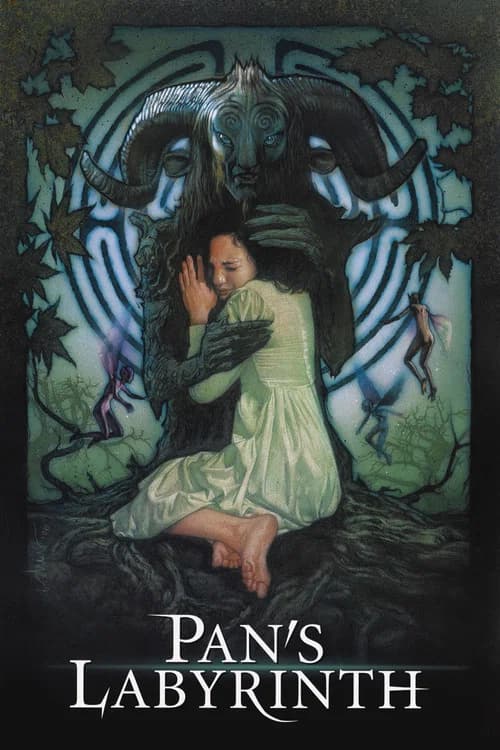
Films that share techniques with The Babadook include Inception (2010), Stalker (1979), The Apartment (1960), Pan's Labyrinth (2006).