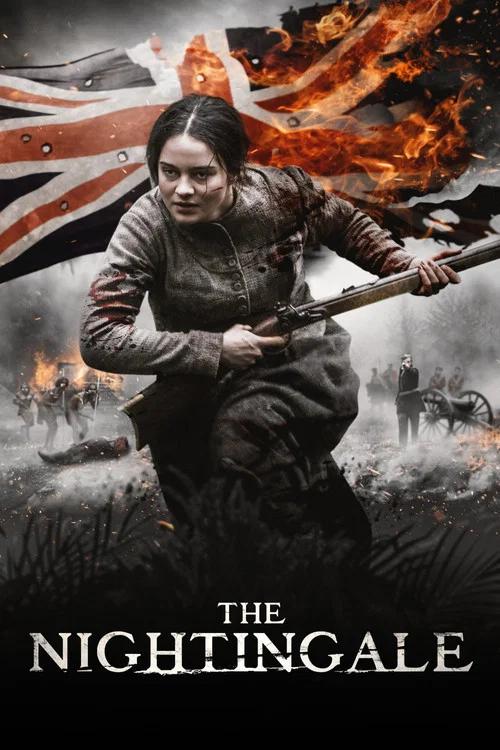
In 1825 Tasmania, a young Irish convict named Clare loses her family to a British officer and his men. She hires an Aboriginal tracker to help her hunt them through the bush. The film is brutal, so be warned. For a filmmaker, look at how the boxy frame keeps you close to faces.
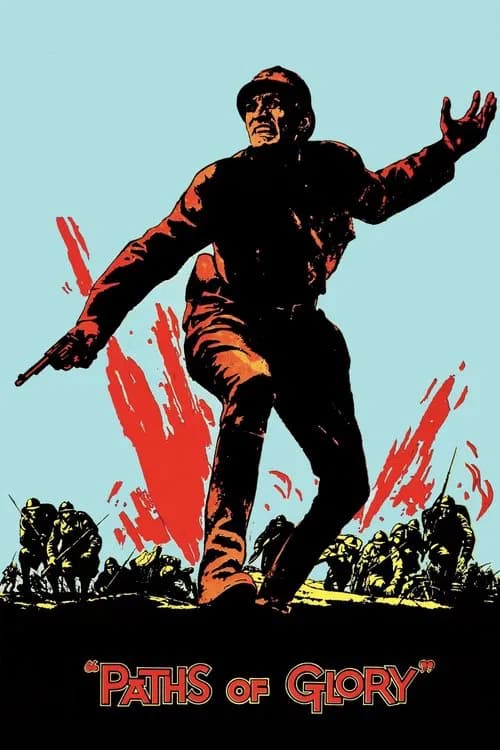
The Nightingale is a 2018 drama, thriller and history film directed by Jennifer Kent. This breakdown covers 5 techniques (2 cinematography, 1 narrative, 1 sound and 1 psychology), each with the scene where you can see it. If you like how it is made, Paths of Glory uses several of the same techniques.
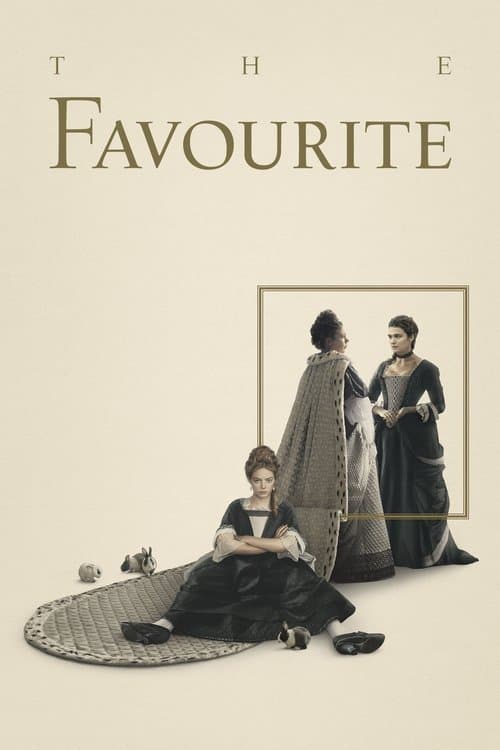
Choosing a very wide or squarer frame than standard widescreen. The shape boxes characters in or leaves wide edges where threats can hide.
How this film uses it
Kent shot in the squarer 4:3 frame. She said it has a lot of height and depth, and it is good for framing people. You stay close to Clare's face while the trees rise tall around her.
Where to see it
The journey through the bush. Clare and Billy follow the soldiers through dense forest in the tall, narrow frame.
Tracing revenge across its aftermath, showing how vengeance repeats or leaves the avenger empty instead of delivering satisfaction.
How this film uses it
Clare's revenge costs her. Killing Jago does not bring back her family, and the hunt pulls Billy into danger until he is badly wounded in the final fight. The film gives her no clean win.
Where to see it
The killing of Jago. Clare finds the wounded soldier and beats and stabs him to death.
Using a song or music contest to show who a character is or what they stand for. The music works as argument, duel or revelation.
How this film uses it
Clare is called Nightingale because she sings for the soldiers, and the song makes her a servant they enjoy. At the end she sings an Irish song as the sun rises. The same voice that once entertained them now stands for her grief and her survival.
Where to see it
The final beach scene. After Mangana dances and declares himself free, Clare sings a sean-nós song in Irish as the sun rises.
Moving the story into a remote house, forest or landscape where no help can arrive. The quiet surroundings stop being a refuge and add to the dread.
How this film uses it
The bush is far from any town, with no law and no one to hear a cry. The soldiers and the land are equally hostile. When the tracker Charlie leads the soldiers into a dead end on a mountain, the place itself feels like a trap.
Where to see it
The dead end on the mountain. Charlie leads the party into a dead end, and Ruse kills him.
Starting two characters as hostile strangers and letting grief slowly show what they share. Their trust grows through small admissions.
How this film uses it
Clare is openly racist toward Billy at first, and he has little reason to trust her. As they share what they have lost, their hostility eases. When he tells her his real name, Mangana, you see the change.
Where to see it
Billy's name. Billy tells Clare his true name, Mangana.
Questions
The Nightingale: quick answers
What filmmaking techniques does The Nightingale use?
CineCode breaks down 5 techniques in The Nightingale (2018): Unusual Aspect Ratio, Revenge Consequences, Song as Character Expression, Isolated Setting as Threat and Prejudice Eroded by Shared Loss.
Who directed The Nightingale?
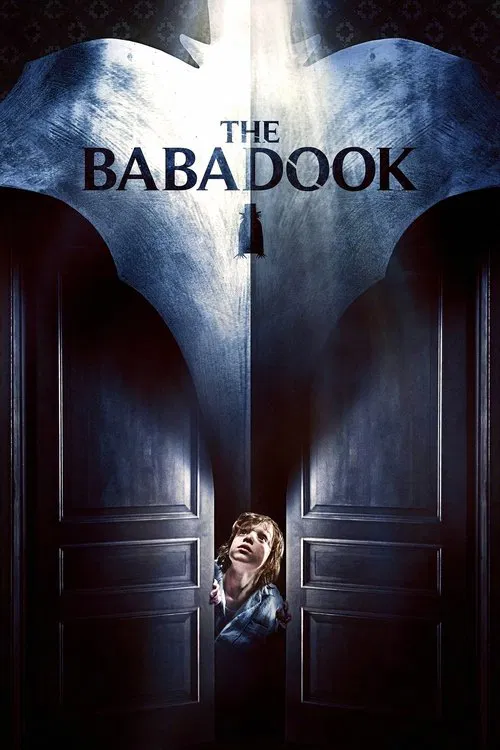
Jennifer Kent directed The Nightingale, released in 2018. CineCode also covers The Babadook (2014).
What films are similar to The Nightingale?
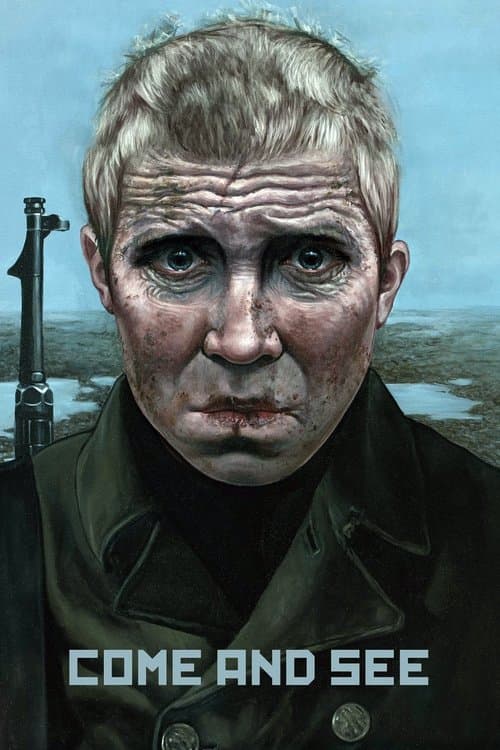
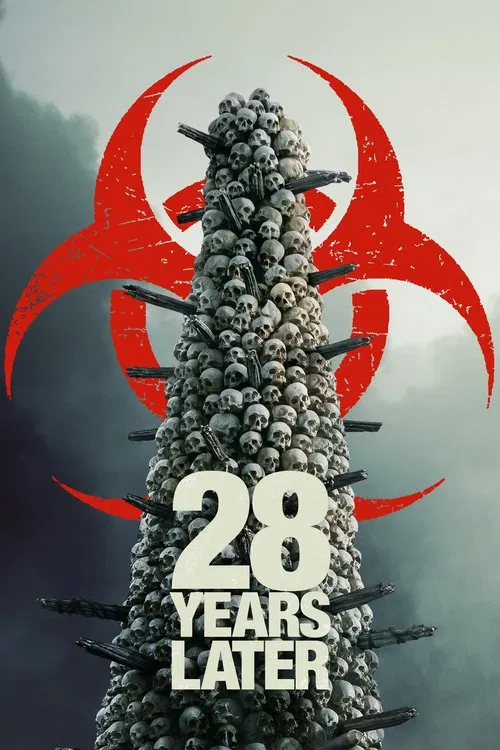
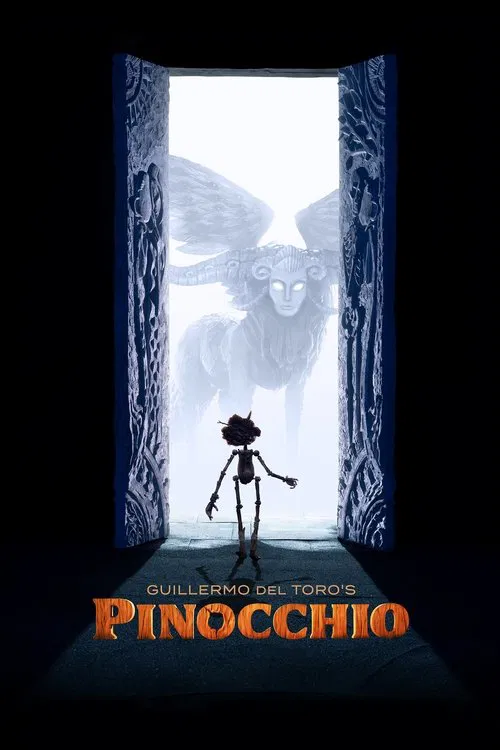
Films that share techniques with The Nightingale include Paths of Glory (1957), Come and See (1985), 28 Years Later (2025), Guillermo del Toro's Pinocchio (2022).