Animation · Fantasy · Drama

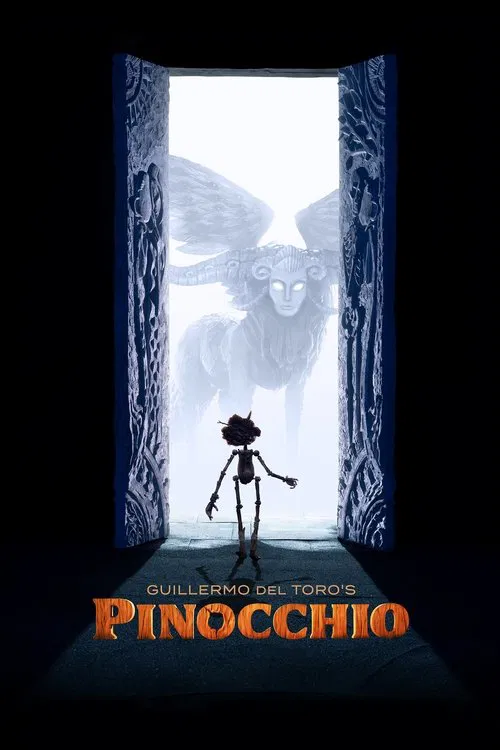
Guillermo del Toro's Pinocchio

Guillermo del Toro, Mark Gustafson, 2022

A grieving woodcarver builds a puppet in Italy under Mussolini, and a wood sprite brings it to life. The puppet learns about death, war and disobedience. It is a stop-motion film where every puppet was moved by hand a frame at a time.

Guillermo del Toro's Pinocchio (2022) poster

At a glance

Guillermo del Toro's Pinocchio is a 2022 animation, fantasy and drama film directed by Guillermo del Toro, Mark Gustafson. This breakdown covers 5 techniques (3 narrative, 1 cinematography and 1 sound), each with the scene where you can see it. If you like how it is made, The Shawshank Redemption uses several of the same techniques.

Narrative

Death as Personified Interlocutor

Turning death into a character who can be spoken to, argued with and played against. Abstract questions about mortality become a face-to-face dramatic scene.

How this film uses it

Death is a winged character Pinocchio can talk to and argue with. She explains that he is immortal and that each death will keep him dead for longer. A big idea becomes a face-to-face scene.

Where to see it

The afterlife: after the Podestà's truck kills him, Pinocchio meets Death, the Wood Sprite's sister.
Narrative

Civil War as Moral Backdrop

Setting personal stories against the Civil War or another historical war. The large-scale violence of armies gives context and extra weight to what the individual characters do.

How this film uses it

The story is set in fascist Italy, and war keeps breaking into the fairy tale. Geppetto loses his son in a bombing, and Allied bombers later destroy a youth camp. The war gives weight to the choices Pinocchio makes about obedience.

Where to see it

The youth camp: Pinocchio befriends Candlewick, who refuses to shoot him, and then Allied bombers destroy the camp.

Narrative

Earned Catharsis

Building up to a big emotional release slowly, by investing in the characters and giving small bits of hope. When the release comes, it feels deserved after all the suffering.

How this film uses it

The film builds its payoff slowly, through Pinocchio's mistakes and the friendships he forms. When he gives up an easy escape from death to save Geppetto, you feel the release. By then you have spent the whole film hoping for it.

Where to see it

The dogfish: Pinocchio breaks the hourglass to return early and save the drowning Geppetto, and the Sprite revives him.

Cinematography

Stop-Motion Animation

Animating physical puppets one frame at a time, with small handmade imperfections left in. The creatures and performances look tangible and storybook.

How this film uses it

Pinocchio is a metal, 3D-printed puppet with about 3,000 replacement faces, and most other puppets have mechanical heads. Animators were told to add small mistakes, such as itching or sneezing. Those habits make wooden characters look alive.

Where to see it

The circus: Pinocchio performs on stage in front of an audience.

Sound

Song as Character Expression

Using a song or music contest to show who a character is or what they stand for. The music works as argument, duel or revelation.

How this film uses it

In front of a crowd, Pinocchio mocks Mussolini in song. The tune makes the insult public, and the powerful respond with fury. A puppet who does not understand fear is the only one brave enough.

Where to see it

The circus: Pinocchio performs a song mocking Mussolini, and Mussolini orders him executed and the circus burned.

Questions

Guillermo del Toro's Pinocchio: quick answers

What filmmaking techniques does Guillermo del Toro's Pinocchio use?
CineCode breaks down 5 techniques in Guillermo del Toro's Pinocchio (2022): Death as Personified Interlocutor, Civil War as Moral Backdrop, Earned Catharsis, Stop-Motion Animation and Song as Character Expression.
Who directed Guillermo del Toro's Pinocchio?
Guillermo del Toro, Mark Gustafson directed Guillermo del Toro's Pinocchio, released in 2022. CineCode also covers Cronos (1993), Mimic (1997), The Devil's Backbone (2001), Blade II (2002), Hellboy (2004), Pan's Labyrinth (2006).
What films are similar to Guillermo del Toro's Pinocchio?
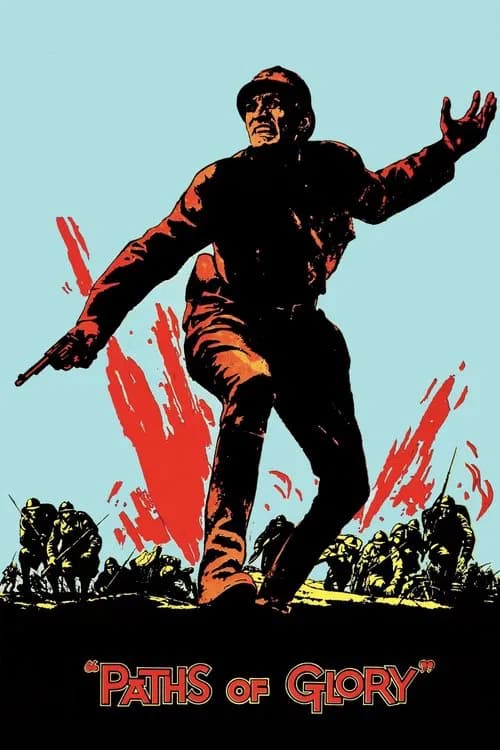
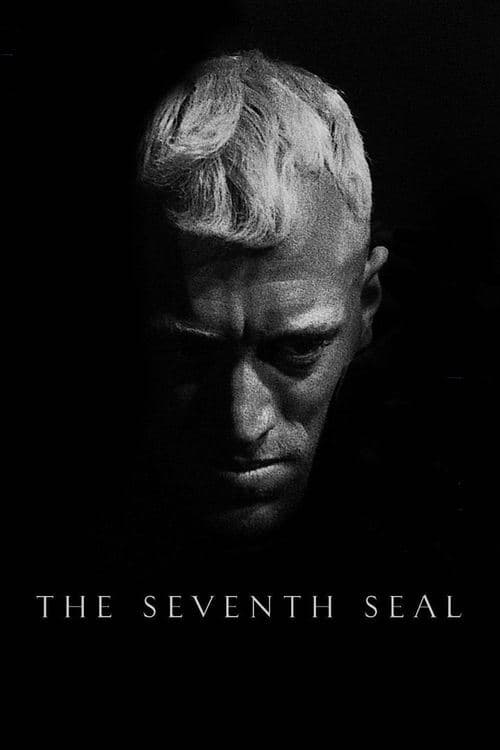
Films that share techniques with Guillermo del Toro's Pinocchio include The Shawshank Redemption (1994), The Good, the Bad and the Ugly (1966), Paths of Glory (1957), The Seventh Seal (1957).