Horror · Science Fiction · Drama

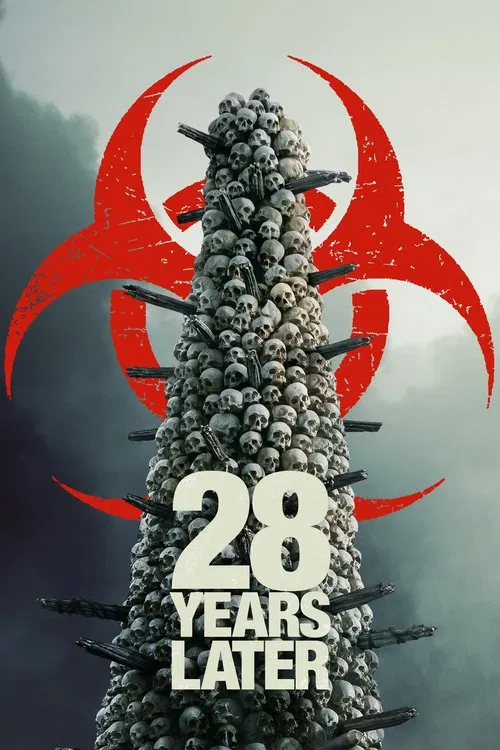
28 Years Later

Danny Boyle, 2025

28 years after the Rage Virus, a small community lives on Lindisfarne, an island reached by a causeway that floods at high tide. A boy named Spike crosses to the infected mainland for his first hunt and finds out how much the adults around him have been hiding. Boyle shot much of it on iPhones.

28 Years Later (2025) poster

At a glance

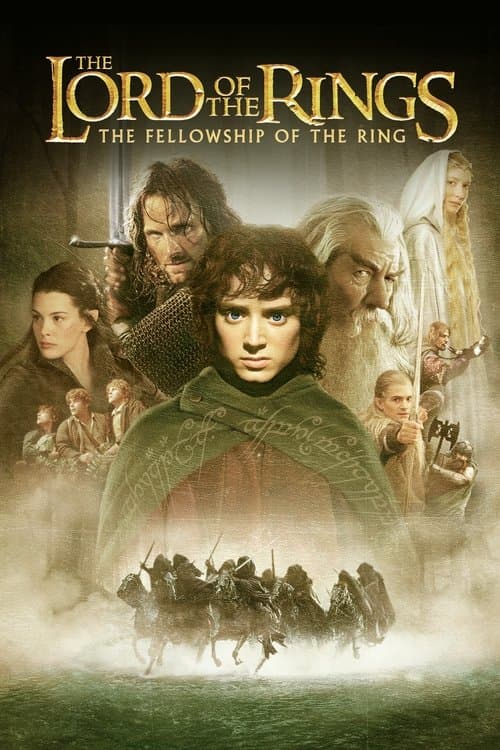
28 Years Later is a 2025 horror, science fiction and drama film directed by Danny Boyle. This breakdown covers 5 techniques (1 editing, 2 narrative and 2 cinematography), each with the scene where you can see it. If you like how it is made, The Lord of the Rings: The Fellowship of the Ring uses several of the same techniques.

Editing

Documentary Footage Integration

Cutting real documentary or archive footage into a fictional story, such as authentic records of wartime atrocities. It grounds the fiction in history and blurs the line between cinema and the record.

How this film uses it

A montage cuts real British wartime footage with clips from the 1944 film Henry V, set to a 1915 recording of Kipling's poem 'Boots'. You watch a cut-off community turn half-remembered history into its own legend. The real images make the island feel stuck in the past.

Where to see it

The Kipling montage. War footage and film clips play over the 1915 recording of 'Boots'.
Narrative

Secondary World Construction

Building a fictional world with its own consistent rules, history, culture and visual detail. It feels like the world keeps going beyond what you see on screen.

How this film uses it

Lindisfarne has its own rules: a causeway that floods at high tide, a hunt that marks a boy's coming of age and a quarantine that has lasted 28 years. On the mainland, Dr Kelson has built the Bone Temple out of cleaned bones. The world feels like it keeps going beyond the frame.

Where to see it

The crossing. Jamie and Spike cross the tidal causeway to the mainland, where the island's rules stop applying.

Cinematography

Unusual Aspect Ratio

Choosing a very wide or squarer frame than standard widescreen. The shape boxes characters in or leaves wide edges where threats can hide.

How this film uses it

The film uses a 2.76:1 frame, much wider than a standard movie screen. The filmmakers said this encouraged viewers to scan the image, which heightens tension. In open countryside you find yourself watching the edges for the infected.

Where to see it

The Alpha chase. After Spike's first kill, an evolved Alpha infected chases him and Jamie until the islanders kill it.

Cinematography

Digital Camera Capture

Shooting on digital cameras or even smartphones instead of film stock. Small, light cameras let the crew work fast and go places large ones cannot, giving a plain, immediate image.

How this film uses it

Cinematographer Anthony Dod Mantle shot much of the film on an iPhone 15 Pro Max, along with action cameras and drones. A custom rig with several iPhones was used for bullet-time shots, where the camera seems to circle a frozen moment. The small cameras let the action feel close.

Where to see it

The hunt on the mainland. Jamie takes his son across the causeway, and Spike makes his first kill.

Narrative

Coming-of-Age Trial

Building part of the story around a young character's first test of adulthood, such as a hunt or an ordeal. The trial shows what a community values and what it hides from its children.

How this film uses it

Spike is 12, and Jamie takes him to the mainland for the hunt the island treats as a rite of passage. Spike makes his first kill, but the trip also shows him how much his father has not told him. You watch a boy find the gaps in his community's story.

Where to see it

Spike's first kill. Jamie leads his 12-year-old son across to the mainland, where Spike kills for the first time.

Questions

28 Years Later: quick answers

What filmmaking techniques does 28 Years Later use?
CineCode breaks down 5 techniques in 28 Years Later (2025): Documentary Footage Integration, Secondary World Construction, Unusual Aspect Ratio, Digital Camera Capture and Coming-of-Age Trial.
Who directed 28 Years Later?
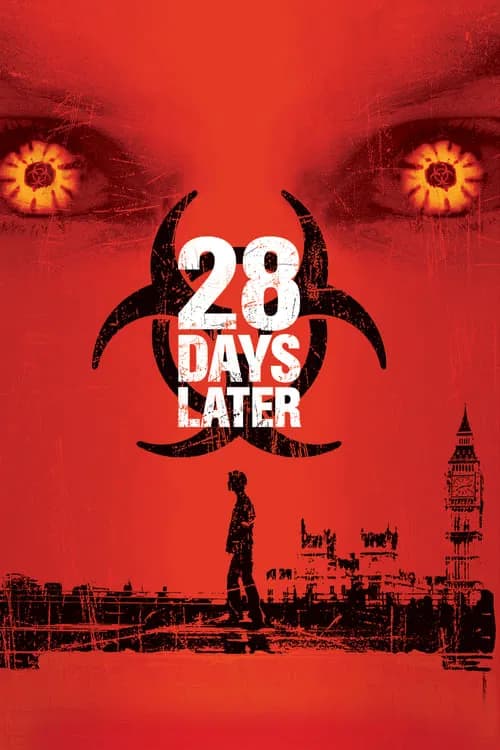
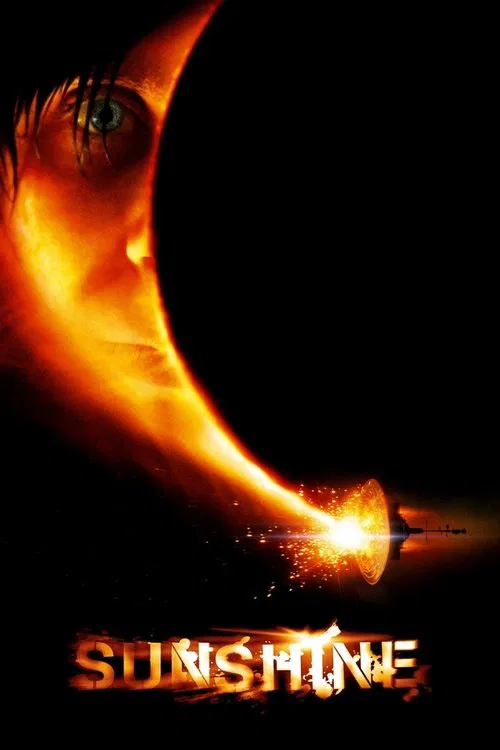
Danny Boyle directed 28 Years Later, released in 2025. CineCode also covers Shallow Grave (1994), Trainspotting (1996), A Life Less Ordinary (1997), The Beach (2000), 28 Days Later (2002), Sunshine (2007).
What films are similar to 28 Years Later?
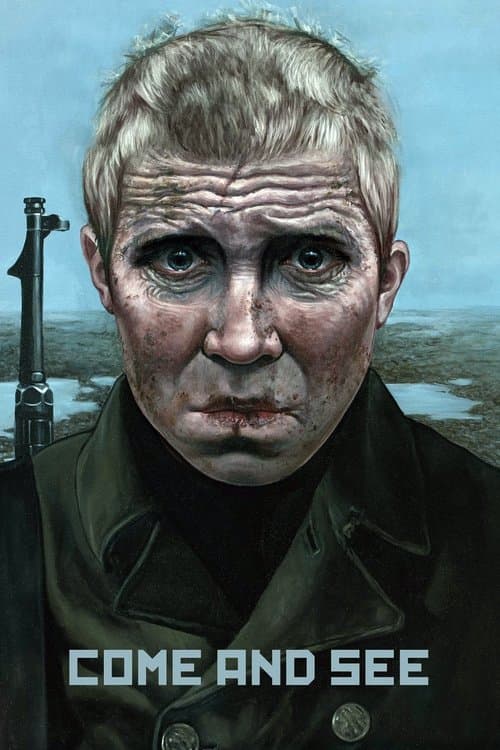
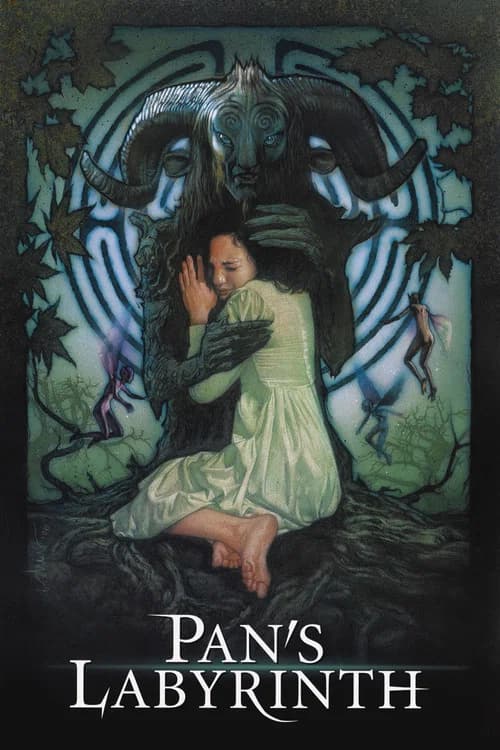
Films that share techniques with 28 Years Later include The Lord of the Rings: The Fellowship of the Ring (2001), Come and See (1985), Pan's Labyrinth (2006), Dune: Part One (2021).