Drama · History

The Virgin Spring

Ingmar Bergman, 1960

In medieval Sweden, a rich farmer's daughter is raped and killed by herdsmen on her way to church. That night the killers unknowingly ask her parents for shelter. The father takes bloody revenge, then demands an answer from God. Watch how Bergman turns a grim old ballad into a ritual.

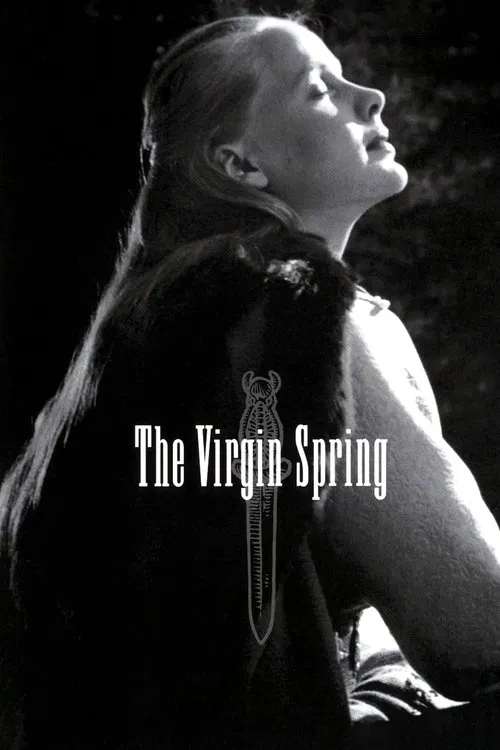
The Virgin Spring (1960) poster

At a glance

The Virgin Spring is a 1960 drama and history film directed by Ingmar Bergman. This breakdown covers 5 techniques (2 cinematography and 3 narrative), each with the scene where you can see it. If you like how it is made, Andrei Rublev uses several of the same techniques.

Cinematography

Black-and-White as Moral Urgency

Choosing to shoot in black and white to take away the comfort and pleasure of color. The film feels more serious, and you watch as a witness.

How this film uses it

Sven Nykvist shot the film in black and white with natural-looking light, so the forest and the farm look plain and harsh. There is no color to make the setting pretty. You watch what happens as a witness.

Where to see it

The forest ride: Karin rides to church with candles for the Virgin and shares her lunch with 3 herdsmen.
Narrative

Dramatic Irony

Letting the audience know something a character doesn't. You watch them act without that knowledge, which creates suspense, dread or dark comedy.

How this film uses it

You know the herdsmen killed Karin, and her parents do not. Every kind word at the dinner table hurts, because you are waiting for the moment the family finds out. The suspense comes from knowledge you cannot pass on.

Where to see it

The herdsmen at the farm: that night the 3 men ask for shelter at Karin's home, and one offers to sell her clothing to her mother Märeta.

Narrative

Ceremonial Pacing

Moving the film at the slow, deliberate pace of a ritual, with long takes, few cuts and unhurried camera moves. The patience builds dread and gives each step the weight of a ceremony.

How this film uses it

After the herdsmen are locked up, the film slows down and treats the revenge as a ritual. Töre prepares step by step, and the killing waits until dawn. The patience makes each act feel heavy.

Where to see it

Töre's revenge: at dawn, Töre kills the herdsmen.

Narrative

Revenge Consequences

Tracing revenge across its aftermath, showing how vengeance repeats or leaves the avenger empty instead of delivering satisfaction.

How this film uses it

Töre gets his revenge and still has nothing. His daughter is dead, and he is left asking God why it was allowed. The film refuses to let the killing feel like justice.

Where to see it

Töre searches for Karin's body: he vows to build a church on the spot, and a spring rises where her head lay.

Cinematography

Landscape as Sacred Geography

Photographing real landscapes like mountains, plains and rivers so they feel mythic and full of meaning. The land becomes a spiritual and moral test the characters have to cross.

How this film uses it

The forest and the mill are places where good and evil meet. Old pagan figures and Christian faith both haunt the same ground. A spring rising at the end turns the place into something holy.

Where to see it

The mill: Ingeri, who secretly worships Odin, meets a one-eyed man who offers her power, and she flees.

Questions

The Virgin Spring: quick answers

What filmmaking techniques does The Virgin Spring use?
CineCode breaks down 5 techniques in The Virgin Spring (1960): Black-and-White as Moral Urgency, Dramatic Irony, Ceremonial Pacing, Revenge Consequences and Landscape as Sacred Geography.
Who directed The Virgin Spring?
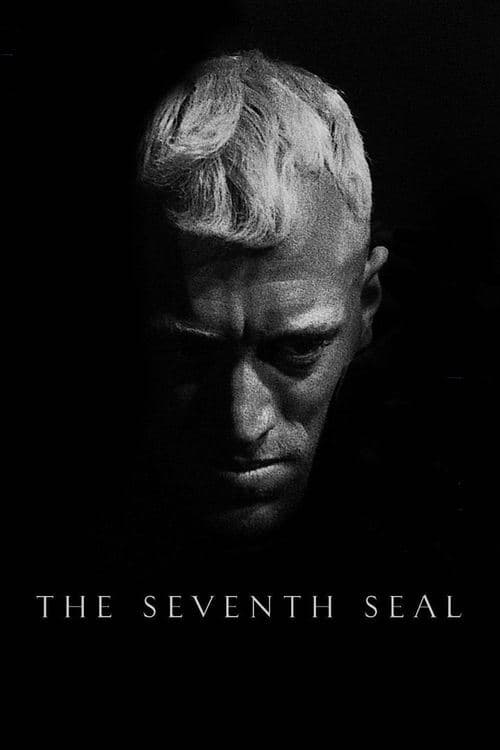
Ingmar Bergman directed The Virgin Spring, released in 1960. CineCode also covers The Seventh Seal (1957), Wild Strawberries (1957), Through a Glass Darkly (1961), Winter Light (1963), Persona (1966), Hour of the Wolf (1968).
What films are similar to The Virgin Spring?
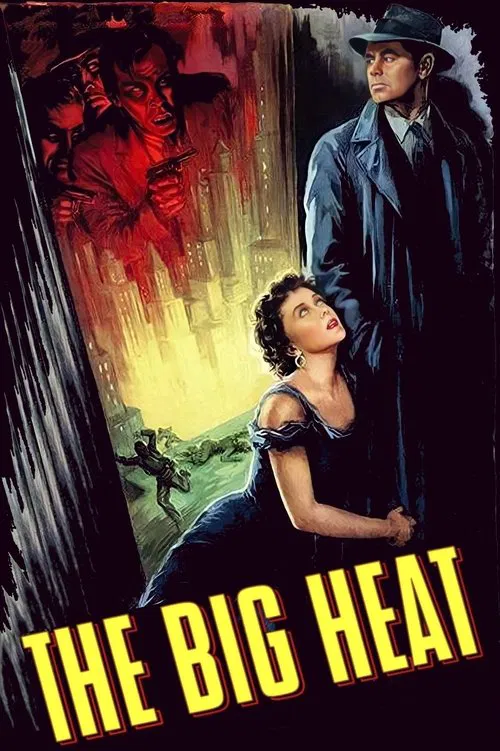
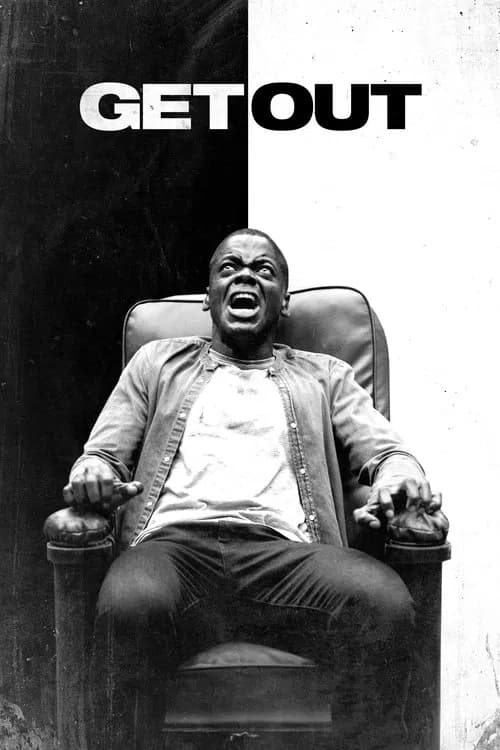
Films that share techniques with The Virgin Spring include Andrei Rublev (1966), Sympathy for Mr. Vengeance (2002), The Big Heat (1953), Get Out (2017).