Peter has a new wife and baby when his ex-wife says their 17-year-old son Nicholas is struggling and has left school. Peter takes him in and tries to be a better father than his own. A hard, quiet film about a family that misses the signs, it uses calm scenes to build dread.
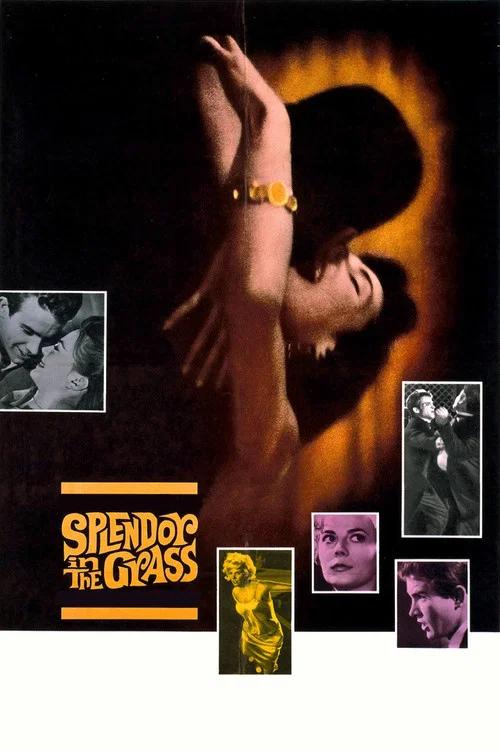
The Son is a 2022 drama film directed by Florian Zeller. This breakdown covers 5 techniques (1 cinematography, 2 psychology and 2 narrative), each with the scene where you can see it. If you like how it is made, Splendor in the Grass uses several of the same techniques.
Holding a close-up on an actor's face long enough to catch tiny changes in expression. You read what the character is thinking from details a wider shot would miss.
How this film uses it
Much of the film is two people talking in a room. The camera stays with their faces, so you read what they will not say. A small flinch tells you more than a speech.
Where to see it
Hospital: After an attempt, Nicholas is admitted to an inpatient facility. Only then does Peter begin to accept his role in Nicholas's pain.
Showing a character who holds feelings down until they leak out or burst. The performance lives in what is withheld, and the release lands harder for the wait.
How this film uses it
Peter will not admit that his affair hurt Nicholas, and Nicholas hides how bad things are. Neither says what they feel, and you watch it build up. The calm on the surface makes the gap harder to bear.
Where to see it
Peter tries to bond: Peter tries to connect with Nicholas but will not acknowledge how deeply his cheating on Kate hurt the boy.
Showing a parent repeating the behavior of their own parent, often against their wishes. Past and present rhyme, so you see how damage is passed down.
How this film uses it
Peter hopes to be a better father than his own cruel, mostly absent father, Anthony. He does the same things anyway. Seeing the two relationships side by side shows how one family's damage is handed on.
Where to see it
Visit to his father: Peter, who hopes to be a better father than his own, faces his cruel and largely absent father, Anthony.
Giving the audience a moment of apparent healing right before tragedy. The calm and small hopeful details make the loss land harder.
How this film uses it
Nicholas seems better after his time in the facility. He makes tea for his parents and suggests a family movie outing. Everyone, including you, starts to believe things are looking up.
Where to see it
Tea and the shower: Nicholas makes tea and suggests a family movie. He then goes to shower while his parents remark that things seem better.
Staging dreams, fantasies and imagination as literal scenes. The inner mind becomes visible, whether as wish, fear or creative power.
How this film uses it
In the end, Peter pictures what Nicholas's life might have been. The scenes are guilt turned into images. They show what Peter wishes had happened.
Where to see it
Three years later: Peter imagines what Nicholas's life might have been, then breaks down while Beth comforts him.
Questions
The Son: quick answers
What filmmaking techniques does The Son use?
CineCode breaks down 5 techniques in The Son (2022): Deliberate Close-Up Performance, Repressed Emotion, Generational Echo, False Recovery Beat and Dream Imagery as Inner Life.
Who directed The Son?
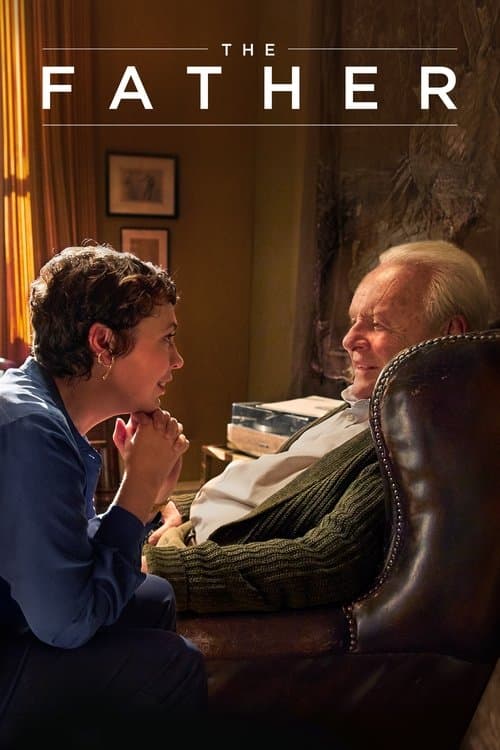
Florian Zeller directed The Son, released in 2022. CineCode also covers The Father (2020).
What films are similar to The Son?
Films that share techniques with The Son include Splendor in the Grass (1961), Thelma (2017), 28 Years Later: The Bone Temple (2026), Witness for the Prosecution (1957).