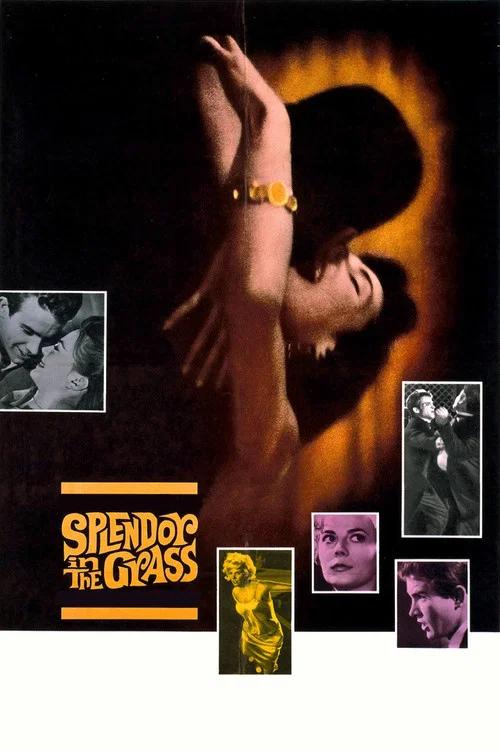
In 1928 Kansas, high school sweethearts Deanie and Bud are told by their parents to hold back, and the pressure breaks both of them. Deanie ends up in an institution and Bud fails at Yale. Watch for how the film turns a poem about lost youth into the emotional center of the story.
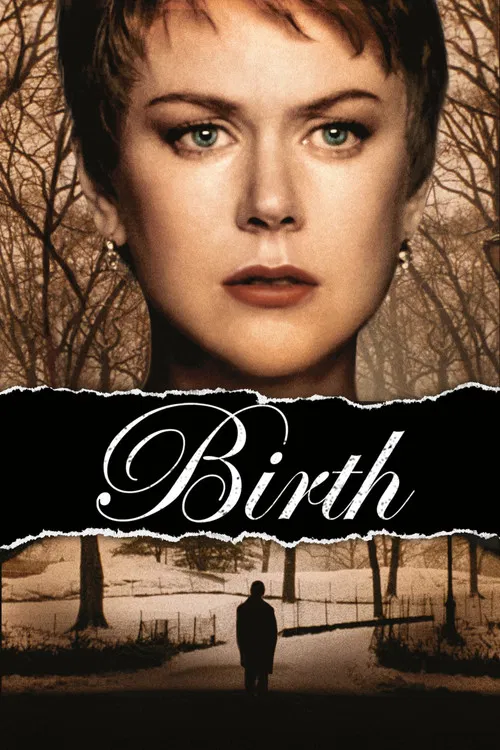
Splendor in the Grass is a 1961 drama and romance film directed by Elia Kazan. This breakdown covers 4 techniques (2 psychology, 1 narrative and 1 cinematography), each with the scene where you can see it. If you like how it is made, Birth uses several of the same techniques.
Showing a character who holds feelings down until they leak out or burst. The performance lives in what is withheld, and the release lands harder for the wait.
How this film uses it
Deanie and Bud want each other, but parents and the town have taught them that desire is shameful. The feelings do not disappear. They come out as rage, breakdowns and bad decisions that neither teenager can control.
Where to see it
Bud and Deanie break up: their parents advise them not to become more involved. After Bud tells her they should stop, Deanie snaps at her mother when asked whether she is still a virgin.
Having a character read or recite real verse so the poem says what the characters cannot. The words become the emotional center of the film.
How this film uses it
Wordsworth's poem about the splendor in the grass gives the film its title and its message, and you hear it when Deanie most needs the words. At the end it is spoken over the car ride away from Bud, as she cannot answer her friends. The verse says what she and Bud can only half admit.
Where to see it
Closing ride: as Deanie drives away from Bud's farmhouse, her friends ask if she still loves him. She does not answer, and her voice is heard reciting lines from Wordsworth's poem.
Following a character who carries a past love or lost chance and has to release it. Acceptance, not victory, becomes the emotional resolution.
How this film uses it
Years after the breakdown, Deanie goes to see Bud on his farm. He is married with a child, she is about to marry too, and both accept that life did not turn out as they planned. The ending offers acceptance, not triumph.
Where to see it
Farmhouse reunion: Deanie finds Bud in plain clothes, married to Angelina with a son. They agree you have to take what comes and say they do not think about happiness much anymore.
Holding a close-up on an actor's face long enough to catch tiny changes in expression. You read what the character is thinking from details a wider shot would miss.
How this film uses it
Natalie Wood carries the film with her face, which moves from hope to shame to near madness. The camera stays close enough to catch small shifts in her expression. You see her unravel before anyone says so.
Where to see it
Pond scene: after almost being raped by Toots, Deanie tries to end her life by jumping into the pond. She is rescued just before reaching the waterfalls.
Questions
Splendor in the Grass: quick answers
What filmmaking techniques does Splendor in the Grass use?
CineCode breaks down 4 techniques in Splendor in the Grass (1961): Repressed Emotion, Recited Poetry as Theme, Regret and Letting Go and Deliberate Close-Up Performance.
Who directed Splendor in the Grass?
Elia Kazan directed Splendor in the Grass, released in 1961. CineCode also covers A Streetcar Named Desire (1951), On the Waterfront (1954), East of Eden (1955).
What films are similar to Splendor in the Grass?
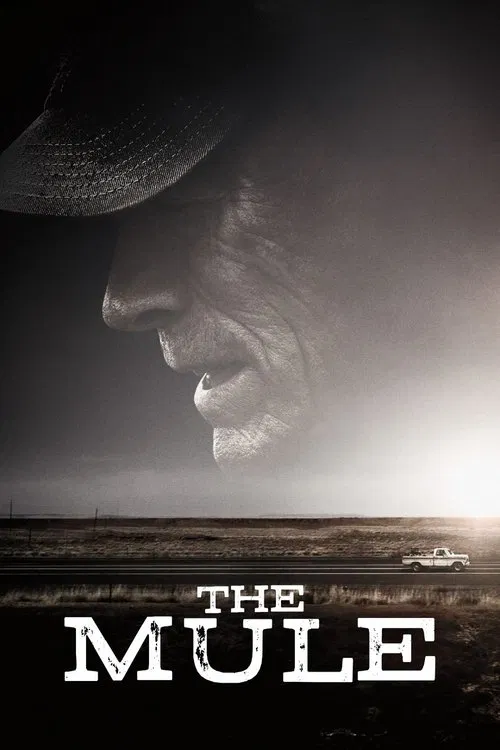
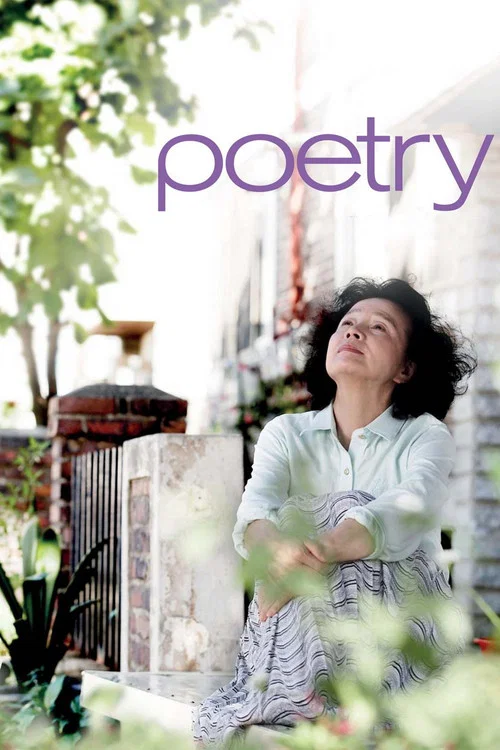
Films that share techniques with Splendor in the Grass include Birth (2004), Bright Star (2009), The Mule (2018), Poetry (2010).