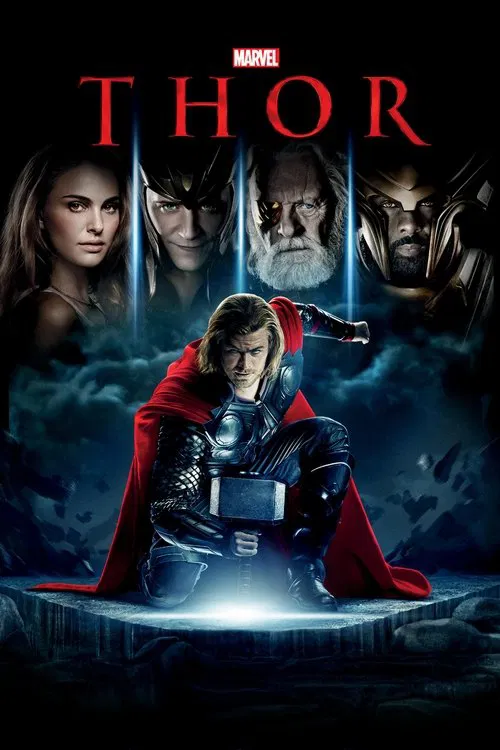
The arrogant god Thor is stripped of his powers and banished from Asgard to a small town in New Mexico, while his adopted brother Loki schemes for the throne. Branagh, who spent his career on Shakespeare, treats a comic book story as a royal family tragedy, and that is what to watch for.
Thor is a 2011 fantasy, action and adventure film directed by Kenneth Branagh. This breakdown covers 5 techniques (3 narrative, 1 cinematography and 1 psychology), each with the scene where you can see it. If you like how it is made, The BFG uses several of the same techniques.
Dropping a character into a world whose social rules they don't understand. The comedy, and some insight too, comes from the constant mismatch between them and everyone around them.
How this film uses it
A god who thinks he rules the universe lands in a desert town, where nobody bows to him. His old habits clash with ordinary life, and the jokes come from that mismatch.
Where to see it
The diner scene: Thor finishes a drink, smashes the mug on the floor and demands another. The waitress and customers stare at him as if he has lost his mind.
Tilting the camera sideways so the horizon runs diagonally across the frame. The crooked picture makes a scene feel unstable, uneasy or morally off.
How this film uses it
Branagh tilts the camera over and over, especially in Asgard's throne room and in the quarrels between Thor, Loki and Odin. The slanted horizon makes the court feel like it is about to tip over.
Where to see it
Thor's coronation: the ceremony is interrupted when frost giants break into Asgard. The camera leans in the tense talk afterward, as Thor argues for war.
Building a fictional world with its own consistent rules, history, culture and visual detail. It feels like the world keeps going beyond what you see on screen.
How this film uses it
Asgard has a golden skyline, a rainbow bridge that works as a portal, and its own rules of honor. The golden city and the icy home of the frost giants show you two different cultures without a speech.
Where to see it
The Bifrost: Heimdall stands at the observatory at the end of a glowing bridge and opens a gateway between the realms with his sword.
Pairing the main character with a second character who mirrors them. The double shows what the hero wants, fears or secretly is.
How this film uses it
Loki is the opposite of Thor. Thor charges in with a hammer, while Loki works with lies and tricks. Each brother shows what the other lacks, and both want their father's approval.
Where to see it
Loki and Odin: after Thor is banished, Odin collapses into his deep sleep, and Loki sits on the throne he has always wanted.
Building the plot around siblings competing for a ruler's approval and throne. Court scenes and family arguments carry the stakes, so the story plays like a stage tragedy.
How this film uses it
The big fights in Thor are about who deserves to be king. Odin's disappointment, Loki's envy and Thor's pride drive almost every choice. You care about the hammer fights because the family is breaking apart.
Where to see it
The banishment: after the battle on Jotunheim, Odin takes Thor's power and sends him to Earth through the Bifrost.
Questions
Thor: quick answers
What filmmaking techniques does Thor use?
CineCode breaks down 5 techniques in Thor (2011): Fish-Out-of-Water Comedy, Dutch Angle, Secondary World Construction, Psychological Doubling and Succession Rivalry Drama.
Who directed Thor?
Kenneth Branagh directed Thor, released in 2011. CineCode also covers Belfast (2021).
What films are similar to Thor?
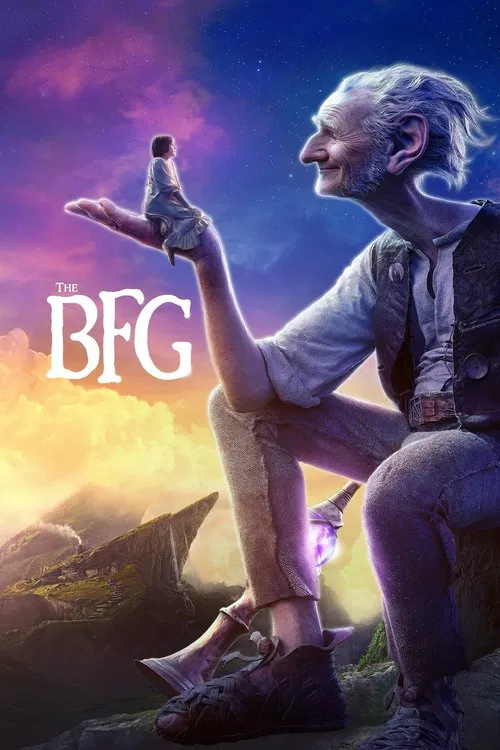
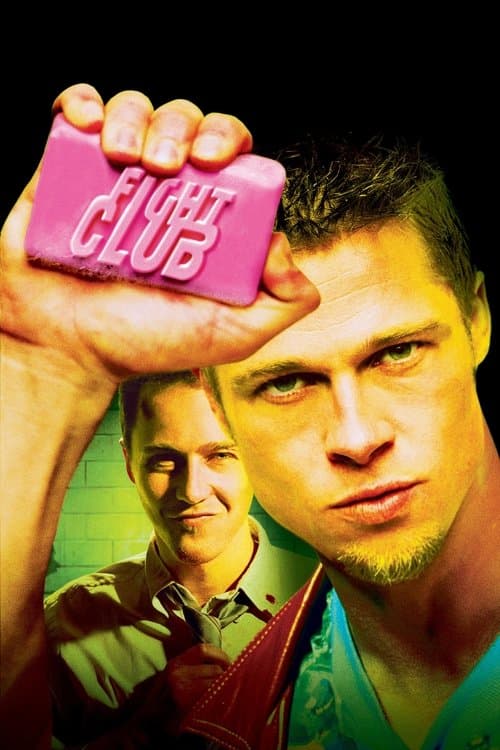
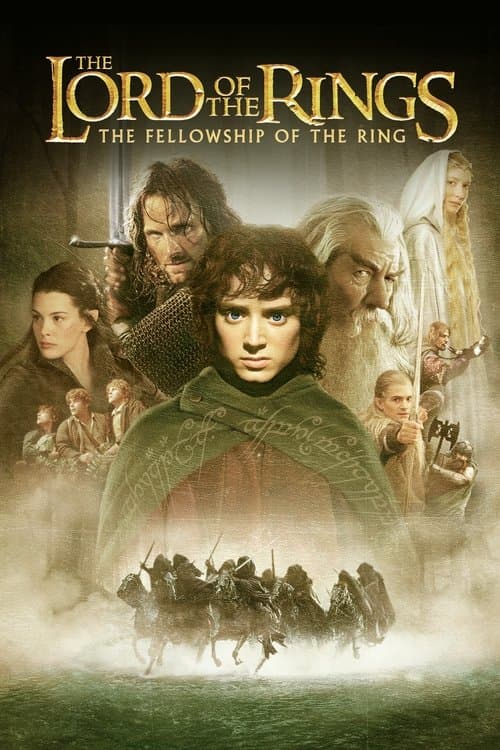
Films that share techniques with Thor include The BFG (2016), Black Swan (2010), Fight Club (1999), The Lord of the Rings: The Fellowship of the Ring (2001).